 Yorimichi Games
How to play Mawari Shogi
Mawari Shogi is a race game that Japanese families play with an ordinary shogi set. The name means “going-around shogi”. Instead of dice you toss four gold generals, add up how they land, and move your piece that many squares around the outer edge of the board. Each time your piece completes a lap it is promoted to a stronger piece: pawn, lance, knight, silver, bishop, rook and finally king. The first player to take a king all the way around wins.
You do not need to know how shogi pieces move. If you can count, you can play, which is why many Japanese players met this game long before they learned real shogi. There has never been an official rulebook, so every region and household plays a little differently. This version uses the most common rules as its standard, and you can switch individual rules on or off in the settings.
The board and which way you go

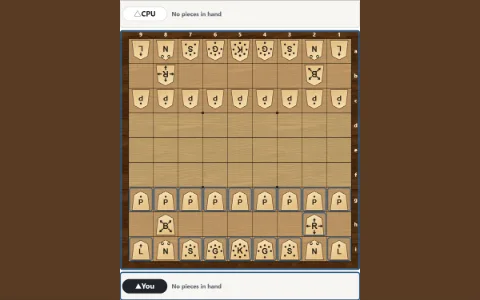
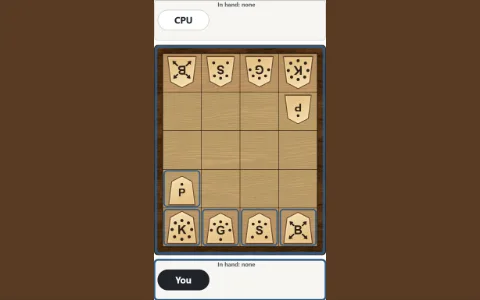
Everyone begins with a pawn in a corner of the board. With two players you start in opposite corners; with three or four, the other corners are used too. The outer ring of a 9×9 board has exactly 32 squares, so a full lap brings you back to your own corner. On this screen your piece starts in the bottom right corner and moves up the right-hand side.
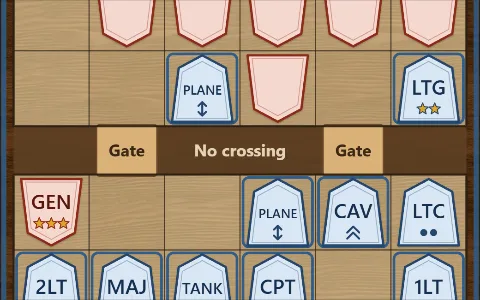
If you choose letter pieces in the settings, each piece shows a capital letter (P, L, N, S, B, R, K) instead of a kanji character, plus small dots and arrows. Those marks show how the piece moves in real shogi. Mawari Shogi does not use those moves, but the letter pieces make the promotion order easy to follow and give you a head start if you later try the full game.
Throwing the gold generals
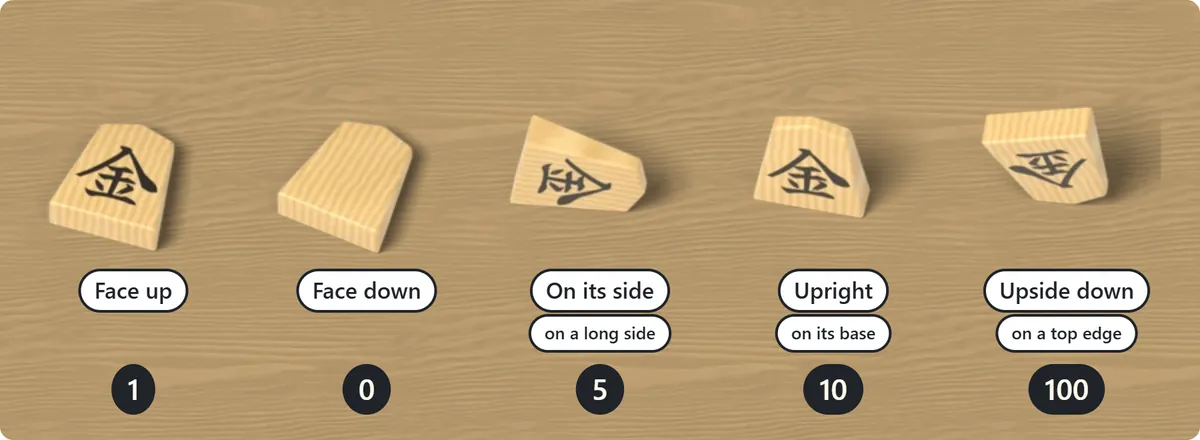
Toss all four golds onto the board at once and add up their scores. A gold lying with its character facing up is worth 1, and one lying face down on its blank back is worth 0. Every so often a piece stands up. Standing sideways on one of its long side edges is worth 5. Standing upright on its flat base is worth 10. Standing upside down on one of the slanted edges near the point is worth 100, a jackpot you may see only once in many games.
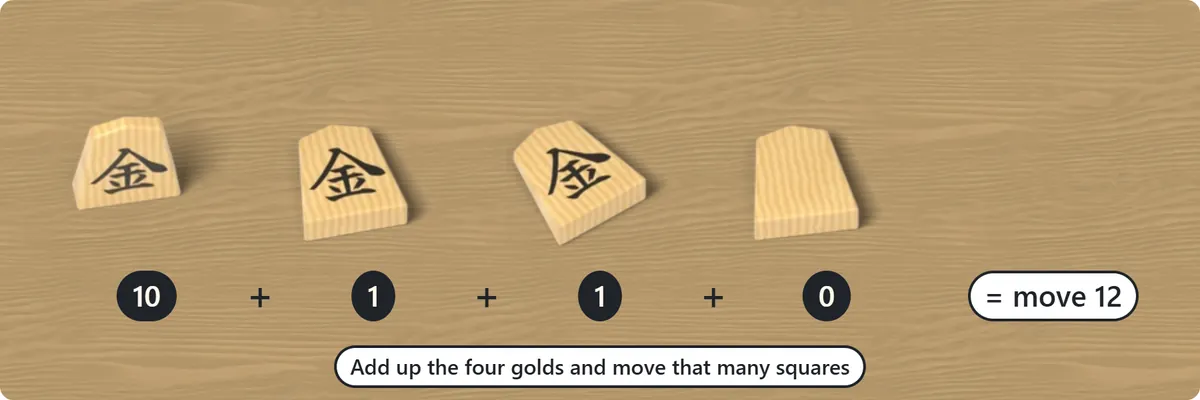
Two special results are worth remembering. If all four golds land face down, you move 20 squares instead of zero. If all four land face up, you move 4 squares and throw again.
Golds that land on each other or fall off
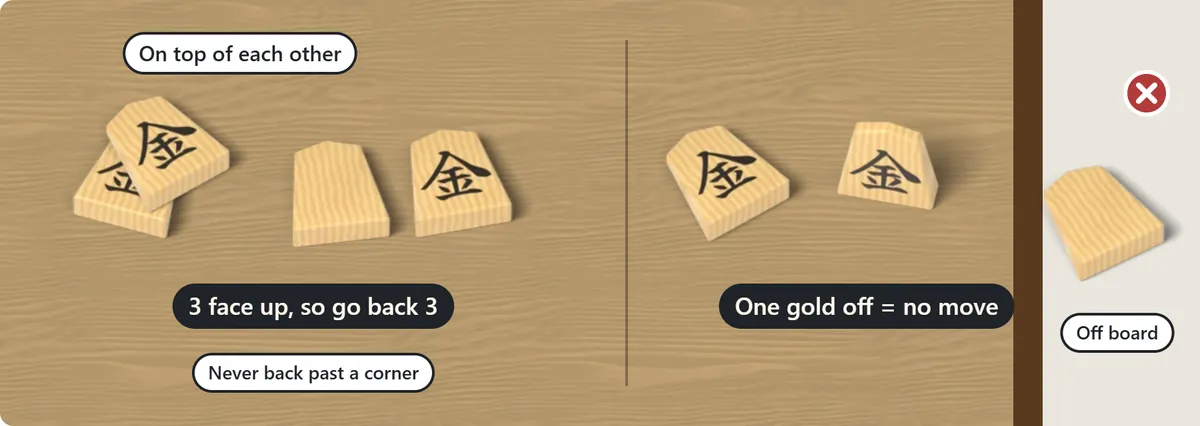
Throwing is a small skill game of its own. If two golds end up stacked on each other, you move backward by the score you threw instead of forward. You never go back past a corner, though: a piece that reaches a corner while going back stops there, and a piece already on a corner stays put. If any gold falls off the board, the throw does not count and play passes to the next player.
Promotion: pawn to king, one lap at a time
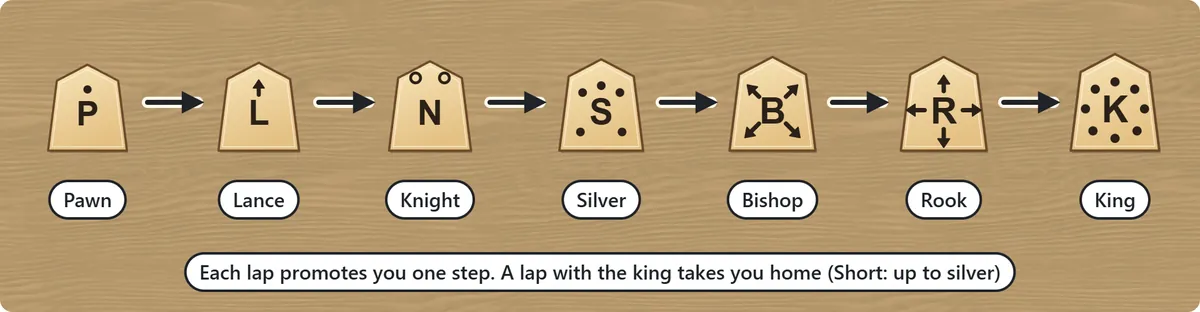
When your piece returns to or passes your home corner, you swap it for the next piece up the ladder: pawn, lance, knight, silver, bishop, rook, king. Take the king around once more and you are home, which ends the game. Other players are ranked by how far up the ladder they got. If a big throw carries you around twice, you promote twice. The Short length finishes after a lap with the silver, which suits younger players or a quick game.
Land exactly on another corner to jump ahead
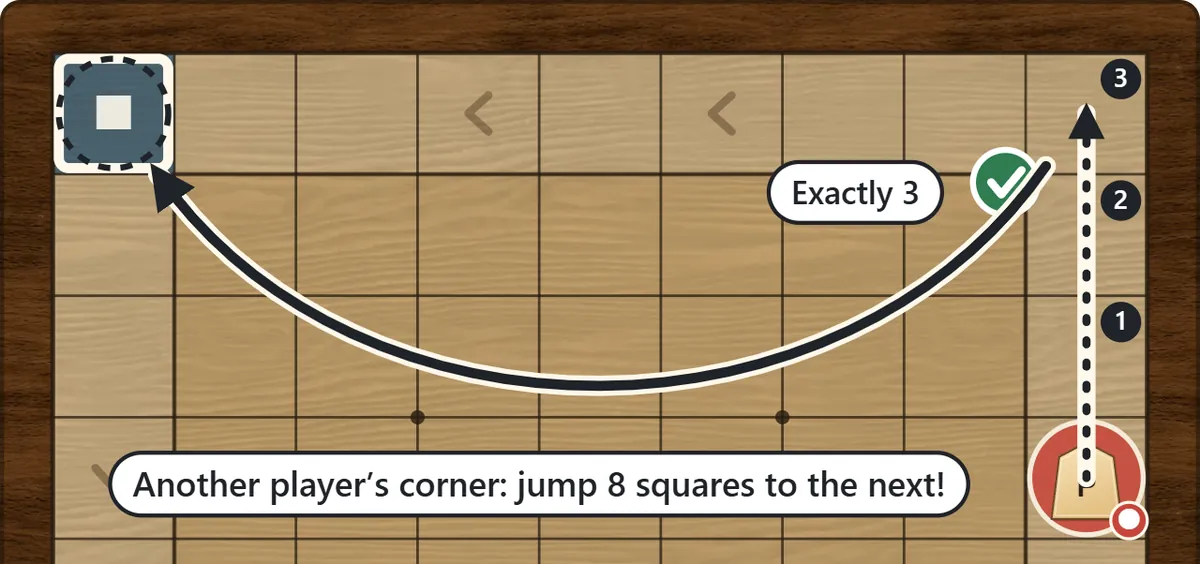
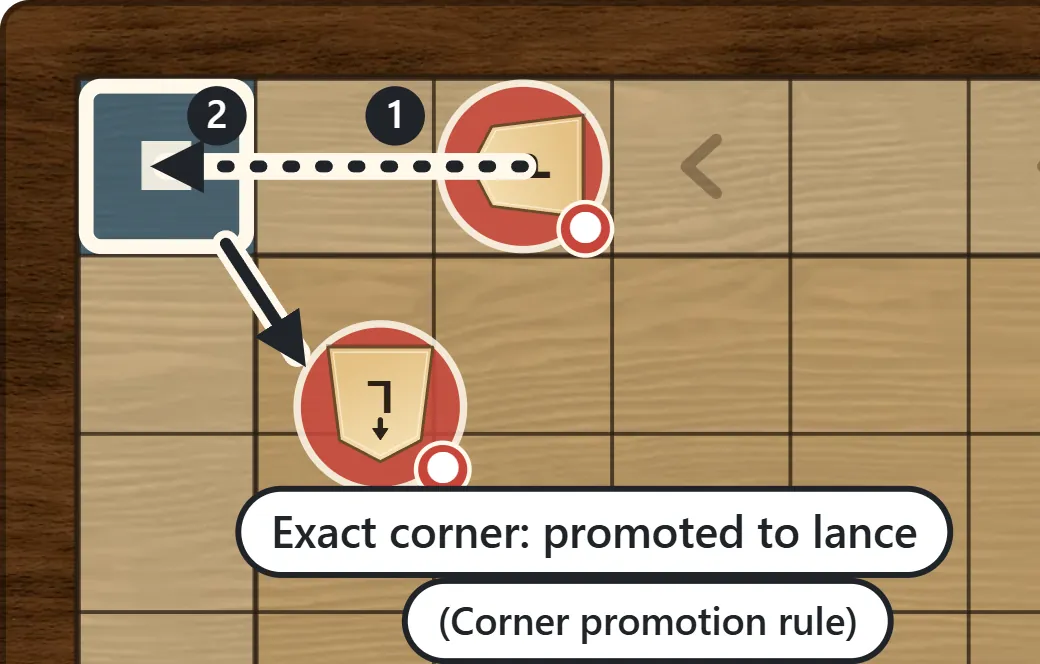
Passing a corner is not enough: the throw has to end exactly on it. If the corner you jump to is your own home corner, you are promoted as well.
Onbu: riding piggyback
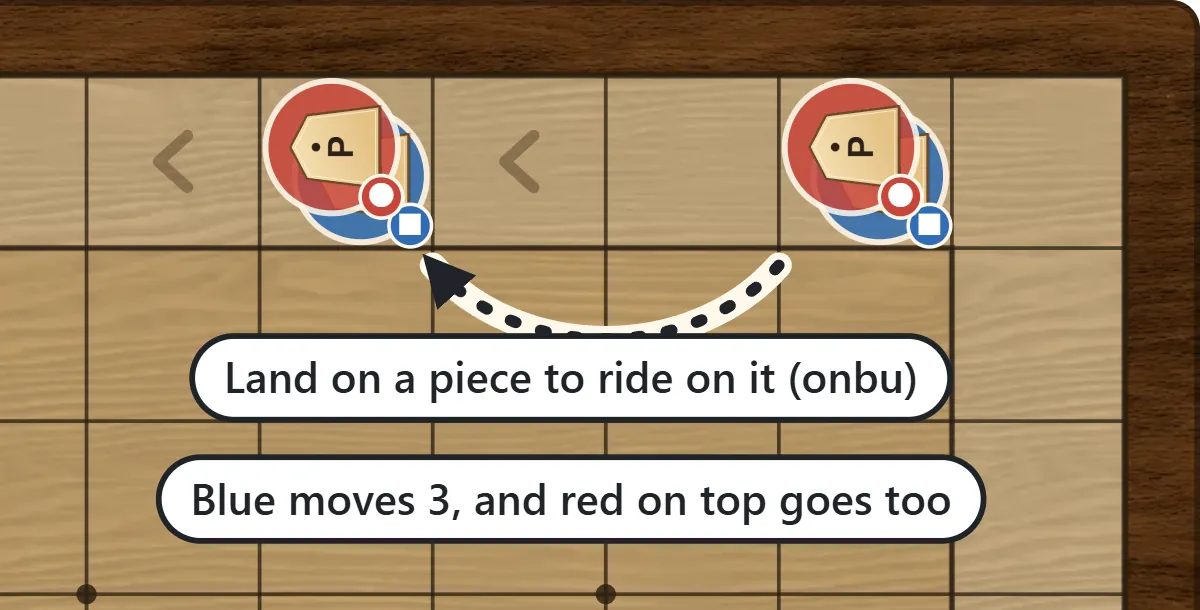
Onbu is the Japanese word for carrying a child on your back. A piece on top gets a free ride whenever the piece underneath moves forward, but it also gets dragged back if that player’s golds land on each other. On your own turn you simply move off with your own throw. If you are carried past your home corner, you still get promoted.
Gentle, Normal or Hard: how to throw
With real golds, the way you throw changes how often they stand up. In this game you choose one of three throws every turn:
| Throw | What to expect |
|---|---|
| Gentle | Golds rarely stand up, but they seldom land on each other or fall off. Small scores of 1–4 are common |
| Normal | In between. Golds stand up now and then |
| Hard | Golds stand up more often, but they also land on each other or fall off the board more often |
The average distance per turn is about the same for all three. What matters is picking the throw that suits where your piece is right now, as the tips below explain.
Mawari Shogi rules and variations
Because the game was passed down by word of mouth, you will meet many house rules. You can choose between two sets here, or pick Custom and switch rules one by one.
| Rule | Standard | Corner promotion |
|---|---|---|
| When you promote | Every lap | Every exact landing on a corner |
| Exact landing on another corner | Jump to the next corner | Promote (no jump) |
| Golds land on each other | Go back by the score | No move |
| A gold falls off | No move | No move |
| All face down / all face up | 20 squares / 4 and throw again | 20 squares / 4 and throw again |
| Onbu (piggyback) | Yes | No |
Custom adds a few more rules that are common in Japanese homes: a piece overtaken by a higher-ranked piece misses a turn (unless it is sitting on a corner), dropping a gold off the board costs you your next turn, you must land exactly on your home corner to finish, and an upside-down gold scores 20 instead of 100. Try them until the game feels like the one you grew up with, or invent your own family version.
Mawari Shogi strategy and tips
Luck decides a lot, but your choice of throw still makes a difference over a whole game.
1. Throw gently just before a corner
When the next corner is 1 to 4 squares away, a Gentle throw gives you the best chance of landing exactly on it. Under the standard rules that exact landing jumps you 8 squares ahead.
2. Throw hard right after a corner
A backward move never takes you past a corner. If you have only just passed one, the most you can lose is a few squares, so it is a good moment to throw hard and hope for a gold to stand up.
3. Be bold on a corner
While you stand on a corner, golds landing on each other cannot move you back at all. There is nothing to lose, so go for a big score.
4. Think before you climb on someone
Landing on a piece that is ahead of you in the race means it will carry you forward on its own turns. On the other hand, if someone behind you climbs on your back, you are the one giving the ride.
5. Count carefully with Corner promotion
With the Corner promotion rules, landing exactly on corners is everything. Throw hard while the next corner is far away, then switch to gentle throws as you get close.
6. Never give up
A single upside-down gold is worth 100 squares, which is three promotions in one throw. Big swings of luck are part of the fun, so the game is not over until someone is home.
Mawari Shogi FAQ
Do I need to know shogi to play?
No. Pieces never use their shogi moves here; they just travel around the edge by the number you throw. Many players learn the names of the pieces through this game and only later learn how they move in real shogi.
How strong are the CPU levels?
The game is mostly luck. Hard picks its throw to suit its position, so it feels a little tougher to beat. Normal chooses its throws more casually, and Easy is a relaxed opponent for a first game.
Can friends or family play on one device?
Yes. Choose “Pass and play (one device)” and two to four people take turns on the same screen. Press a throw button when your turn comes.
Can I play with a real shogi set?
Yes. You need the four gold generals, one pawn per player, and the pieces for promotion. A shogi set has only two bishops, two rooks and two kings, so with four players use something else for the higher pieces or play the Short length. Throwing the golds from low above the board keeps them from falling off.
What if I don’t know the kanji on the pieces?
Choose “Letters with move marks” under Piece style. The letters follow the usual English shogi notation, so you can also use them if you move on to real shogi. The gold generals you throw keep their traditional look; all you need is to tell the side with the character from the blank back.
Can I stop and continue later?
Yes. Open the page again in the same browser on the same device and press Continue.
Is there sound?
Sound starts off. Press “Sound: off” below the board to hear the golds and pieces.
What is Mawari Shogi?
Mawari Shogi is also known by names such as kin-korogashi, “rolling the golds”. It is said to go back a long way: descriptions of games like it appear in Edo-period essays and in Meiji-era books of children’s games. Since it was handed down from child to child rather than written down, the scoring of the golds, the promotion ladder and the corner rules all vary by region and by family. Comparing house rules is part of the fun, and for many people in Japan it was the first thing they ever did with a shogi set, long before they played a real game of shogi.