 Yorimichi Games
How to play the Flag Quiz
This is a free flags of the world quiz. A flag appears and you pick the country it belongs to from four choices. Two more question types turn it around: find the right flag for a country, or name a country’s capital city. It is a single-player game that runs in your browser, with nothing to install and no account to make. Every answer, right or wrong, can teach you something, because the quiz shows the country’s capital, its region and a short description of the flag whenever you slip.
Guess the country from the flag
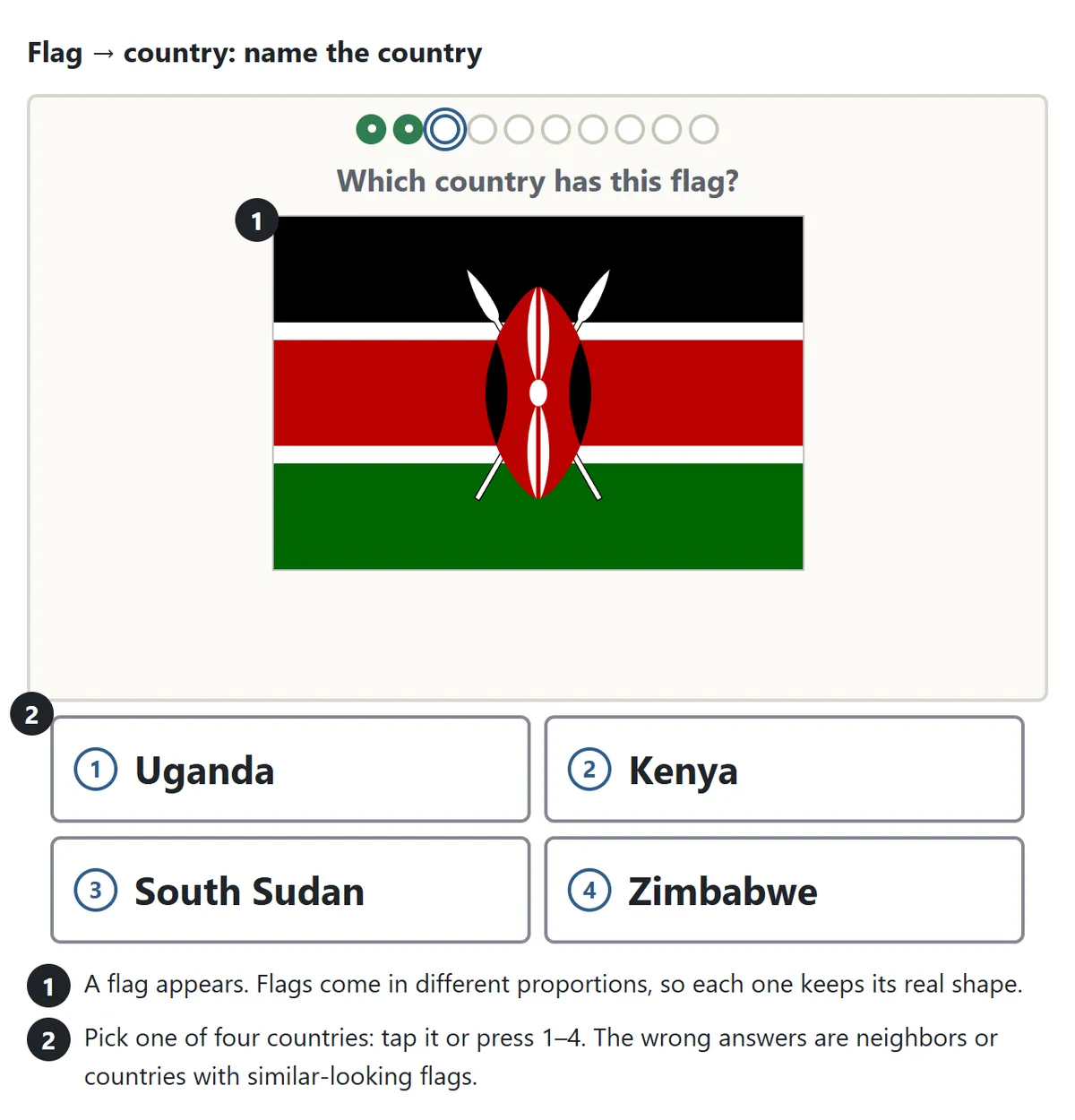
A flag appears on the card, and you choose the country from four buttons; on a computer the 1–4 keys work too. The wrong answers are picked on purpose. They come from the same part of the world, or they share colors and layout with the right flag. For Kenya’s flag, for example, you might see Uganda and South Sudan, which also use black, red and green. Telling apart flags that really are similar is what makes the knowledge stick.
Find the flag for a country
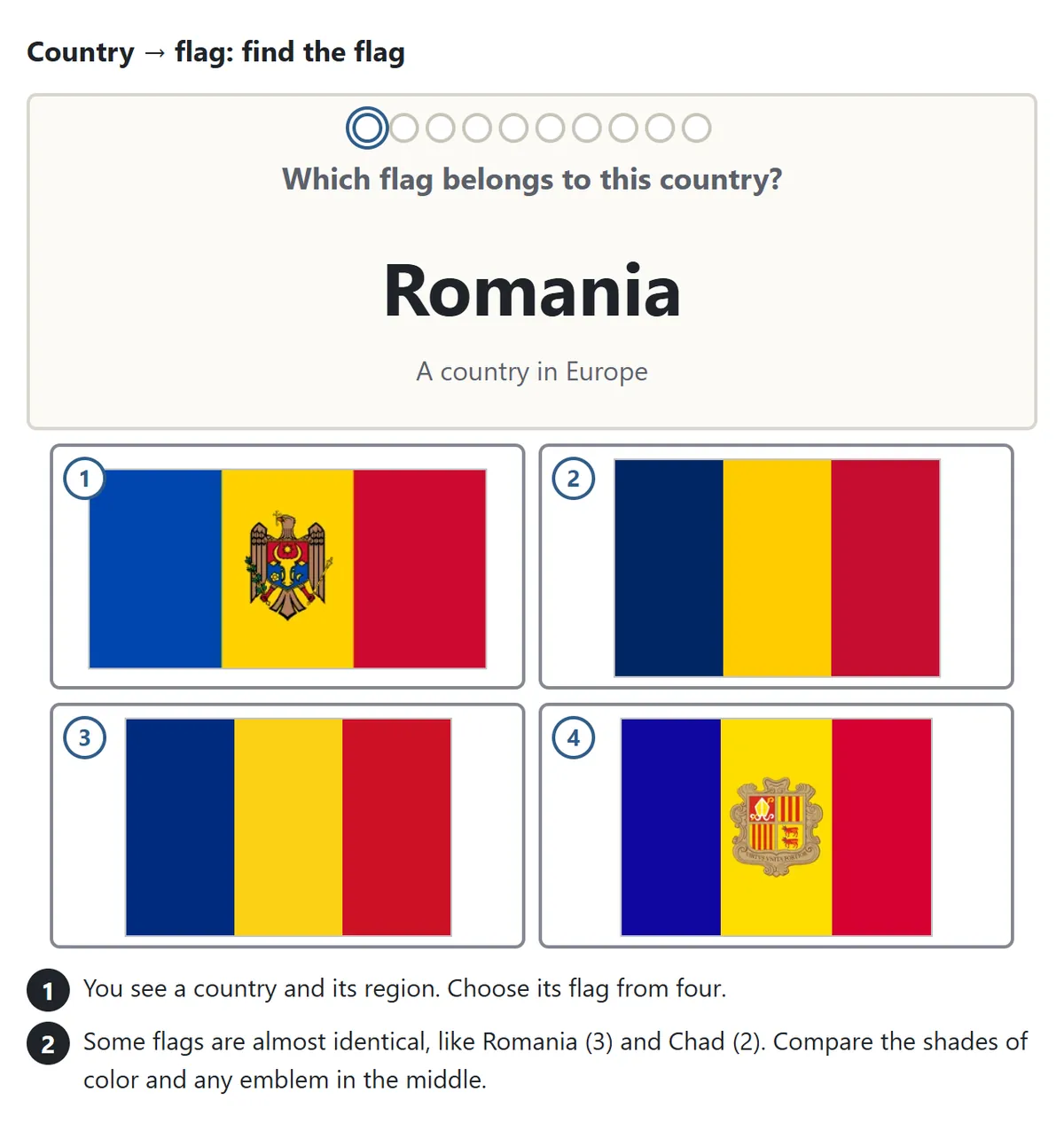
In Country → flag you see a country name and its region, and you pick its flag from four. Flags come in many different proportions, so each button shows the flag in its real shape inside the same frame. This mode is a good test of whether you remember the details, not just the colors.
Name the capital city
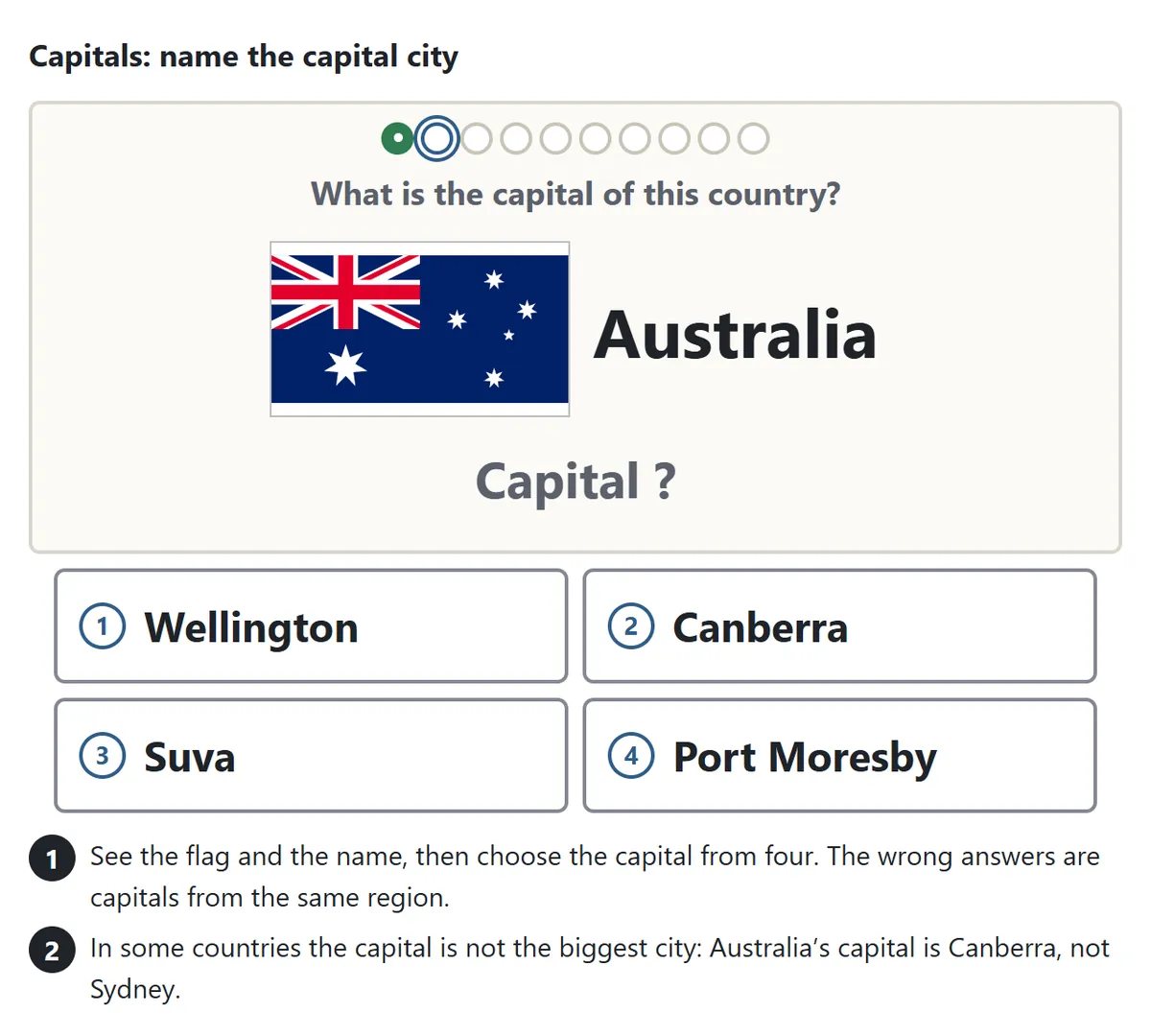
In Capitals you see the flag and the country name and choose the capital city. The wrong answers are capitals from the same region, so Australia’s question might offer Wellington, Suva and Port Moresby alongside Canberra. A few countries are left out of the capital questions because the capital is disputed internationally (Israel), was only just moved (Equatorial Guinea), or because the whole country is a single city (Singapore, Monaco and Vatican City). Their fact cards still explain the situation.
When you get one wrong
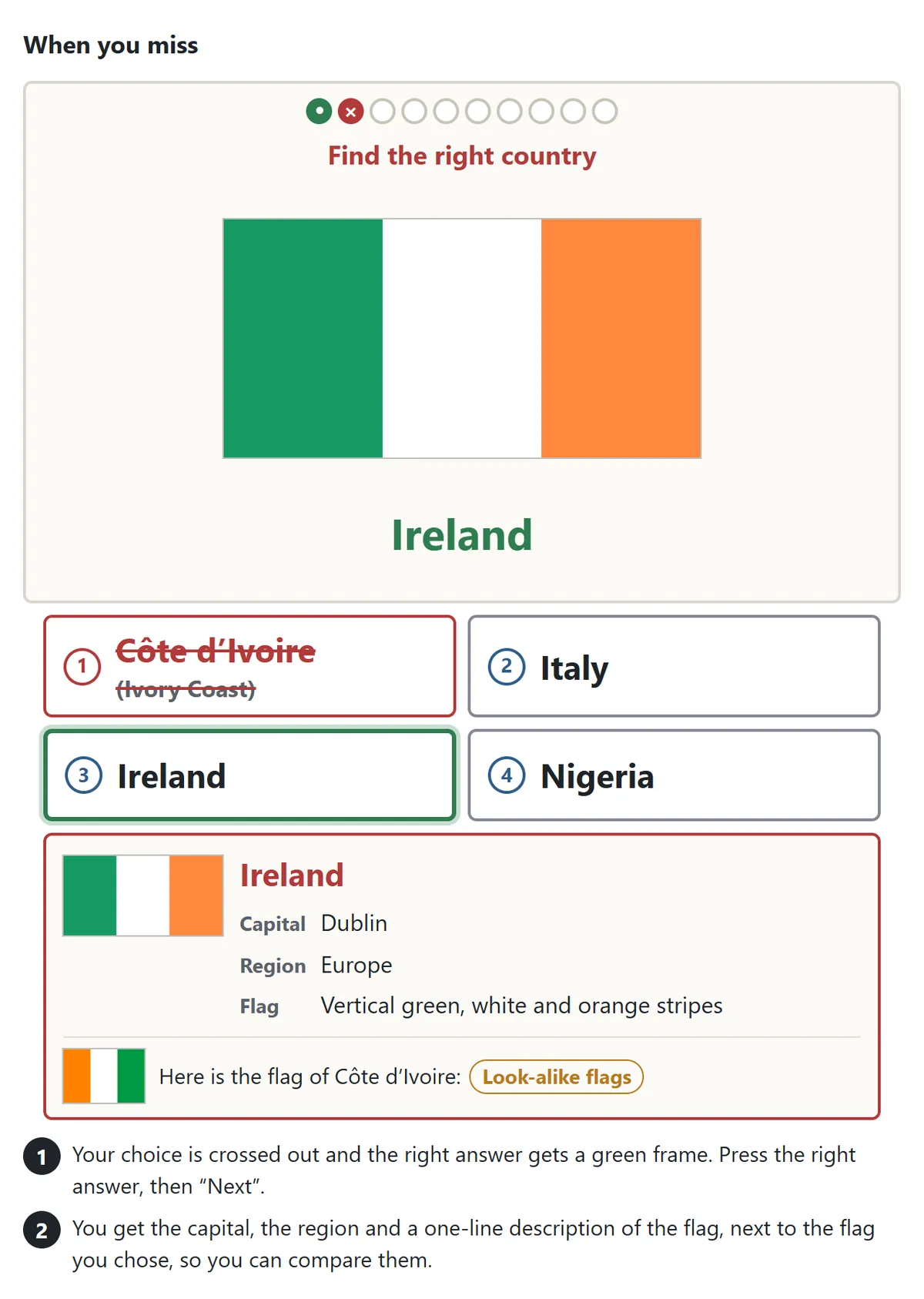
A wrong answer is crossed out and the right one gets a green frame. A fact card appears with the right country’s name, official name, capital, region and a one-line description of its flag. The flag you picked is shown beside it so you can compare the two, and pairs that are famously easy to mix up, such as Chad and Romania or Ireland and Côte d’Ivoire, are marked Look-alike flags. Press the right answer and then Next to continue. When the round is over, the questions you missed, and any where you used a hint, come back once more until you get them all.
Game modes
| Mode | What you play | What is saved |
|---|---|---|
| Practice | Choose the question type (flag → country, country → flag or capitals), the countries and 10, 20 or all questions | Rounds played and perfect rounds, for each type and set of countries |
| Daily 10 | Ten questions chosen by the date, from all countries. Everyone gets the same set on the same day | Your streak of days for each question type |
| Weak flags | Up to 20 questions you have missed before | How many weak flags are left |
You can play with the Well-known set of 51 countries, with All 195, or with one of five regions. The well-known set mixes large and frequently mentioned countries from every continent, so it is the best place to start. Under the settings you can also see how many flags you have answered right on the first try so far.
Country names and capitals
Country names follow the short English names used by the United Nations, in the everyday form most people use: South Korea rather than Republic of Korea, Russia rather than Russian Federation, Vietnam, Iran and Bolivia. Where a country’s current name is newer than the one many people grew up with, the older name is shown in small type: Türkiye (Turkey), Czechia (Czech Republic), Eswatini (Swaziland), Cabo Verde (Cape Verde), Timor-Leste (East Timor), Côte d’Ivoire (Ivory Coast) and Myanmar (Burma). The two Congos appear as DR Congo and Republic of the Congo. Capitals use the common English spelling, and the fact card adds a note where the situation is unusual: Bolivia’s constitutional capital is Sucre while the government sits in La Paz, the Dutch government works in The Hague although Amsterdam is the capital, and several countries, including Nigeria, Tanzania and Palau, have moved their capital in recent decades.
How the countries are grouped into regions
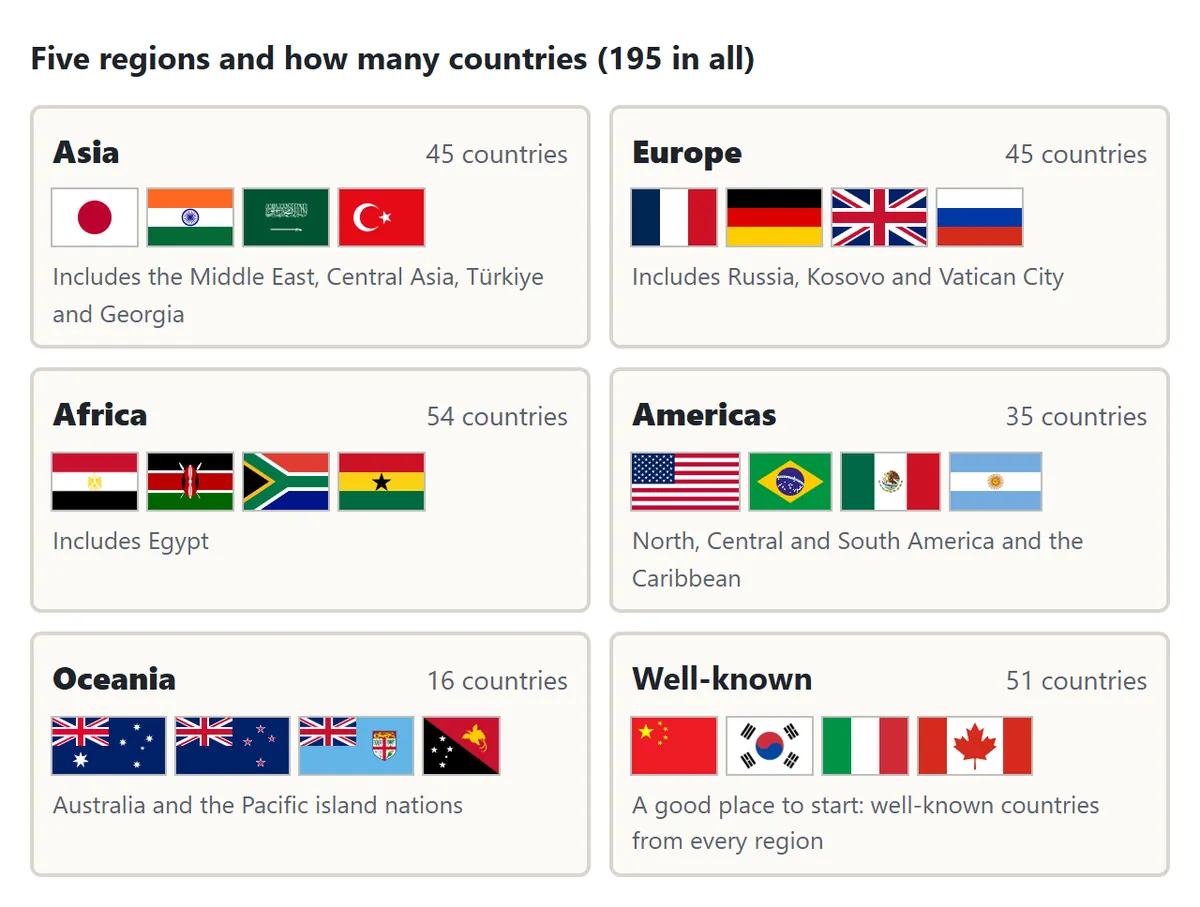
The regions follow the United Nations geoscheme: Asia, Europe, Africa, the Americas (North, Central and South America and the Caribbean) and Oceania. The Middle East and Central Asia count as Asia. A handful of countries straddle two continents or are grouped differently in different atlases:
| Country | Region here | Note |
|---|---|---|
| Russia | Europe | Most of its land is in Asia, but Moscow is on the European side |
| Türkiye, Kazakhstan | Asia | Part of each country lies in Europe |
| Georgia, Armenia, Azerbaijan | Asia | On the border between Asia and Europe |
| Cyprus | Asia | An island in the eastern Mediterranean and a member of the EU |
| Egypt | Africa | The Sinai Peninsula in the east is in Asia |
Why the flags have different shapes
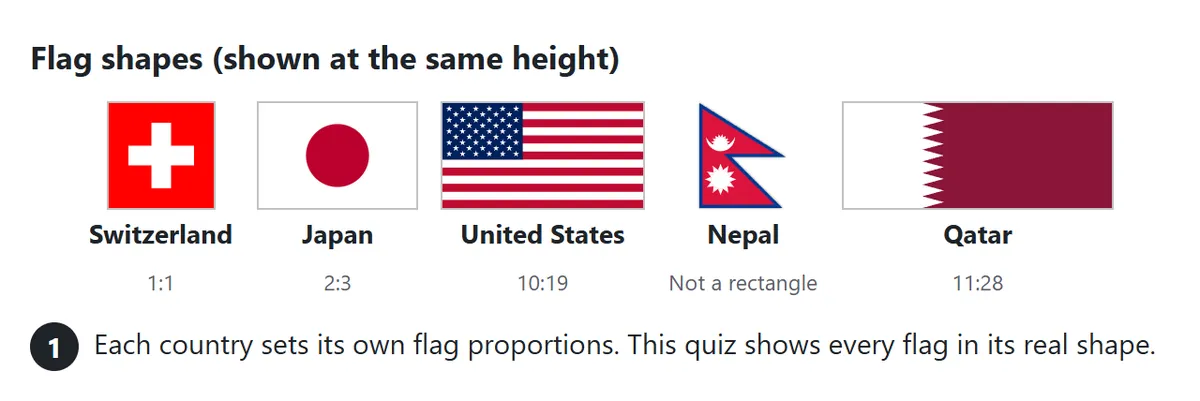
Every country decides the proportions of its own flag. Japan’s is 2:3, the United States uses 10:19, Switzerland and Vatican City are square, Qatar is a very long 11:28, and Nepal’s flag is not a rectangle at all but two stacked pennants. Many books and websites squeeze every flag into the same box, but this quiz shows each flag in its real shape, which is sometimes the best clue you have. The flag images are based on public-domain images from Wikimedia Commons.
Tips for learning the flags of the world
1. Sort flags into families by color
Flags often share colors because of shared history or ideas. Many African flags use red, yellow and green; many Arab flags use red, white, black and green; and the Nordic countries all use an off-center cross. Start by grouping flags into families like these, then look for the one detail that sets each member apart.
2. Learn look-alike flags in pairs
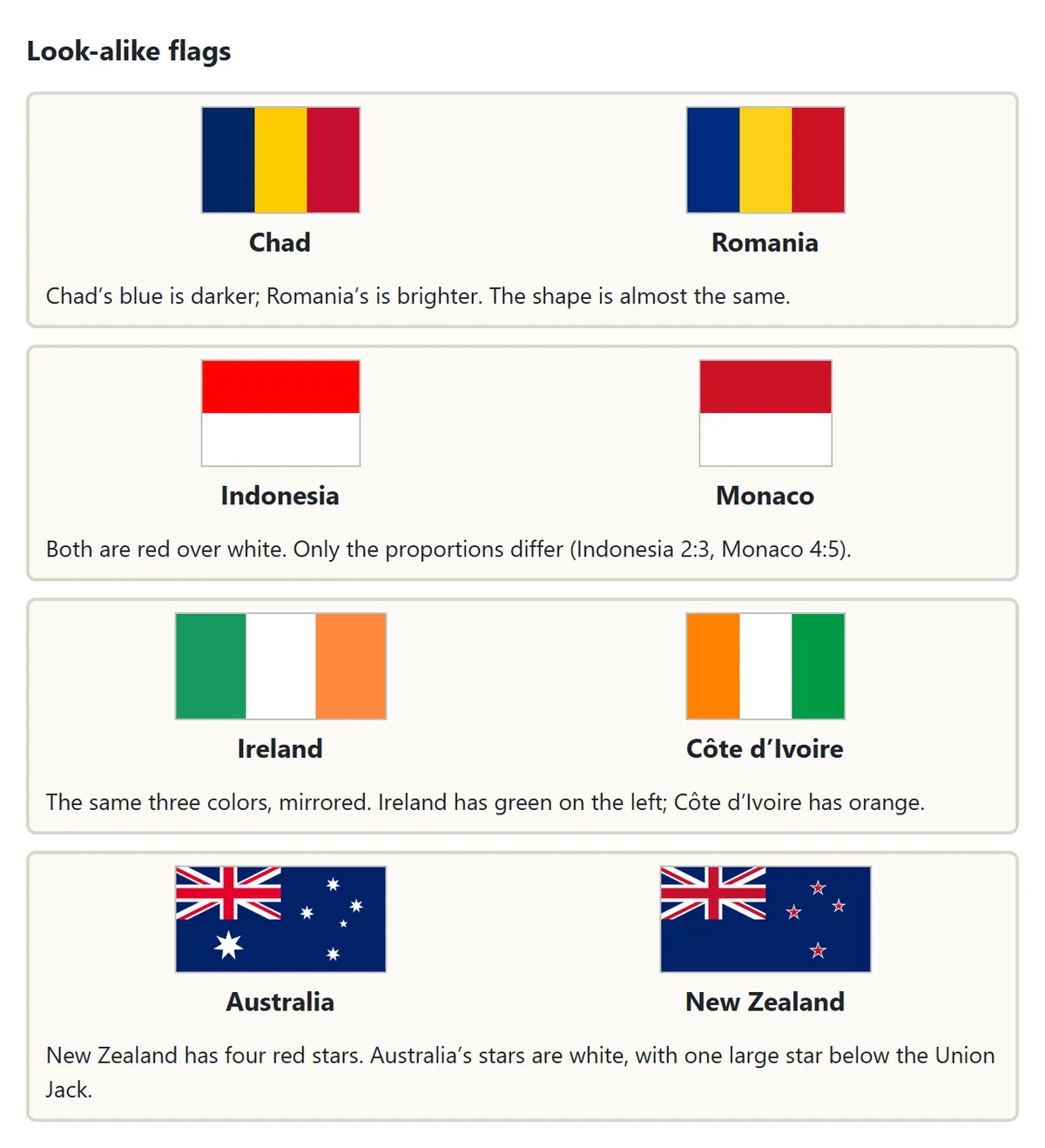
Chad and Romania, Indonesia and Monaco, Ireland and Côte d’Ivoire, Australia and New Zealand: some flags are nearly twins. When the fact card says Look-alike flags, compare the two side by side and choose one difference to remember, such as the color on the hoist side or the number of stars.
3. Work through one region at a time
Trying to learn 195 flags at once is hard. Start with the well-known countries or a single region, so the same flags come up again and again. Keeping a map open beside the quiz helps too, because neighboring countries often have related flags.
4. Learn capitals together with flags
The capital questions show the flag and the country together, which links all three facts in your memory. Pay special attention to countries whose capital is not the largest city: Australia (Canberra), Canada (Ottawa), Türkiye (Ankara) and Brazil (Brasília) catch many people out.
5. Come back to your weak flags
Every question you miss is saved as a weak flag on your device, and it leaves the list once you answer it right on the first try twice in a row. A good routine is to play the Daily 10 each day for new flags and then clear your weak flags from time to time. Questions where you used a hint don’t count as first-try correct, so they come back at the end of the round.
Flag quiz FAQ
How many flags are in the quiz?
There are 195 national flags, split into five regions: 45 in Asia, 45 in Europe, 54 in Africa, 35 in the Americas and 16 in Oceania. You can play all of them, one region, or the 51 well-known countries.
Which flags are the hardest?
Near-identical pairs cause the most mistakes: Chad and Romania, Indonesia and Monaco, Ireland and Côte d’Ivoire, and Australia and New Zealand. Small island nations in the Caribbean and the Pacific are also tricky, simply because they are less familiar.
Why does it say Türkiye and not Turkey?
Türkiye is the name the country asked the United Nations to use in 2022, and it is now the official English short name. Turkey is still widely understood, so it appears next to it in small type. Czechia, Eswatini and Cabo Verde are similar cases.
Is my progress saved?
Yes, on your own device. Your records, weak flags and an unfinished round are stored in your browser, so you can close the page and pick up later with Continue. There is no sign-in, and nothing is sent anywhere.
Does it work on a Chromebook, iPad or phone?
Yes. It runs in any modern browser and every answer can be given by tapping. The flag images are small, and only the flags you need are loaded. Sound effects are off until you turn them on.
A short history of national flags
Flags have long served as signs for armies, ships and ruling families. The idea of one flag standing for a whole nation spread with sea travel, when ships began flying the colors of their home country, and most of today’s national flags were adopted when a country became independent or changed its system of government. That is why so many flags carry stories of independence, religion or landscape in their colors and symbols, and why neighboring countries with a shared past often have similar designs. Japan’s flag, for instance, was fixed by law in 1999 as a red disc on a white field in the proportion 2:3. If a flag catches your eye, its country’s official website or embassy is a good place to read what the colors mean.
Flags of the world by region (195 countries)
All the flags in this quiz, with each country’s capital.
Asia (45 countries)
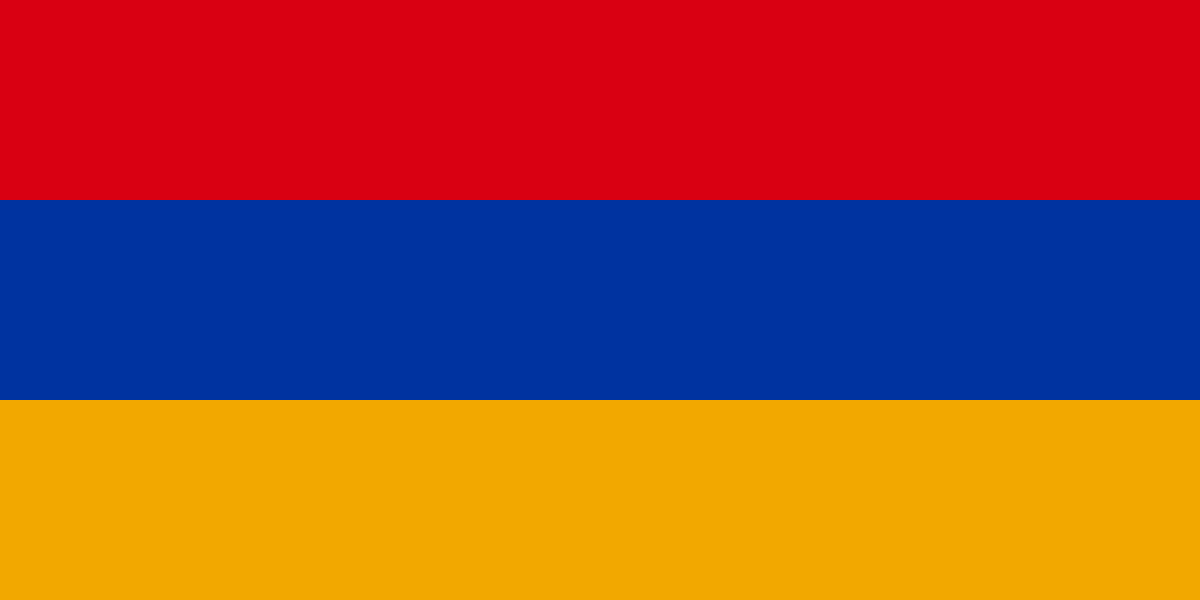 ArmeniaCapital: Yerevan
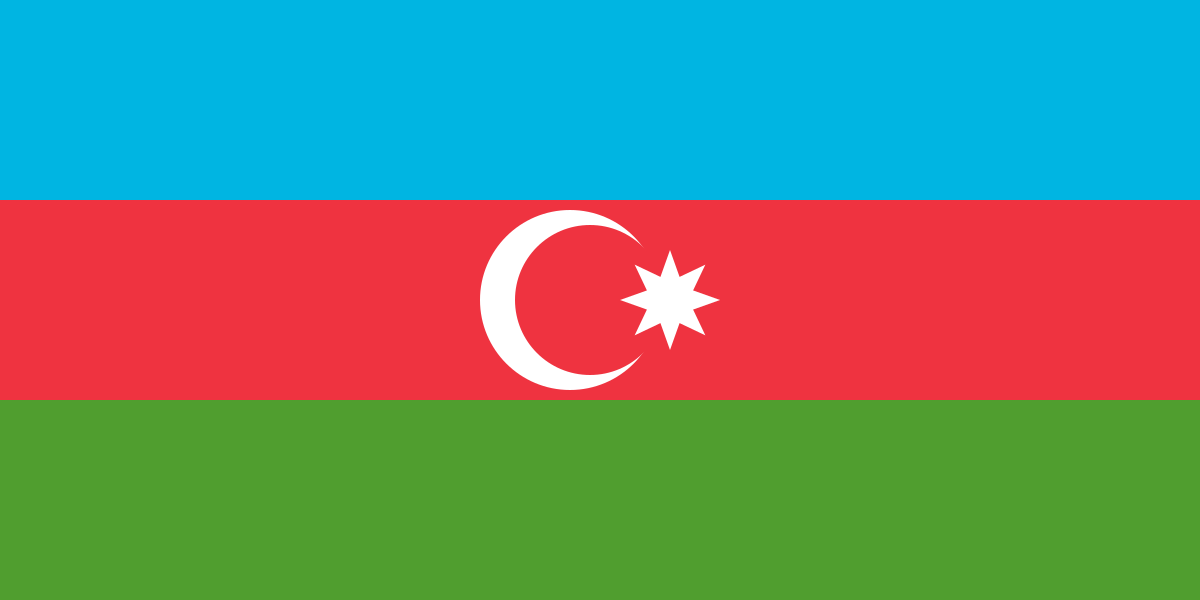 AzerbaijanCapital: Baku
 BahrainCapital: Manama
 BangladeshCapital: Dhaka
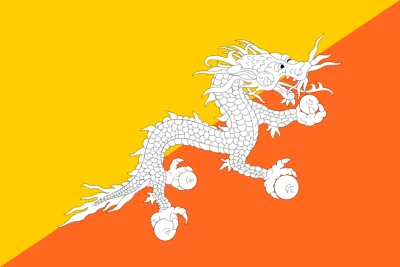 BhutanCapital: Thimphu
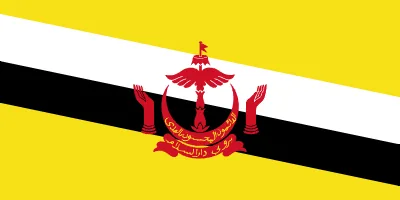 BruneiCapital: Bandar Seri Begawan
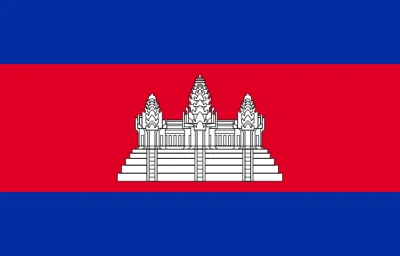 CambodiaCapital: Phnom Penh
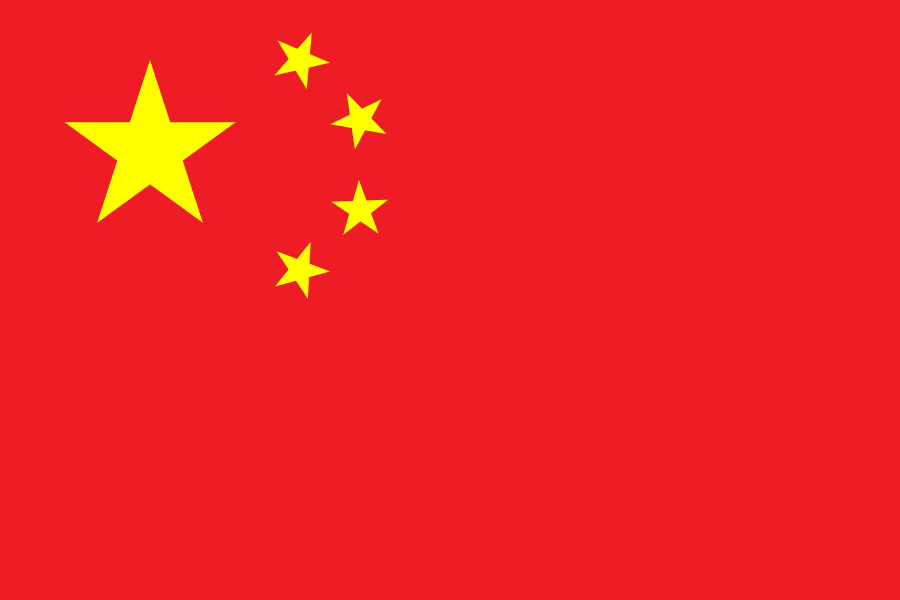 ChinaCapital: Beijing
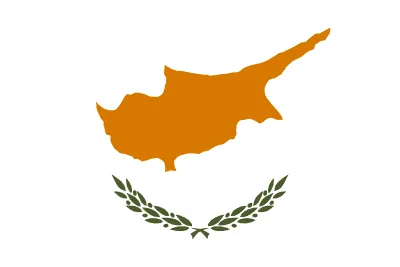 CyprusCapital: Nicosia
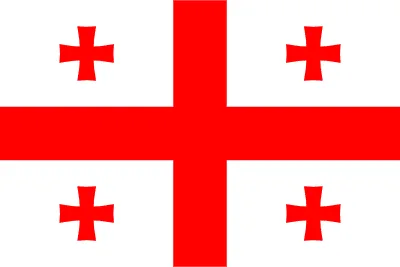 GeorgiaCapital: Tbilisi
 IndiaCapital: New Delhi
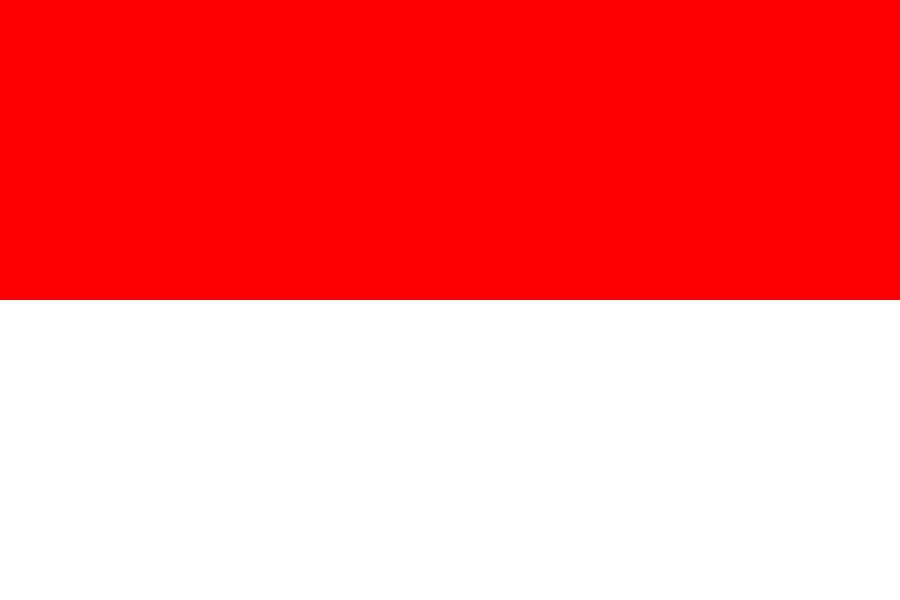 IndonesiaCapital: Jakarta
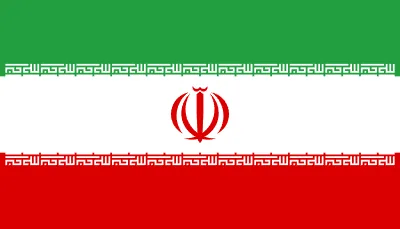 IranCapital: Tehran
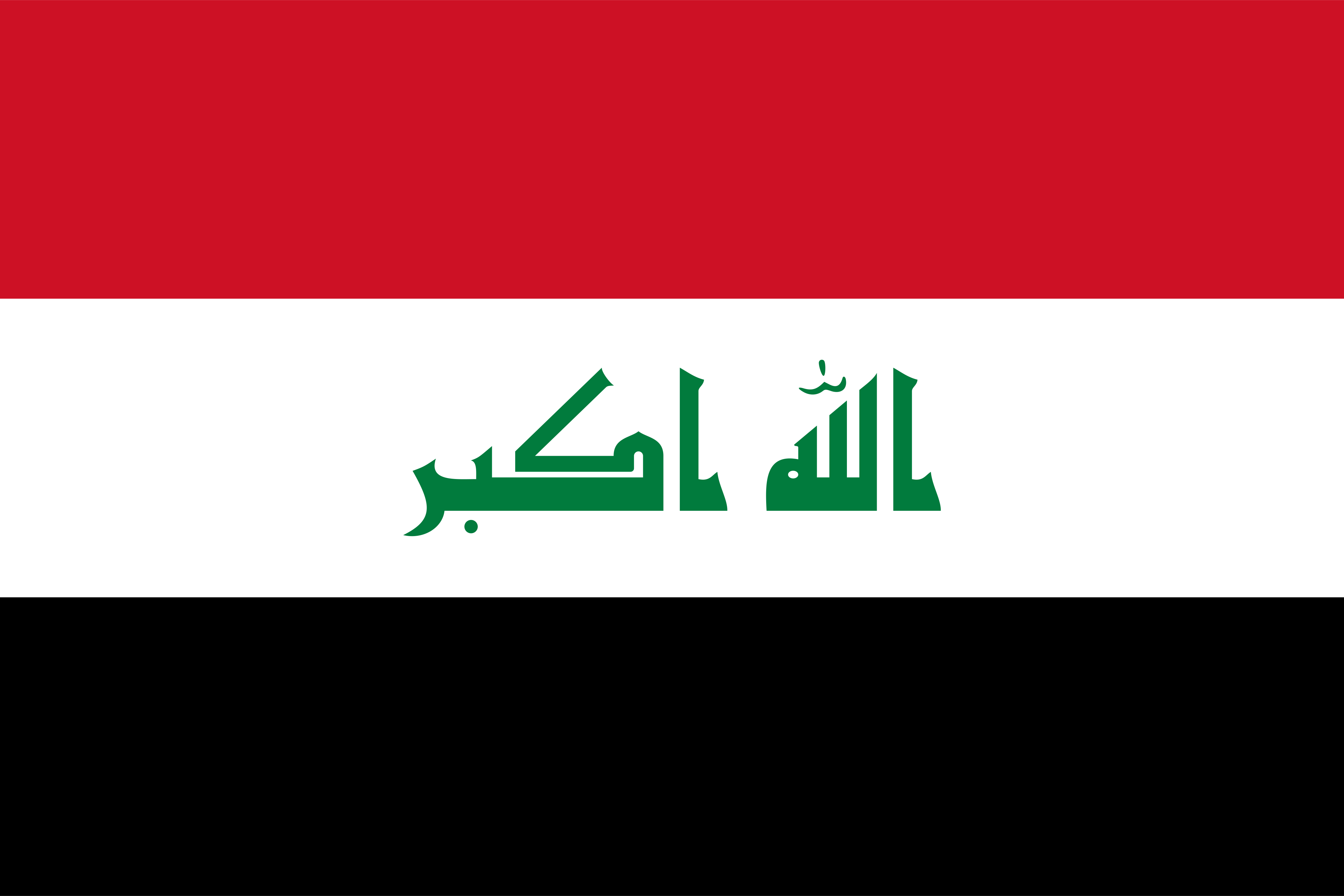 IraqCapital: Baghdad
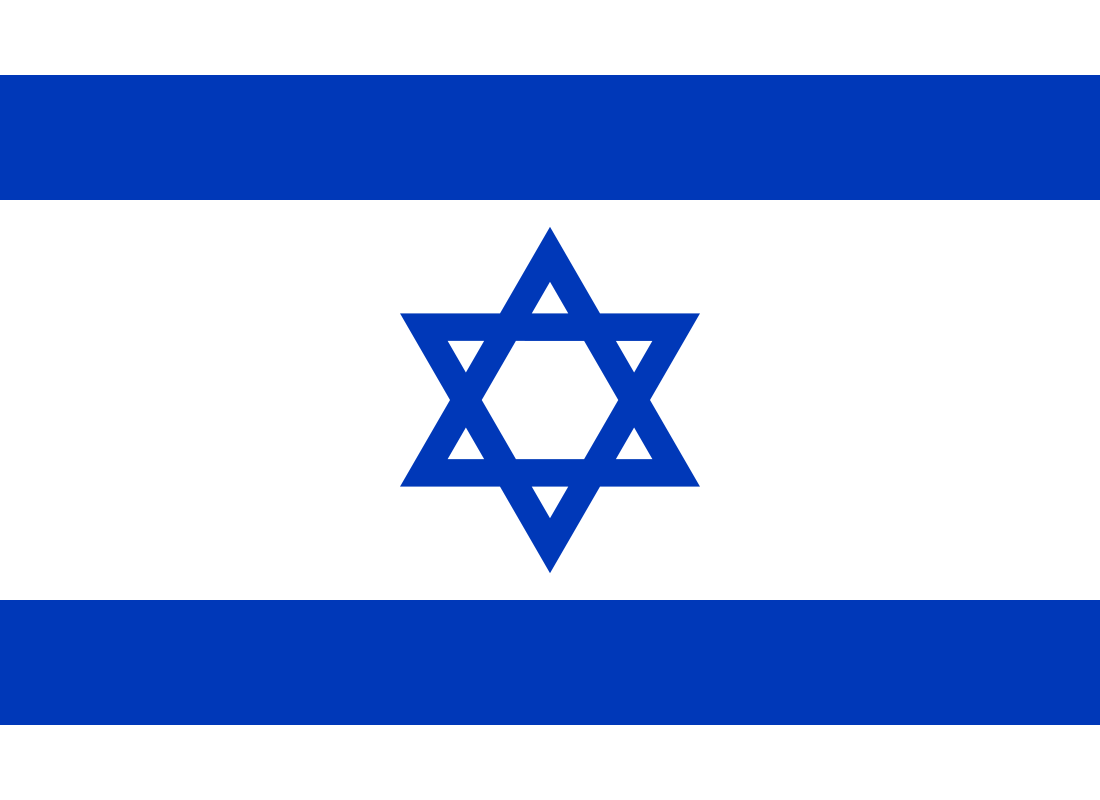 IsraelCapital: Jerusalem (not recognized as the capital by most other countries)
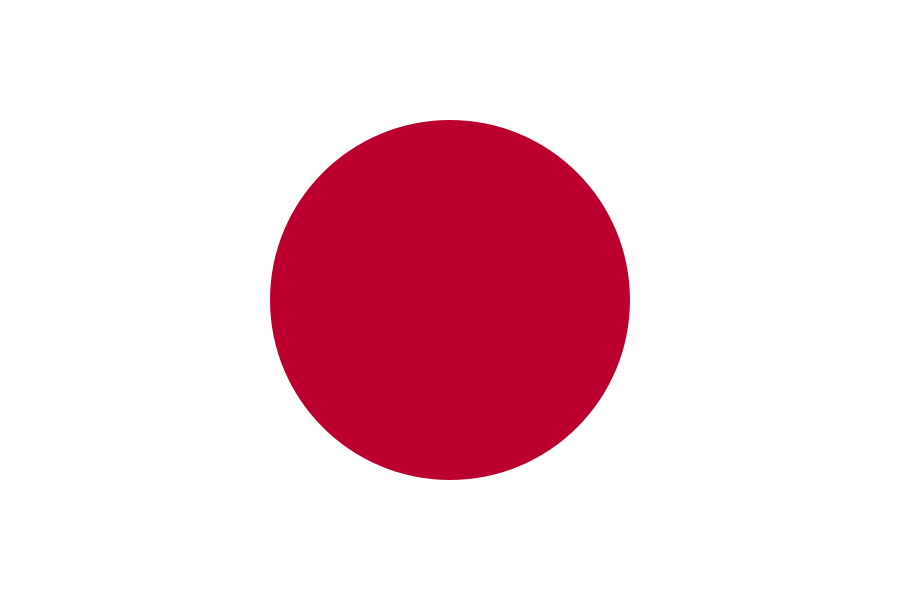 JapanCapital: Tokyo
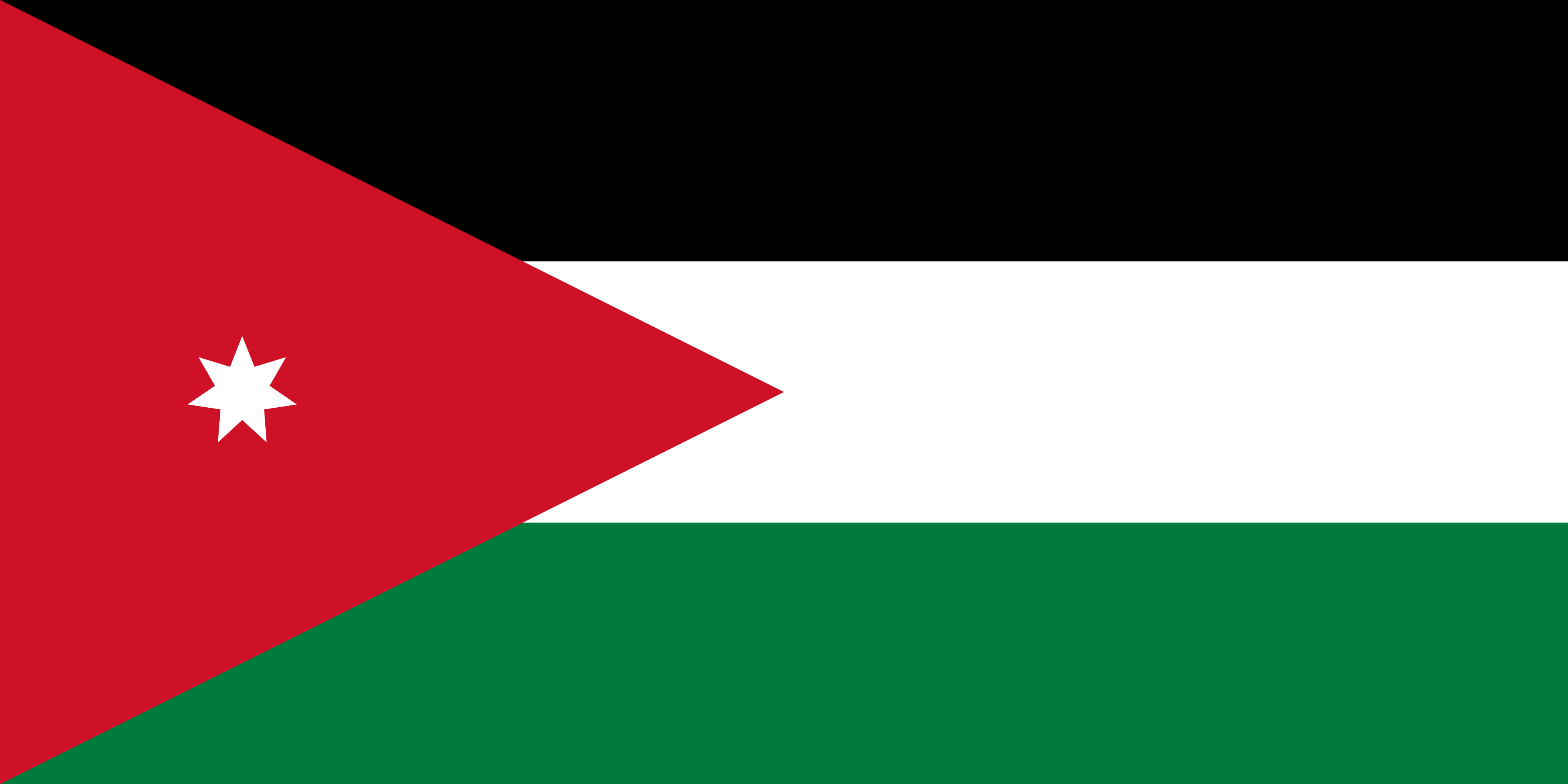 JordanCapital: Amman
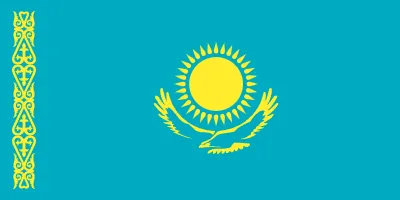 KazakhstanCapital: Astana
 KuwaitCapital: Kuwait City
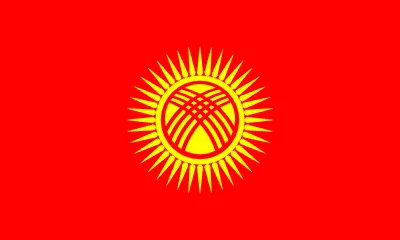 KyrgyzstanCapital: Bishkek
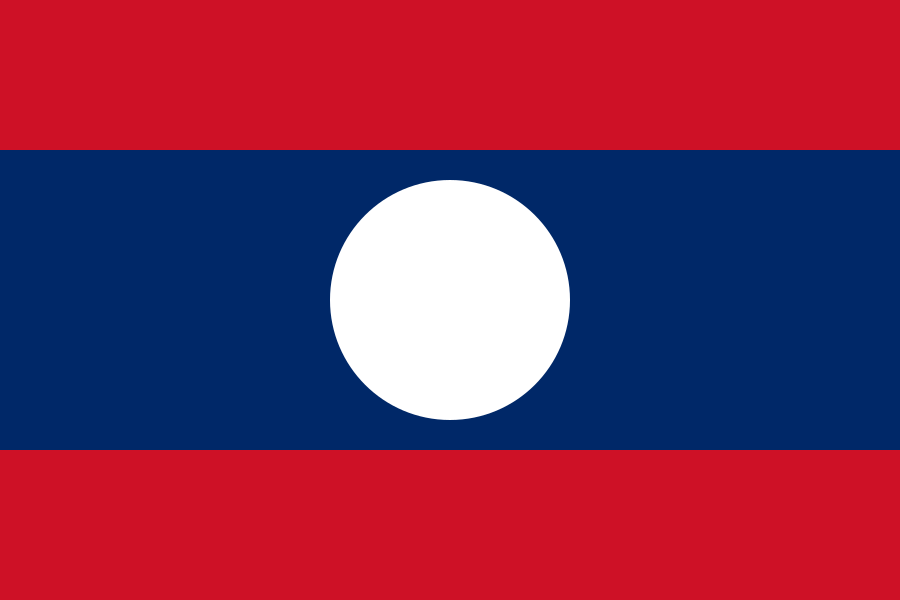 LaosCapital: Vientiane
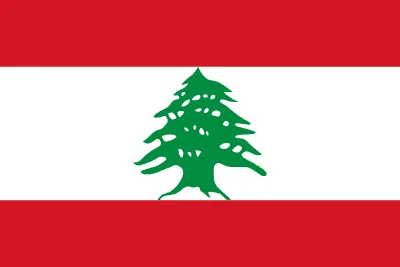 LebanonCapital: Beirut
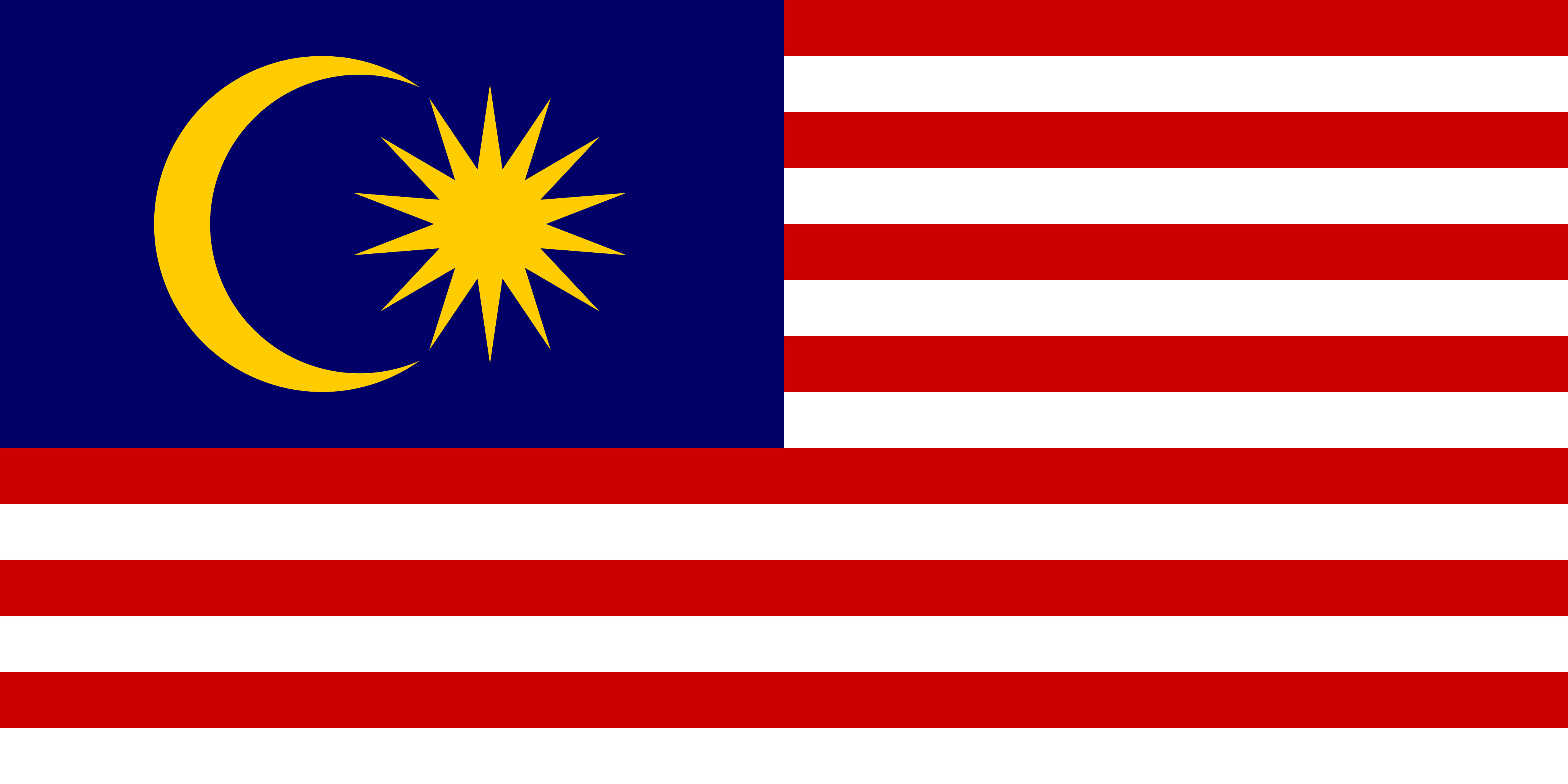 MalaysiaCapital: Kuala Lumpur
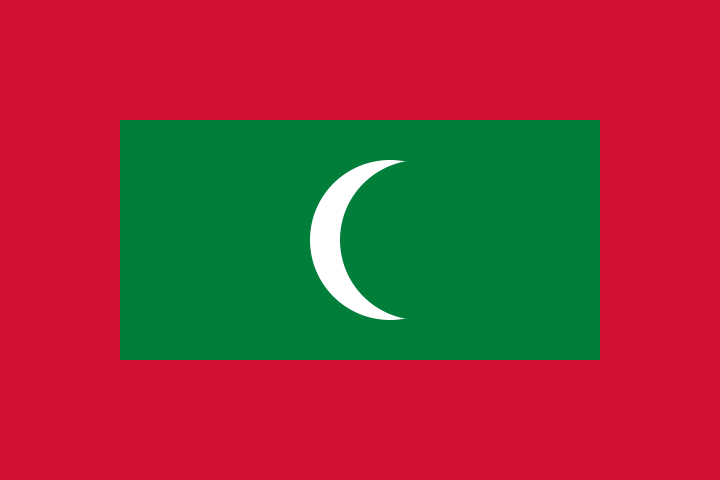 MaldivesCapital: Malé
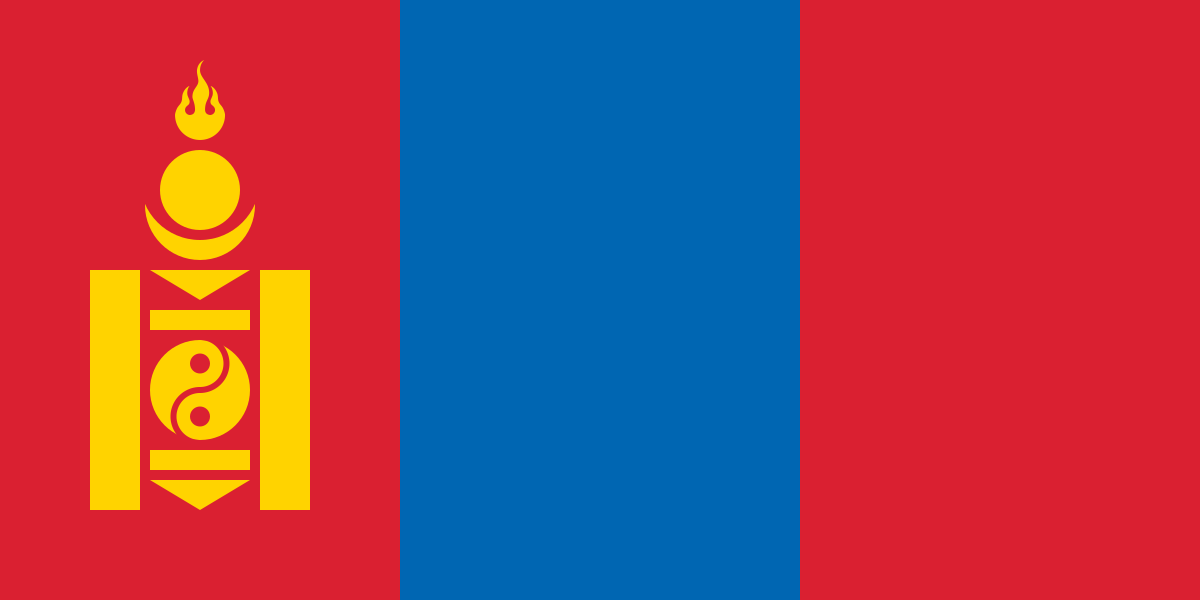 MongoliaCapital: Ulaanbaatar
 Myanmar (Burma)Capital: Naypyidaw
 NepalCapital: Kathmandu
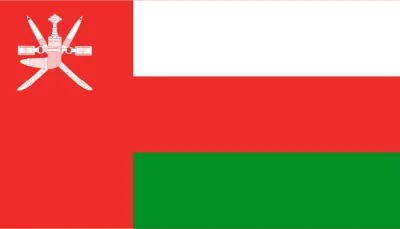 OmanCapital: Muscat
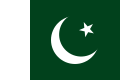 PakistanCapital: Islamabad
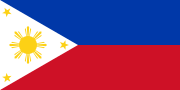 PhilippinesCapital: Manila
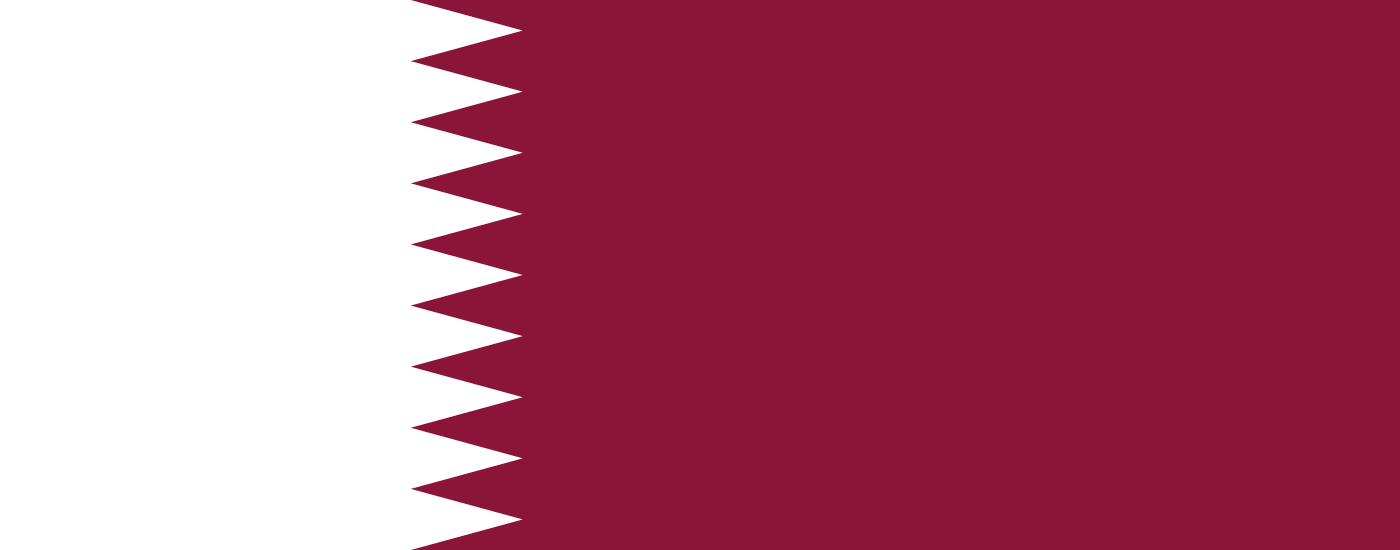 QatarCapital: Doha
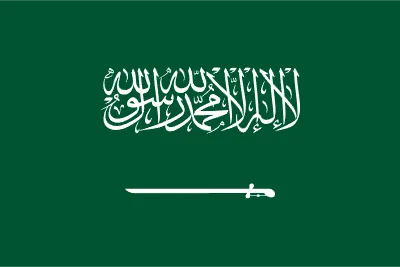 Saudi ArabiaCapital: Riyadh
 SingaporeNo capital (city-state)
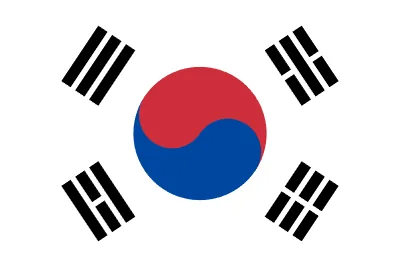 South KoreaCapital: Seoul
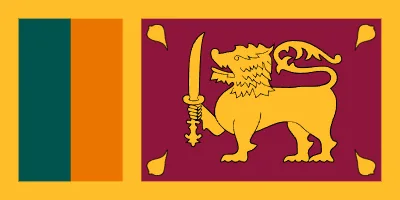 Sri LankaCapital: Sri Jayawardenepura Kotte
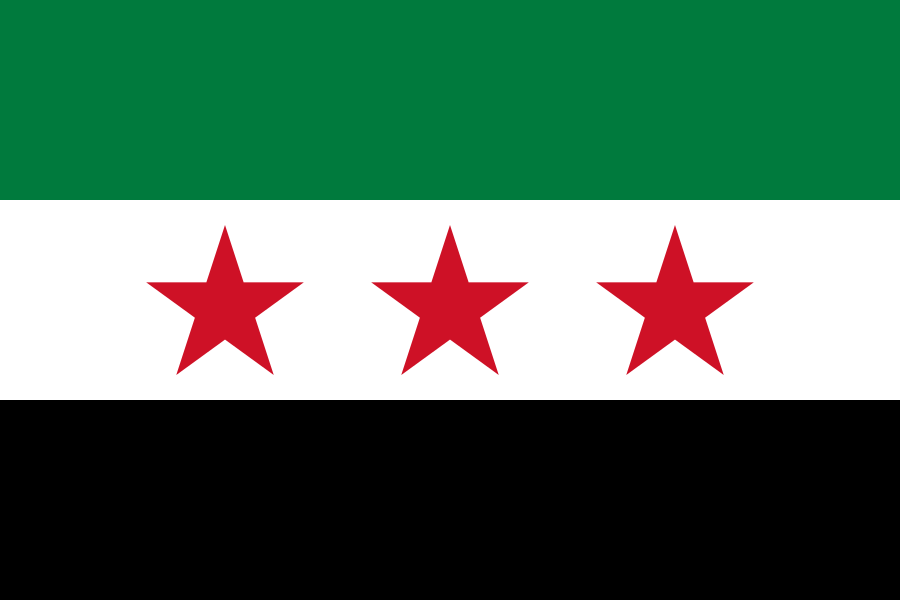 SyriaCapital: Damascus
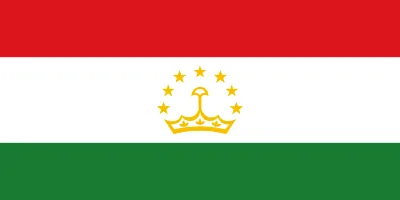 TajikistanCapital: Dushanbe
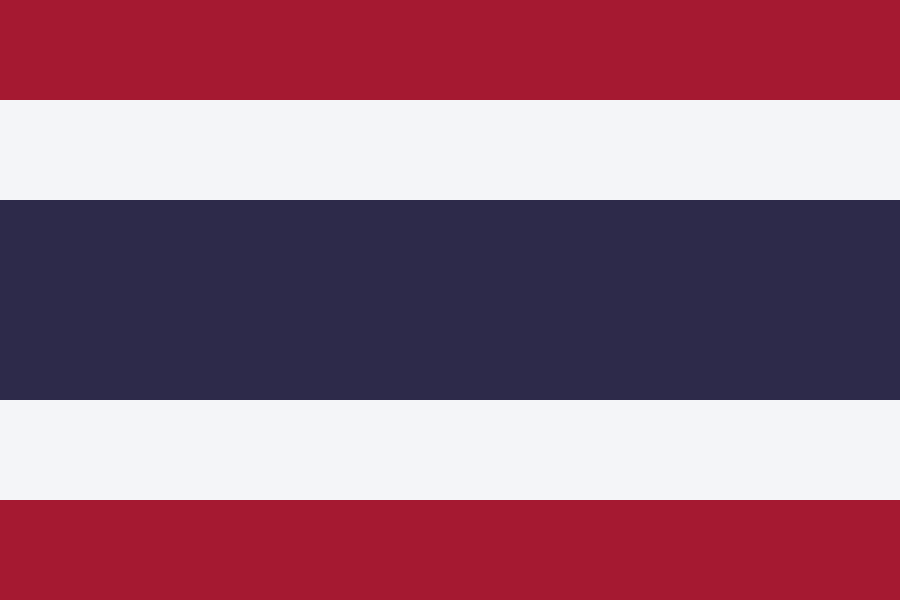 ThailandCapital: Bangkok
 Timor-Leste (East Timor)Capital: Dili
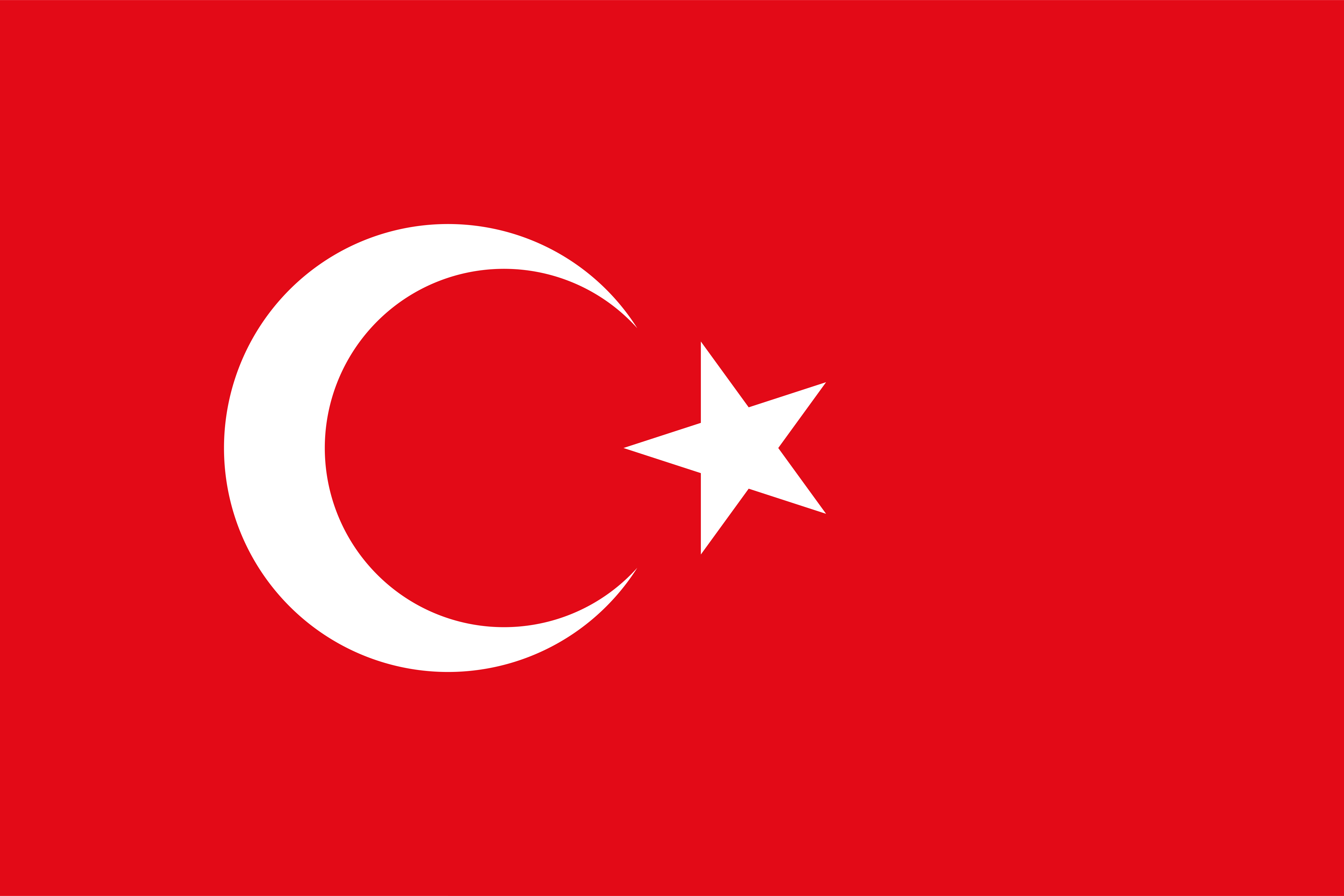 Türkiye (Turkey)Capital: Ankara
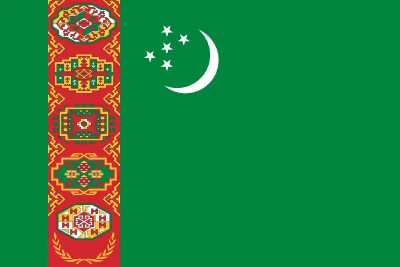 TurkmenistanCapital: Ashgabat
 United Arab Emirates (UAE)Capital: Abu Dhabi
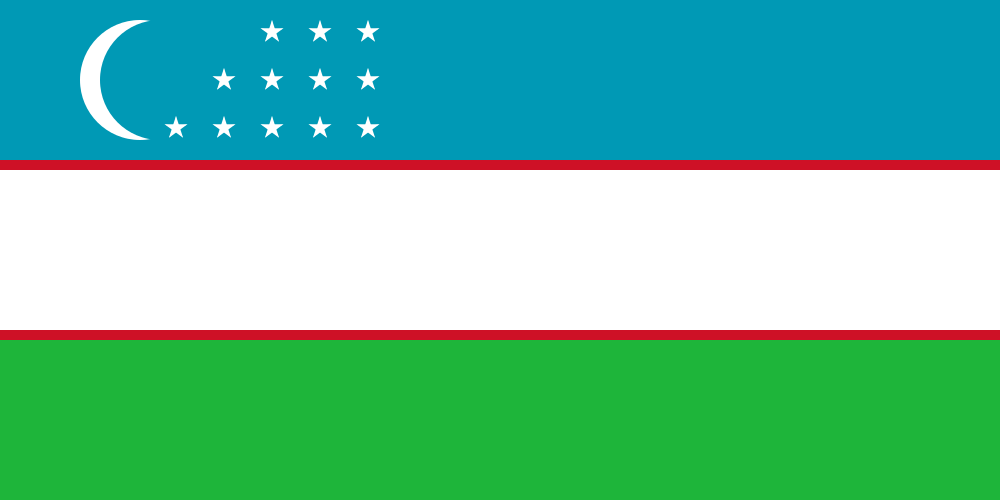 UzbekistanCapital: Tashkent
 VietnamCapital: Hanoi
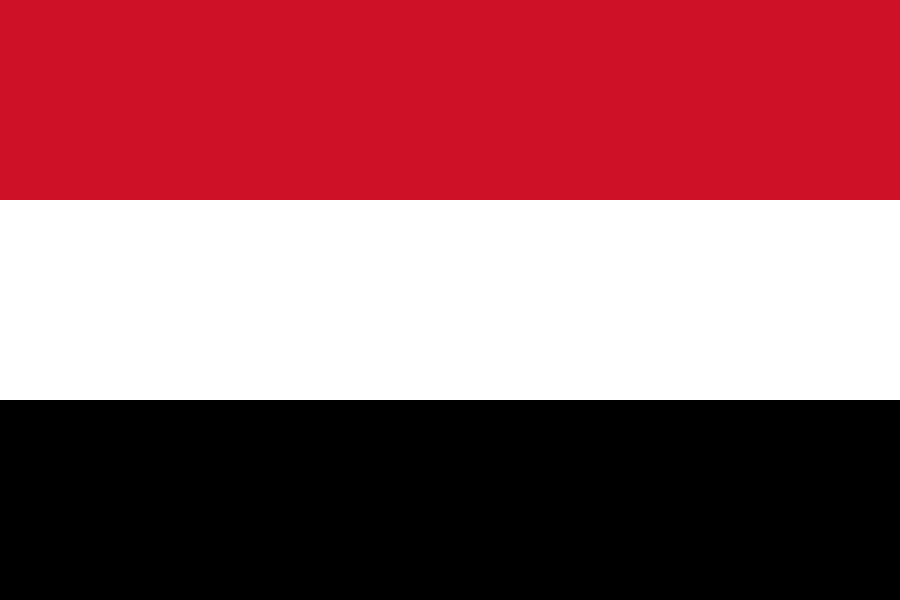 YemenCapital: Sana’a
Europe (45 countries)
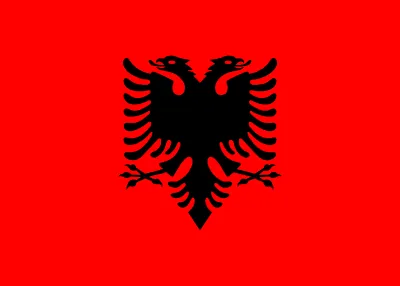 AlbaniaCapital: Tirana
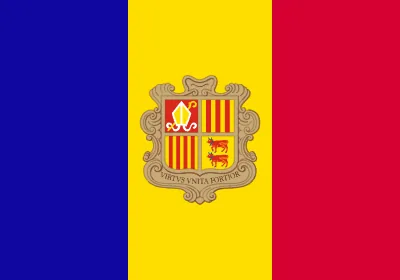 AndorraCapital: Andorra la Vella
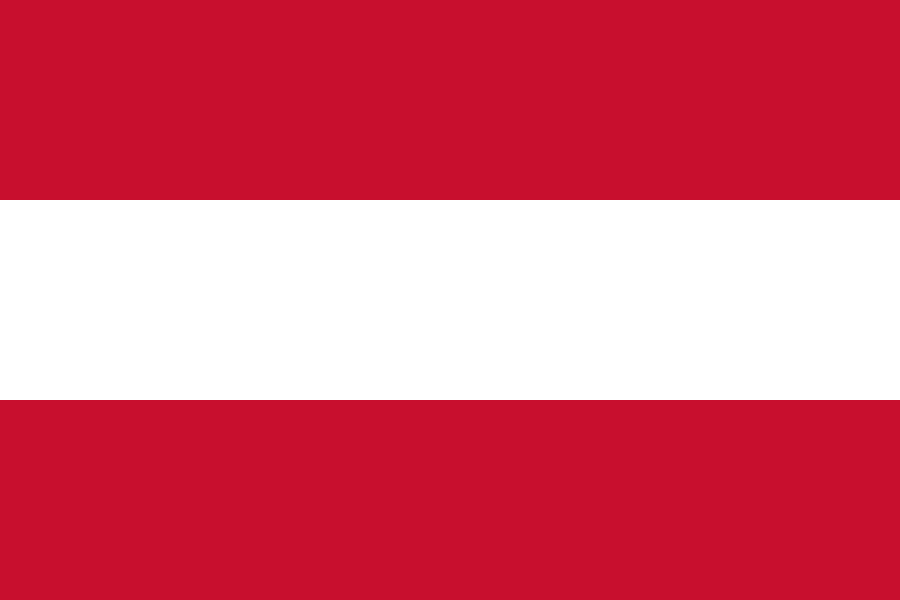 AustriaCapital: Vienna
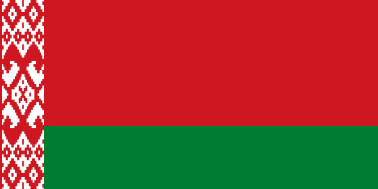 BelarusCapital: Minsk
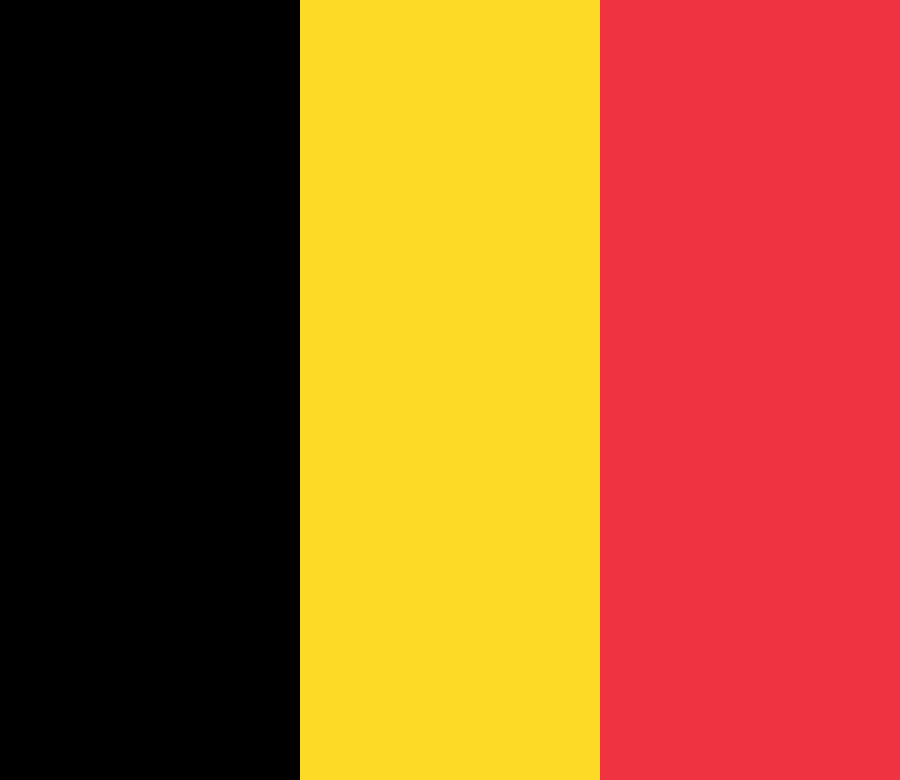 BelgiumCapital: Brussels
 Bosnia and HerzegovinaCapital: Sarajevo
 BulgariaCapital: Sofia
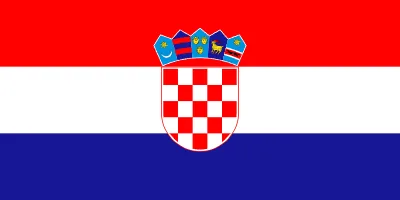 CroatiaCapital: Zagreb
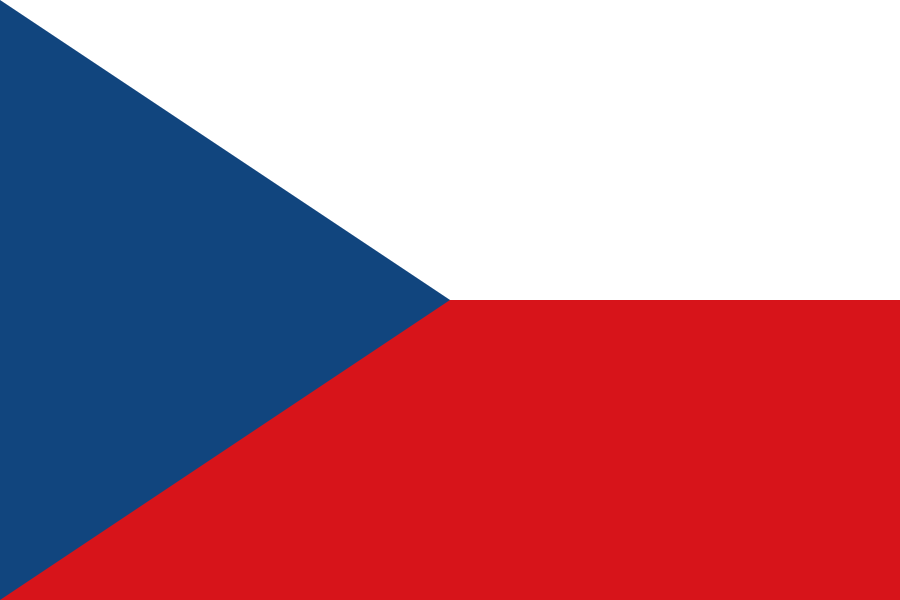 Czechia (Czech Republic)Capital: Prague
 DenmarkCapital: Copenhagen
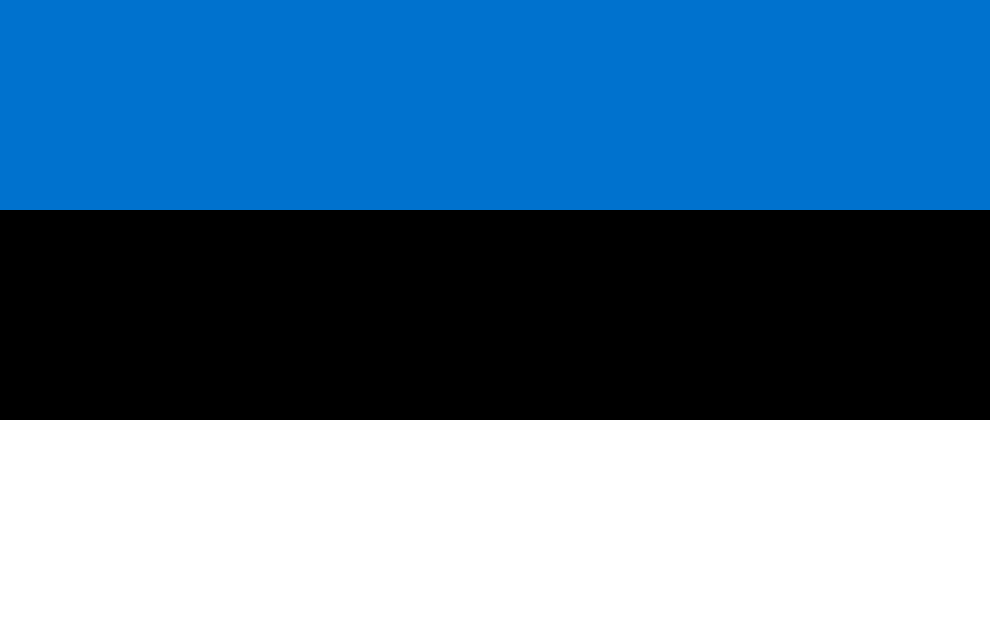 EstoniaCapital: Tallinn
 FinlandCapital: Helsinki
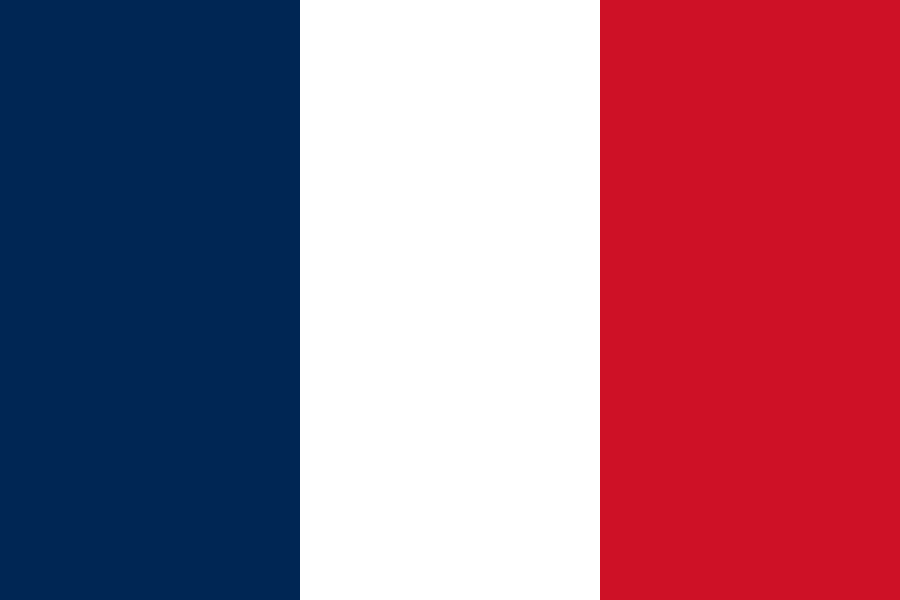 FranceCapital: Paris
 GermanyCapital: Berlin
 GreeceCapital: Athens
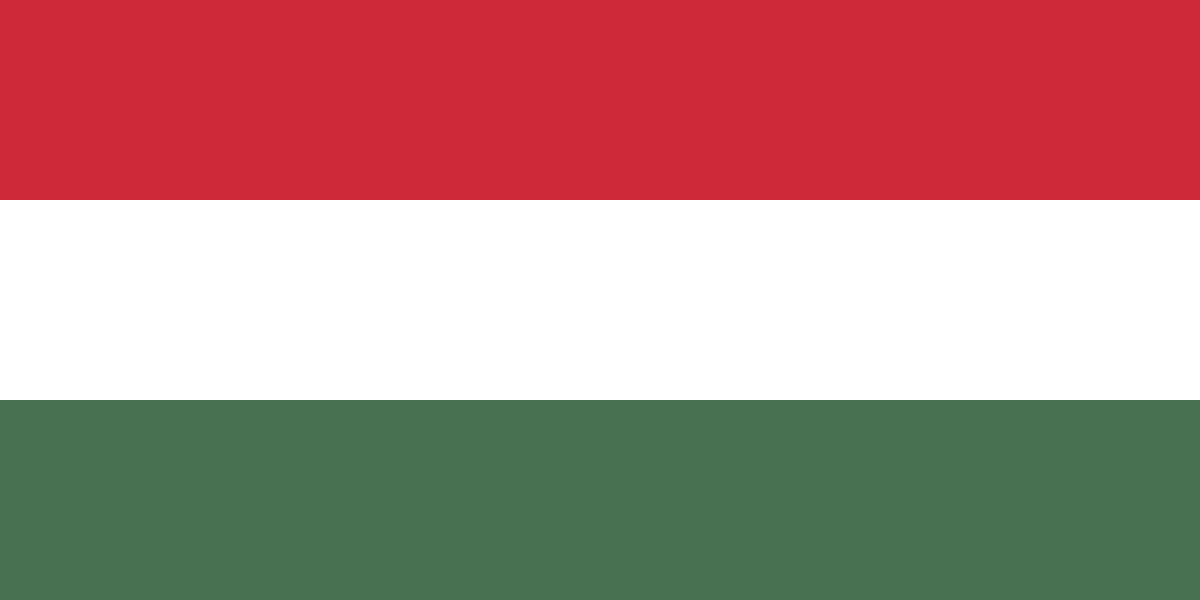 HungaryCapital: Budapest
 IcelandCapital: Reykjavík
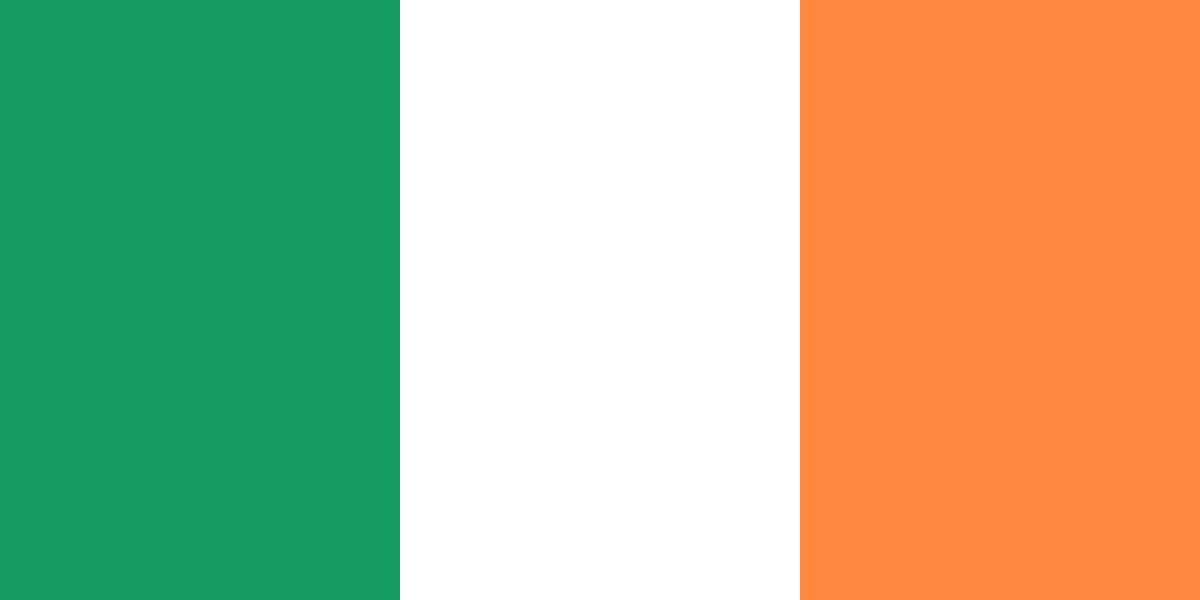 IrelandCapital: Dublin
 ItalyCapital: Rome
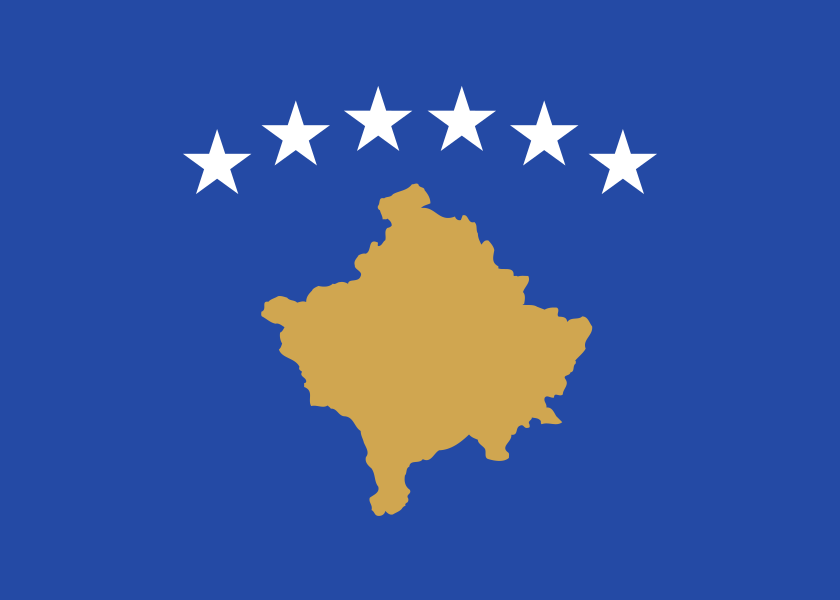 KosovoCapital: Pristina
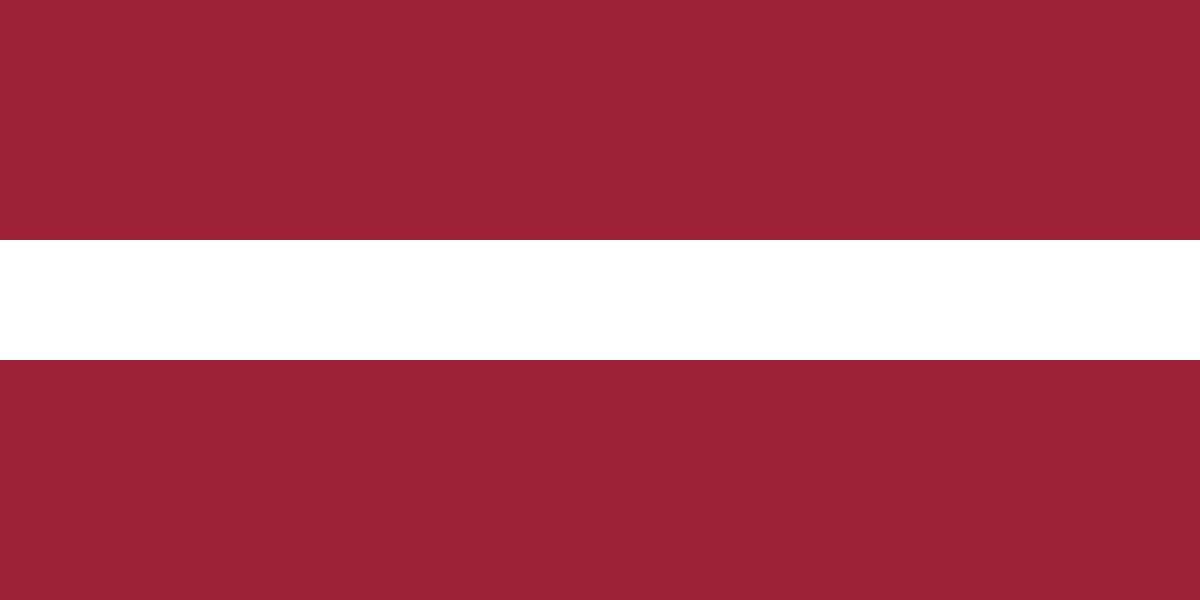 LatviaCapital: Riga
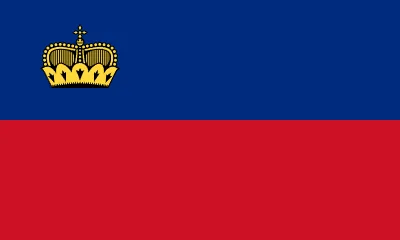 LiechtensteinCapital: Vaduz
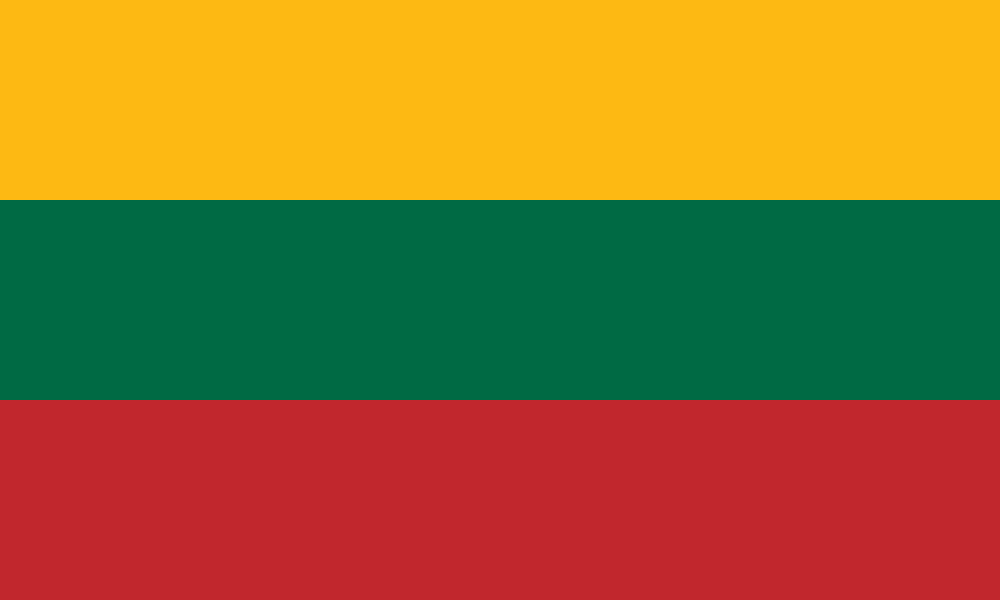 LithuaniaCapital: Vilnius
 LuxembourgCapital: Luxembourg City
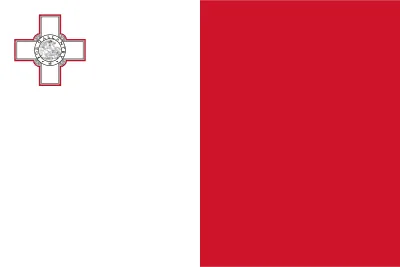 MaltaCapital: Valletta
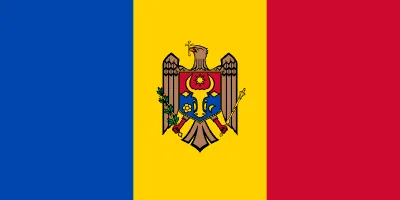 MoldovaCapital: Chișinău
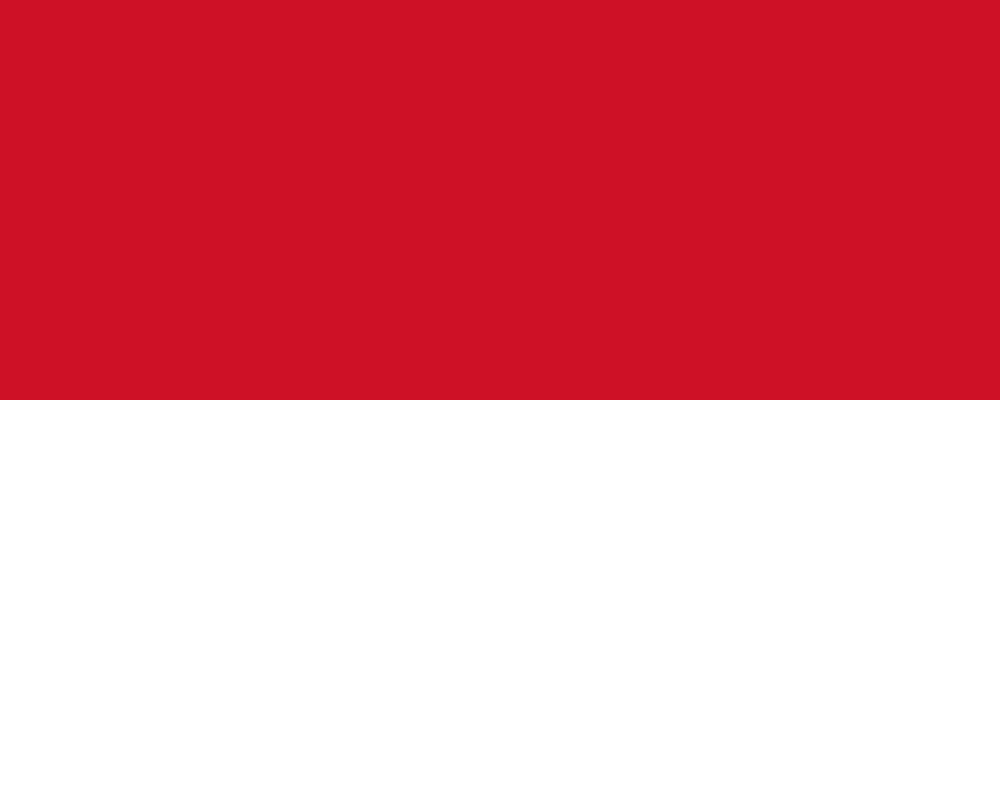 MonacoNo capital (city-state)
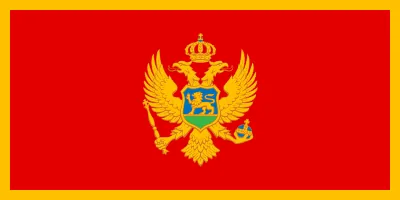 MontenegroCapital: Podgorica
 NetherlandsCapital: Amsterdam
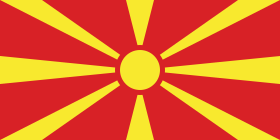 North MacedoniaCapital: Skopje
 NorwayCapital: Oslo
 PolandCapital: Warsaw
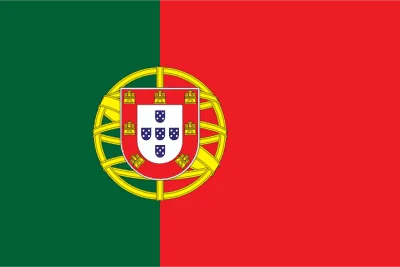 PortugalCapital: Lisbon
 RomaniaCapital: Bucharest
 RussiaCapital: Moscow
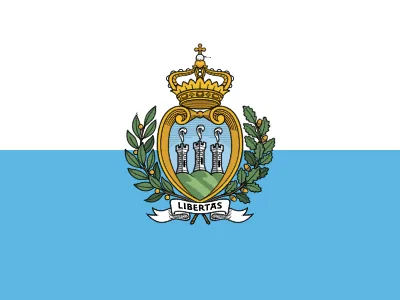 San MarinoCapital: City of San Marino
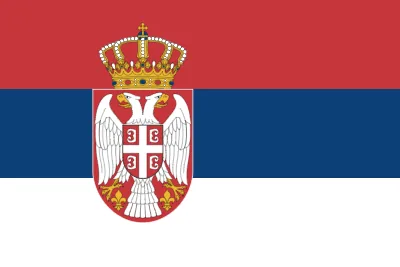 SerbiaCapital: Belgrade
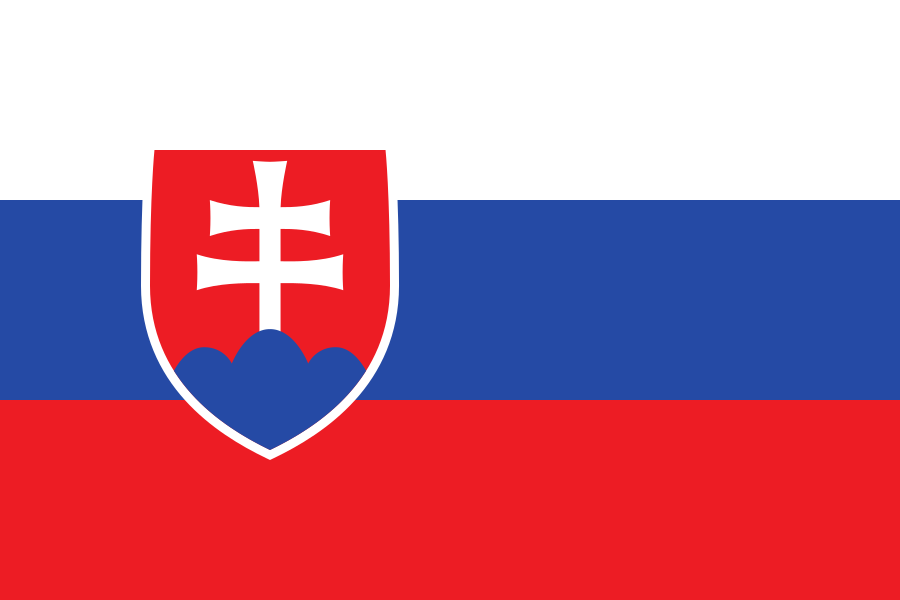 SlovakiaCapital: Bratislava
 SloveniaCapital: Ljubljana
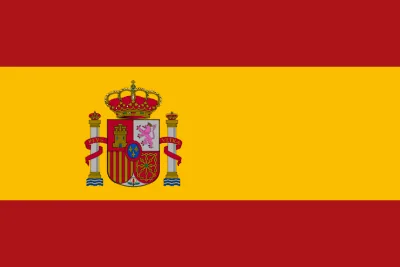 SpainCapital: Madrid
 SwedenCapital: Stockholm
 SwitzerlandCapital: Bern
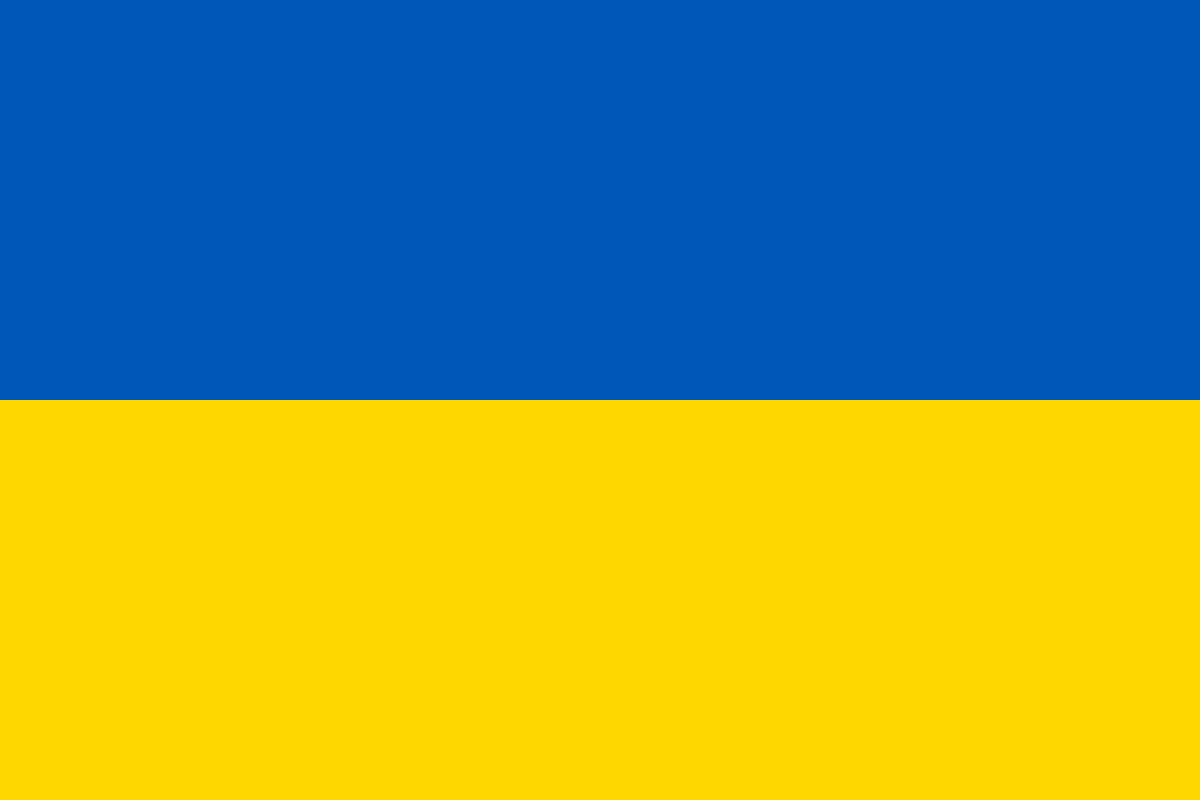 UkraineCapital: Kyiv
 United KingdomCapital: London
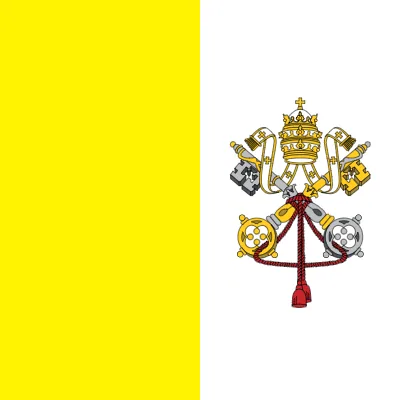 Vatican City (Holy See)No capital (city-state)
Africa (54 countries)
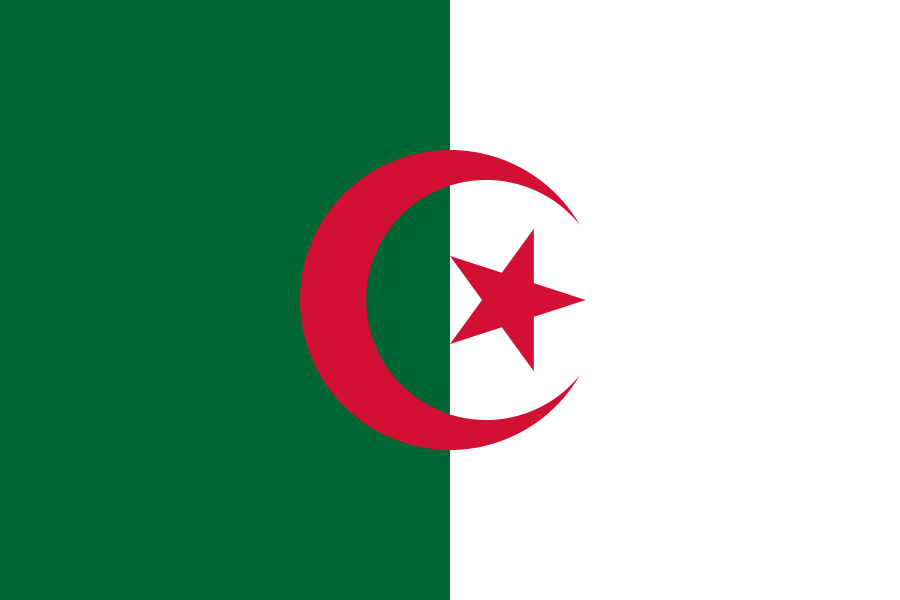 AlgeriaCapital: Algiers
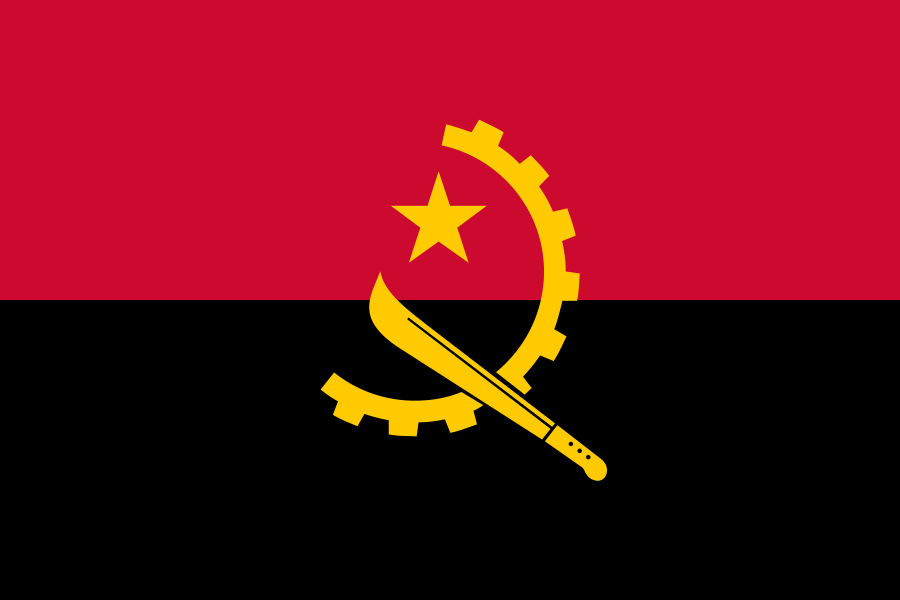 AngolaCapital: Luanda
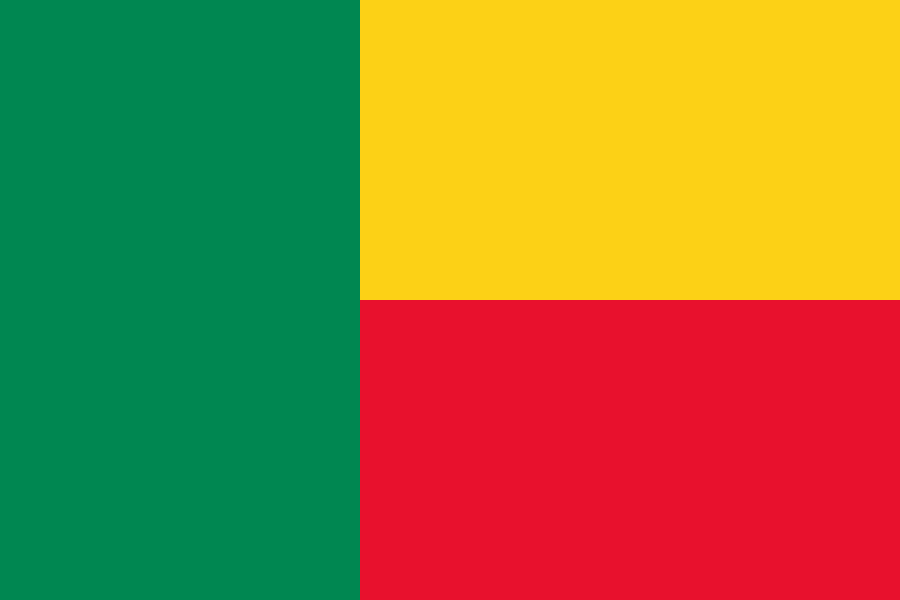 BeninCapital: Porto-Novo
 BotswanaCapital: Gaborone
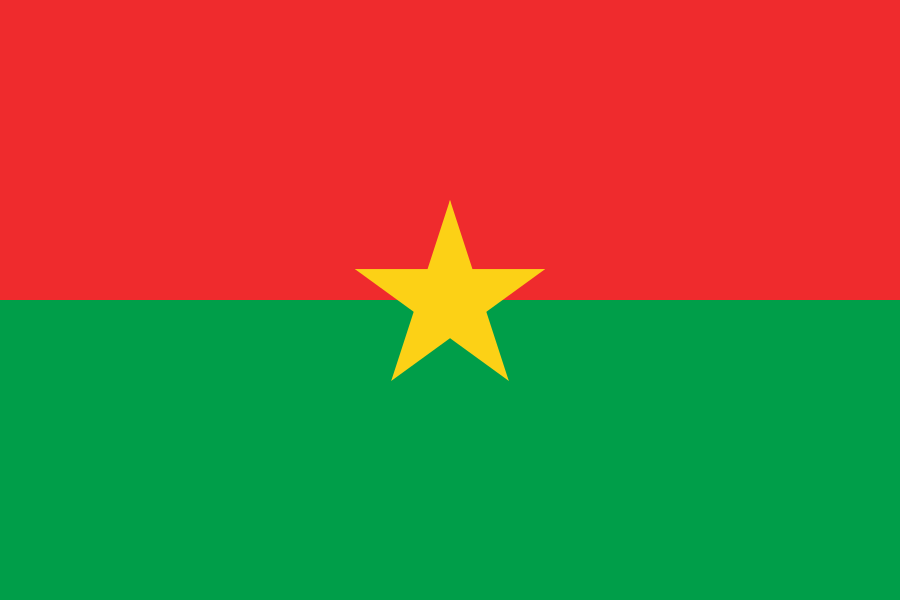 Burkina FasoCapital: Ouagadougou
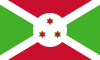 BurundiCapital: Gitega
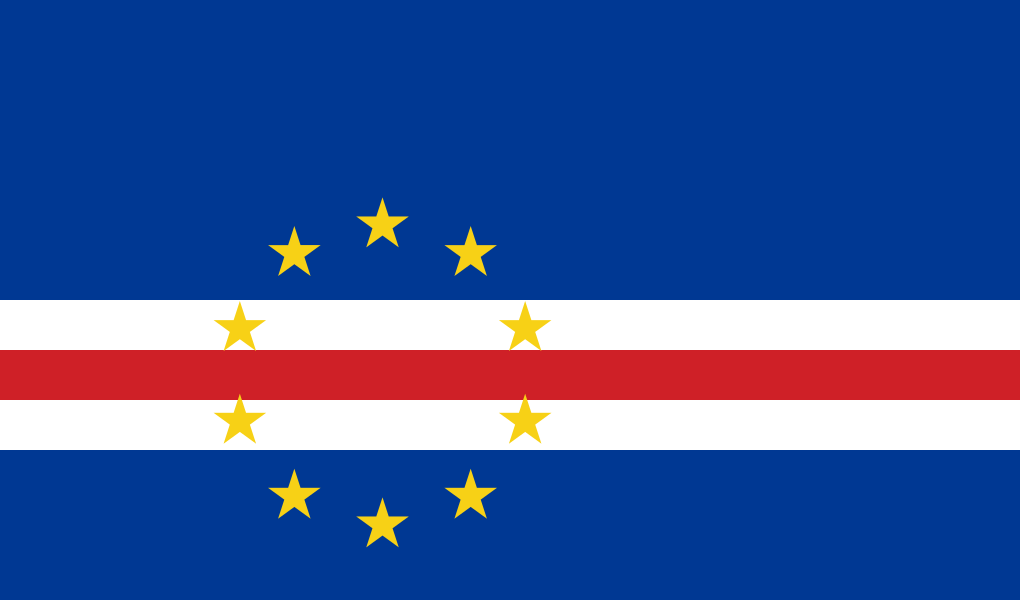 Cabo Verde (Cape Verde)Capital: Praia
 CameroonCapital: Yaoundé
 Central African RepublicCapital: Bangui
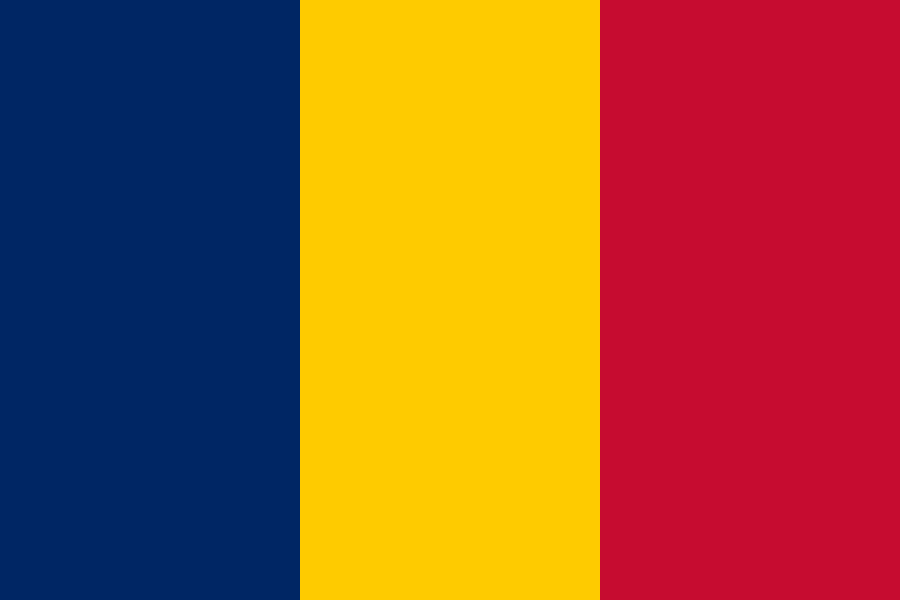 ChadCapital: N’Djamena
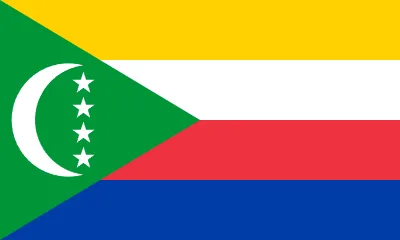 ComorosCapital: Moroni
 Côte d’Ivoire (Ivory Coast)Capital: Yamoussoukro
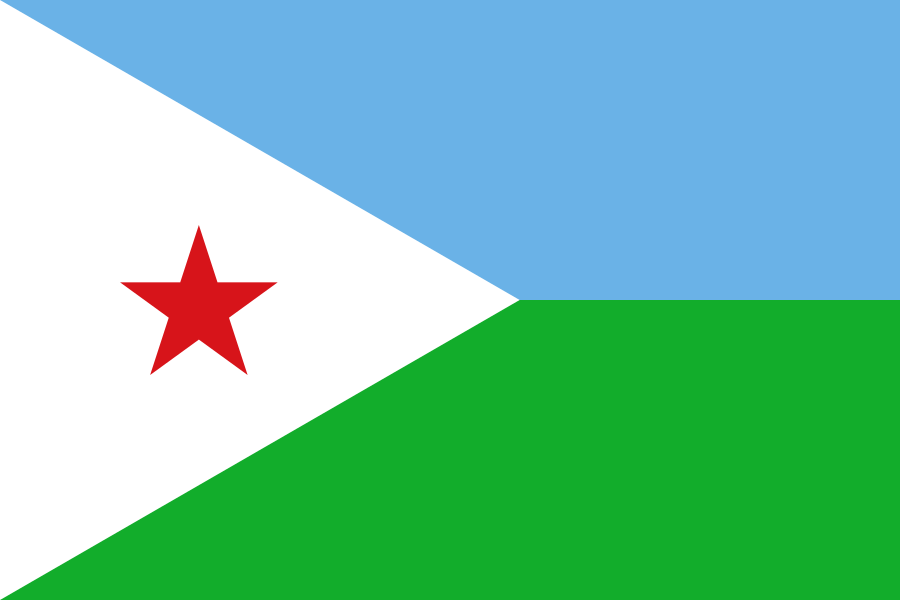 DjiboutiCapital: Djibouti
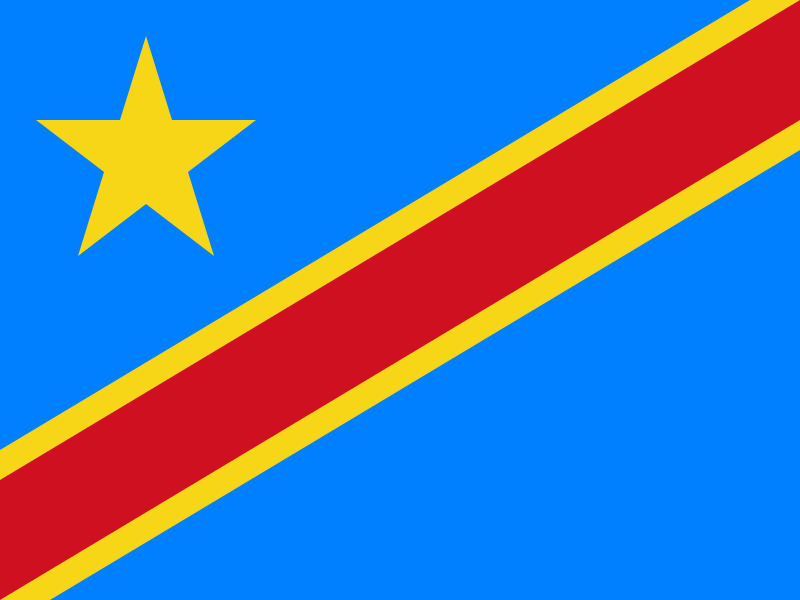 DR Congo (Congo-Kinshasa)Capital: Kinshasa
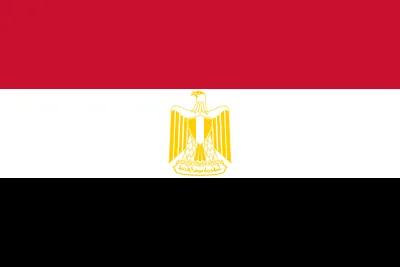 EgyptCapital: Cairo
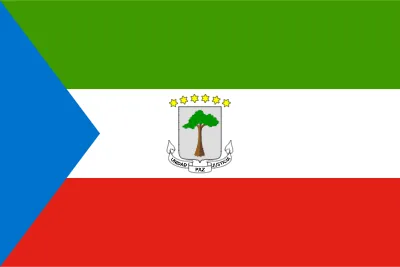 Equatorial GuineaCapital: Ciudad de la Paz (move from Malabo announced in 2026)
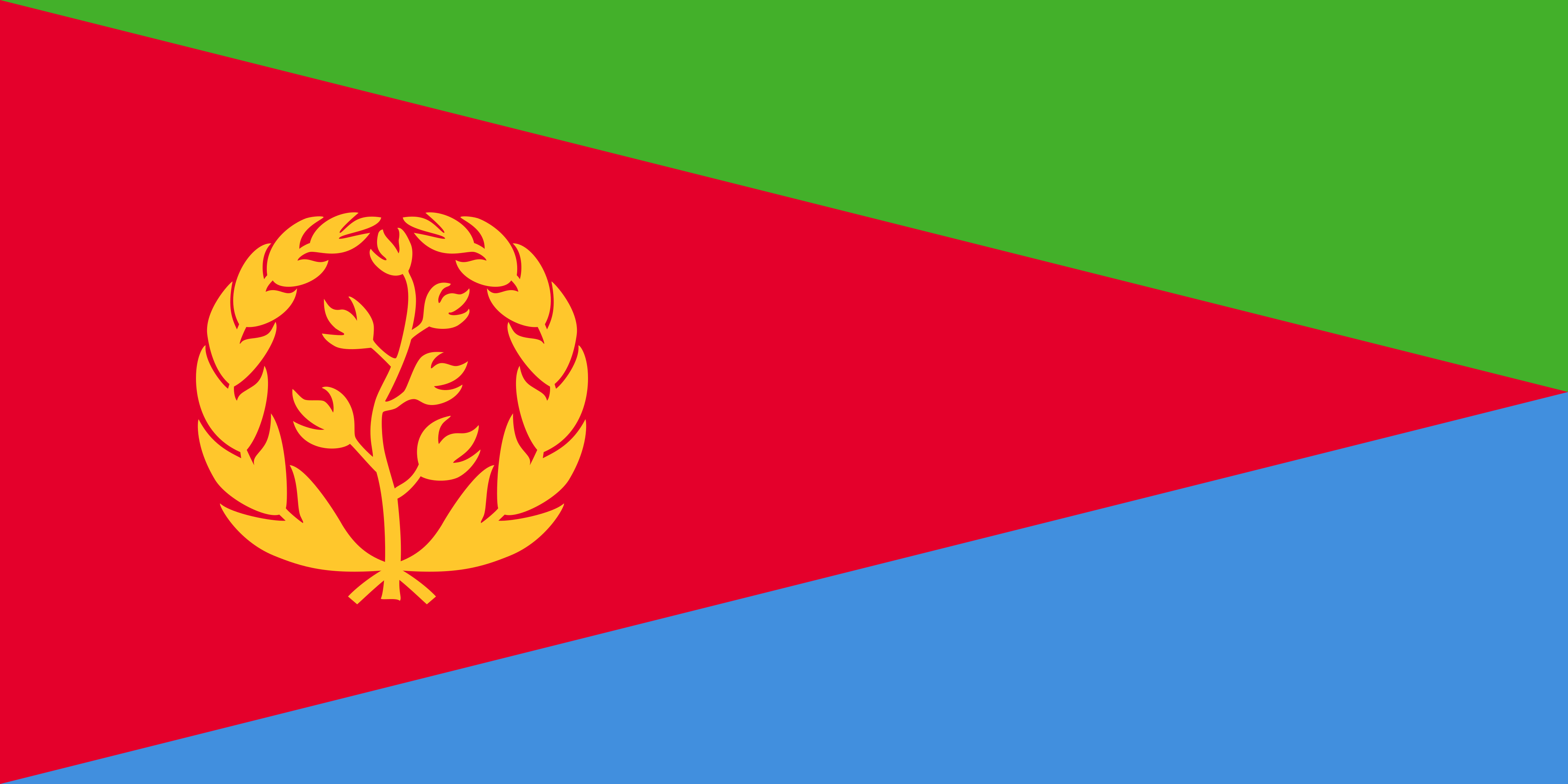 EritreaCapital: Asmara
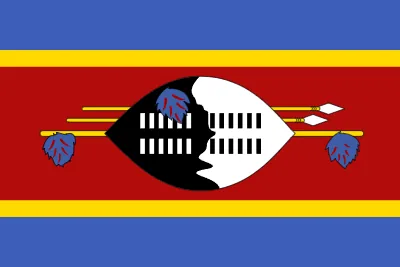 Eswatini (Swaziland)Capital: Mbabane
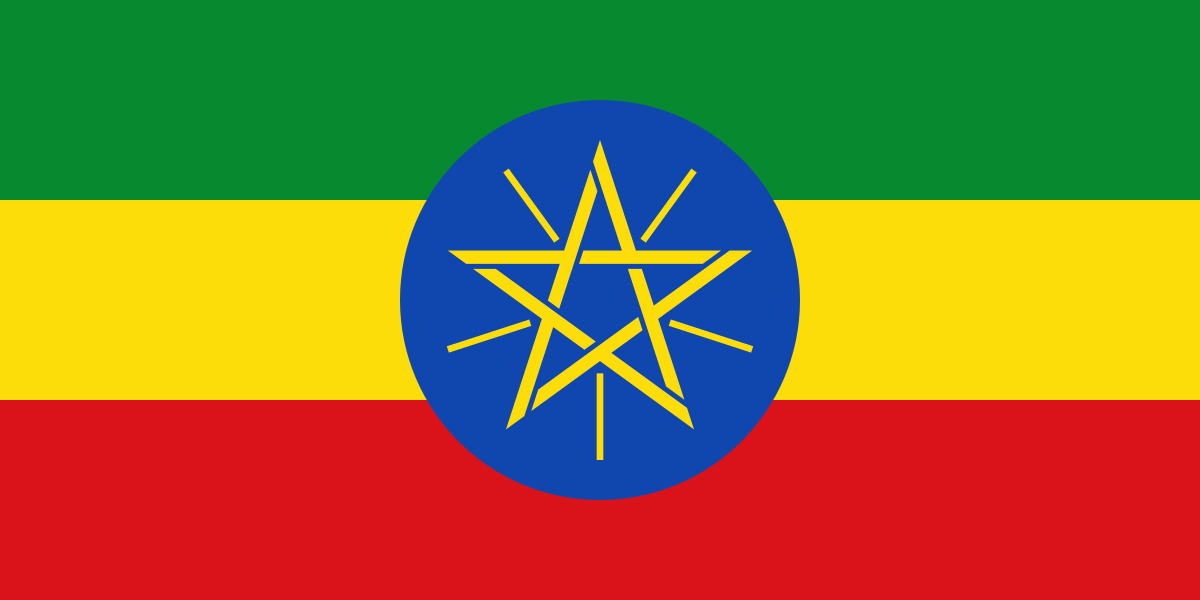 EthiopiaCapital: Addis Ababa
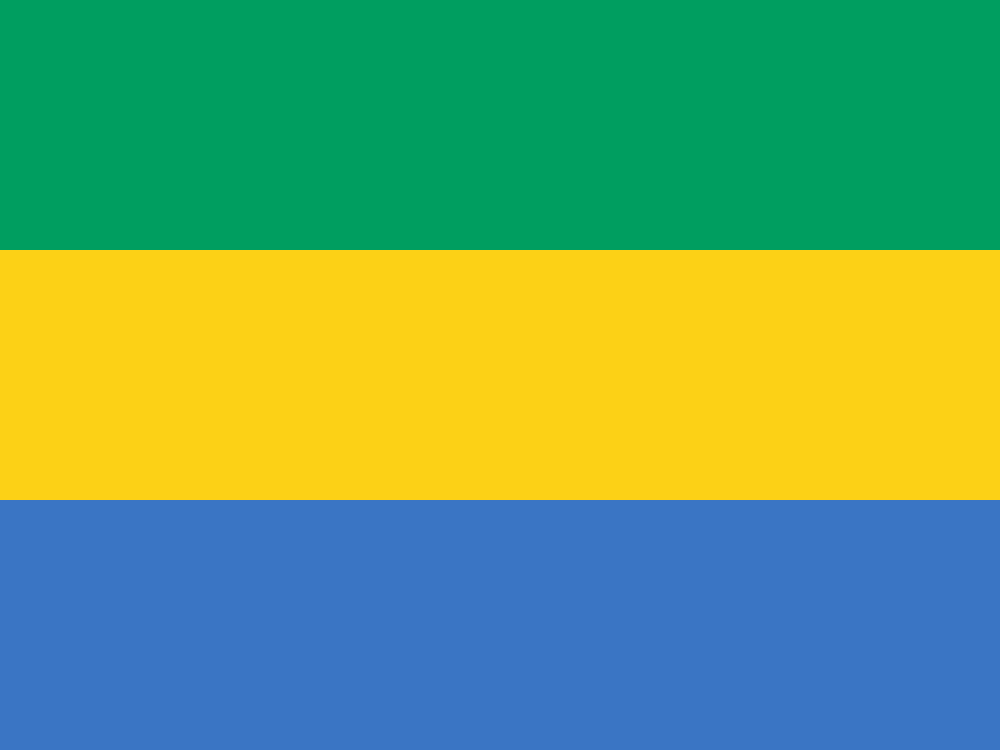 GabonCapital: Libreville
 Gambia (The Gambia)Capital: Banjul
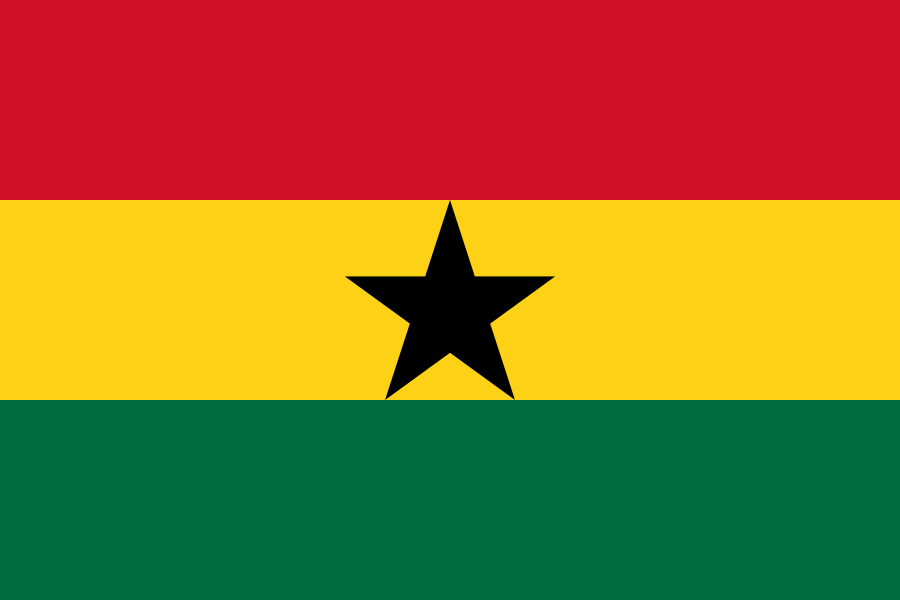 GhanaCapital: Accra
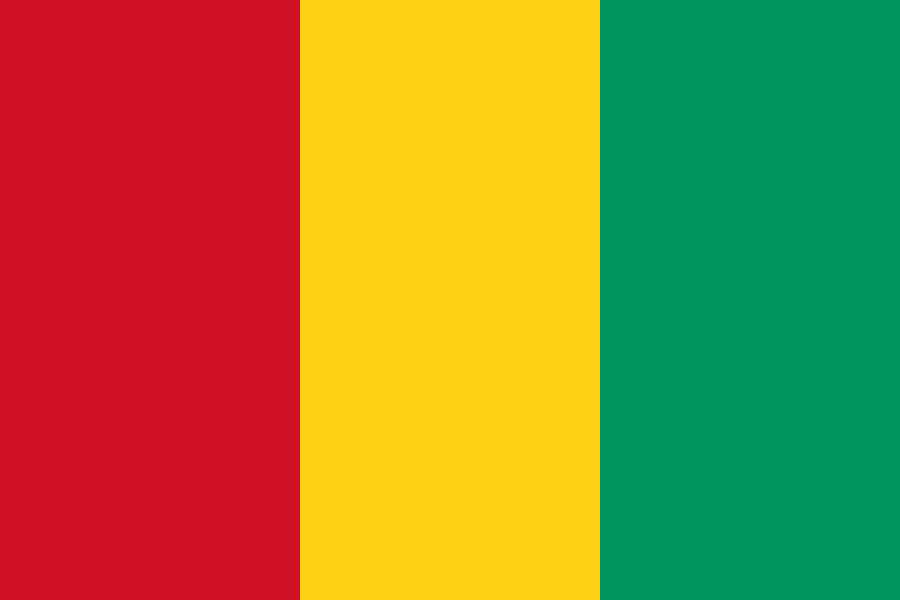 GuineaCapital: Conakry
 Guinea-BissauCapital: Bissau
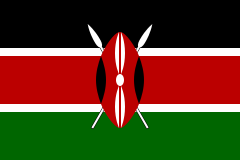 KenyaCapital: Nairobi
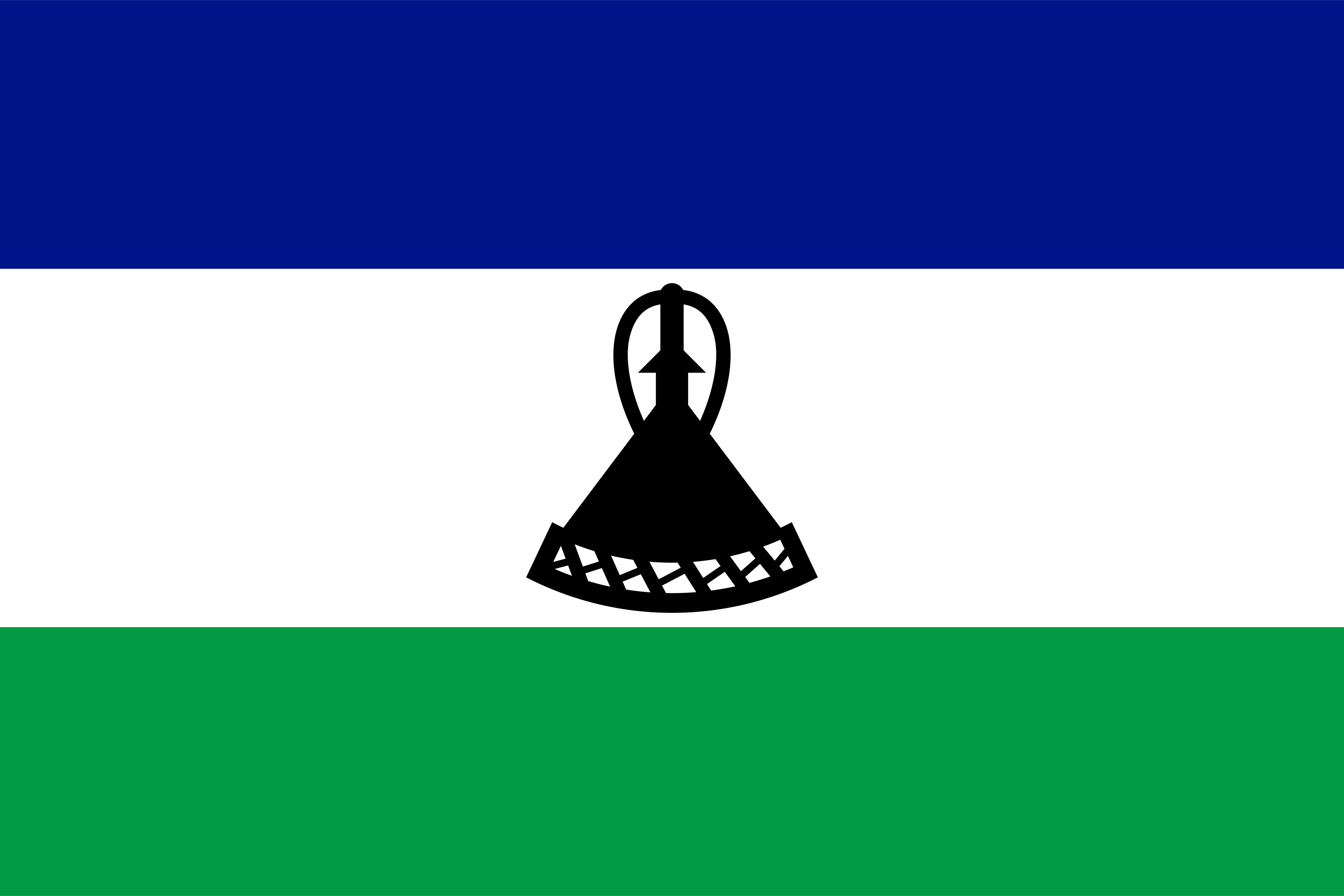 LesothoCapital: Maseru
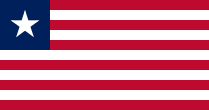 LiberiaCapital: Monrovia
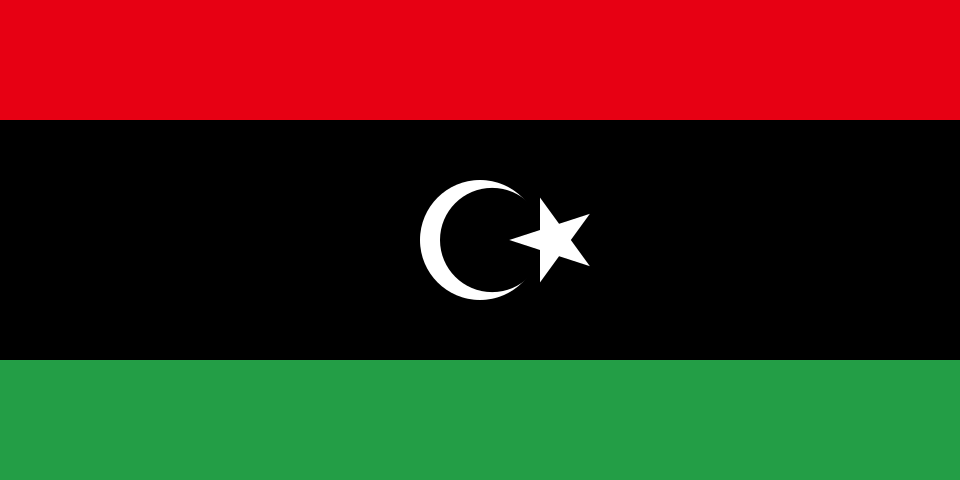 LibyaCapital: Tripoli
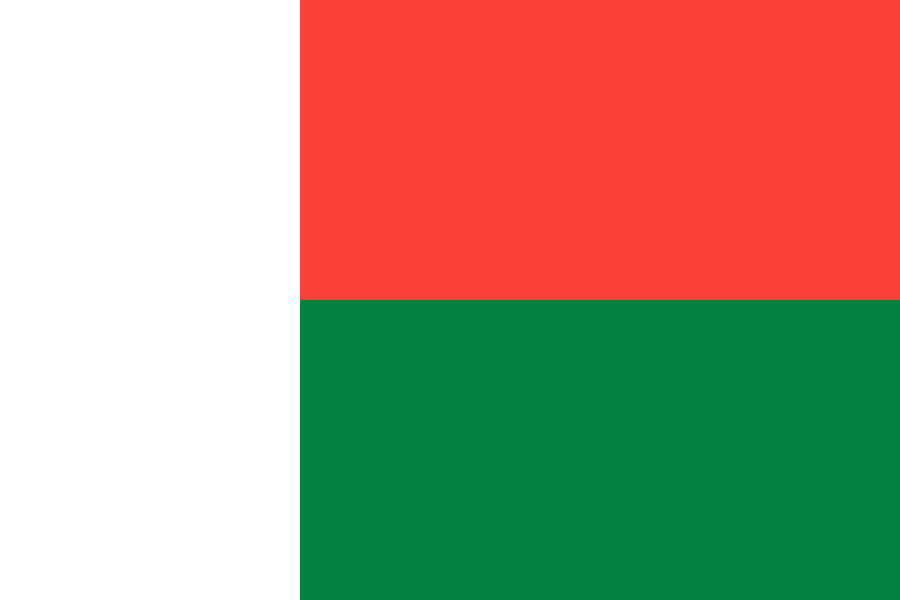 MadagascarCapital: Antananarivo
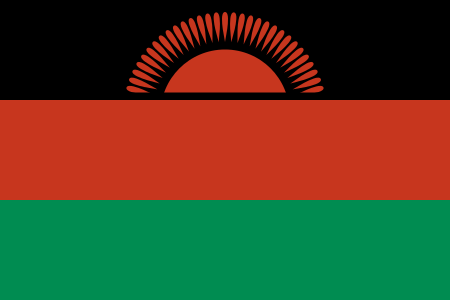 MalawiCapital: Lilongwe
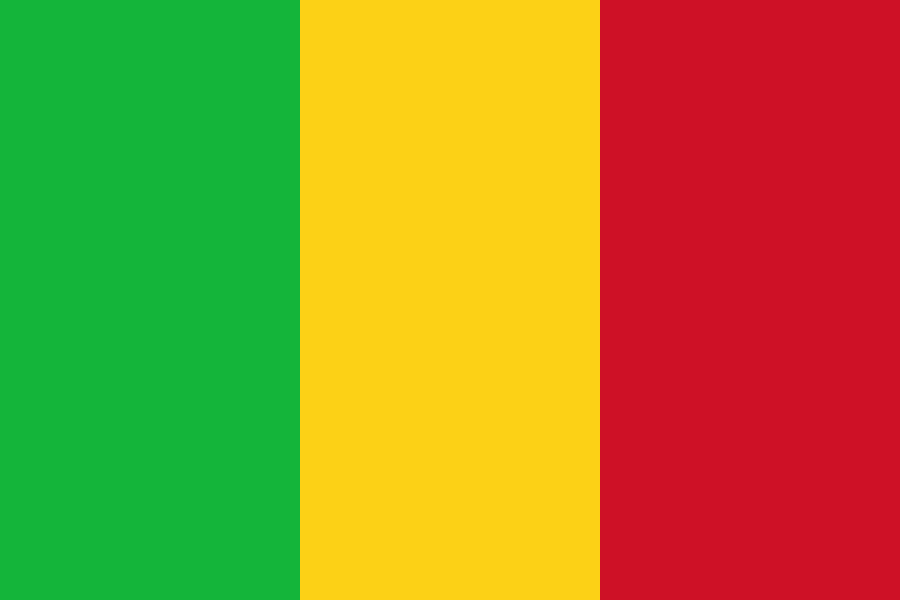 MaliCapital: Bamako
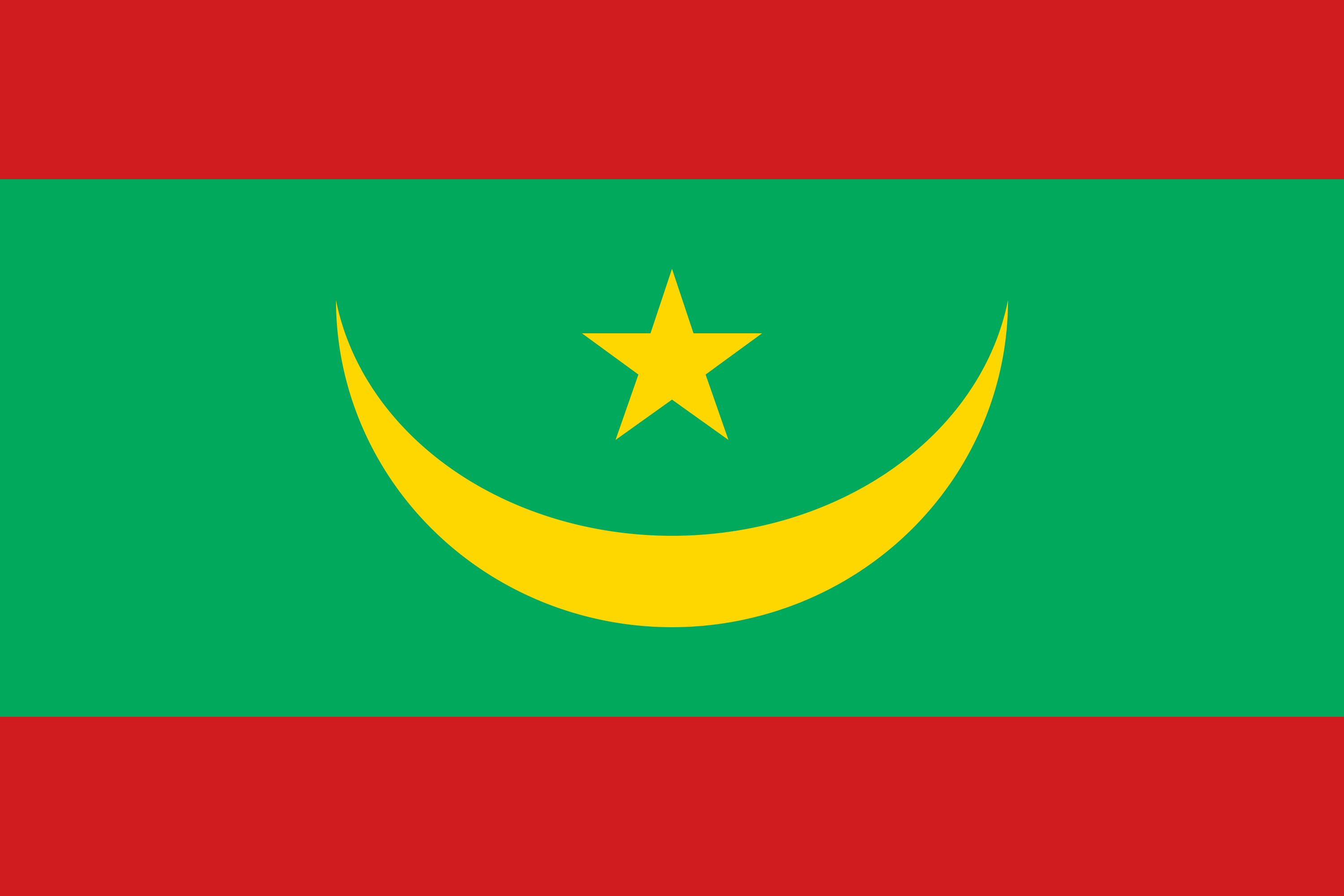 MauritaniaCapital: Nouakchott
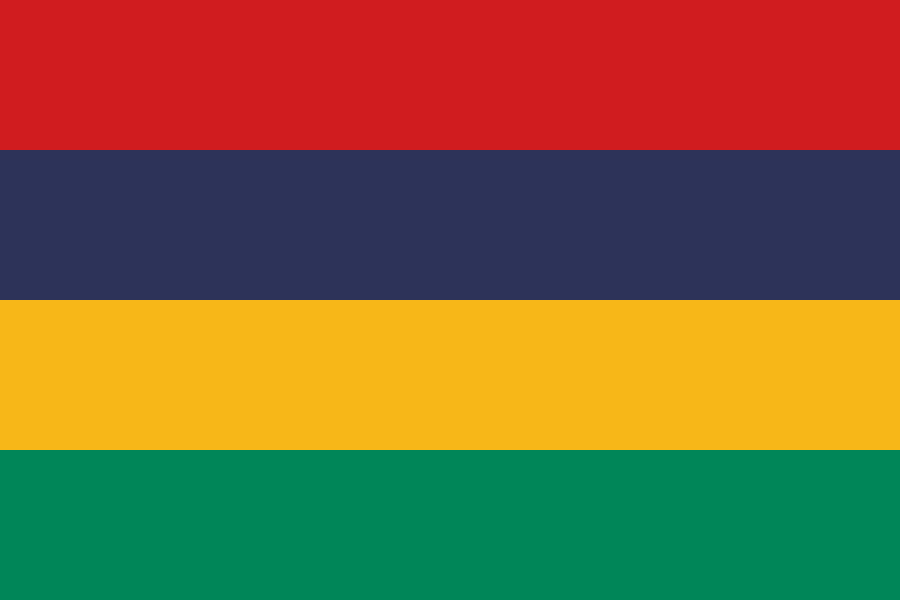 MauritiusCapital: Port Louis
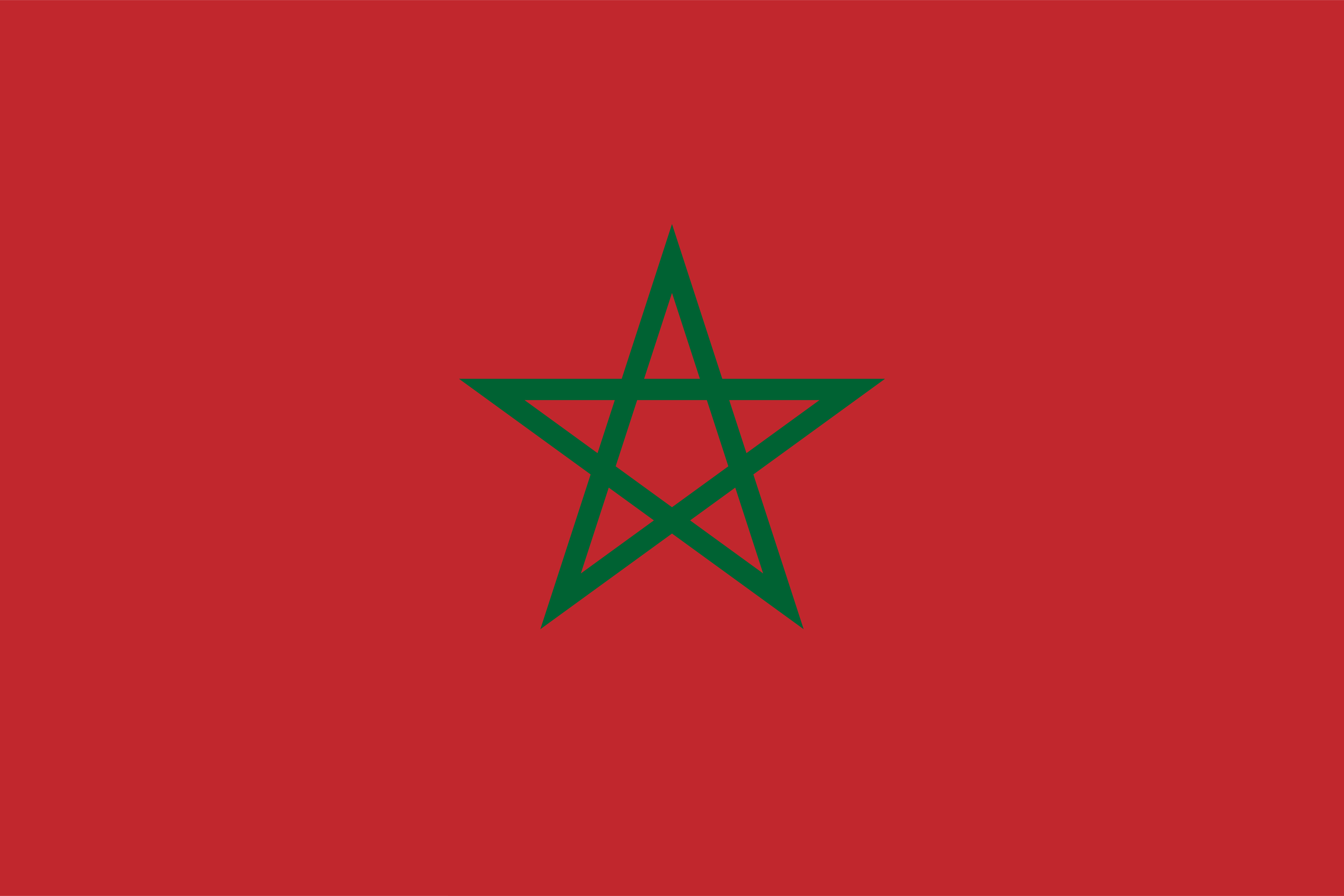 MoroccoCapital: Rabat
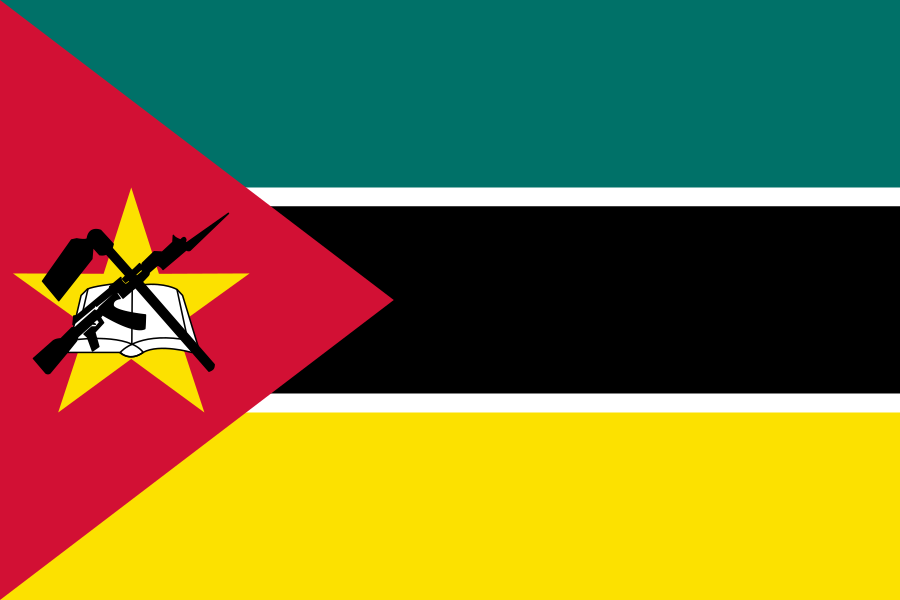 MozambiqueCapital: Maputo
 NamibiaCapital: Windhoek
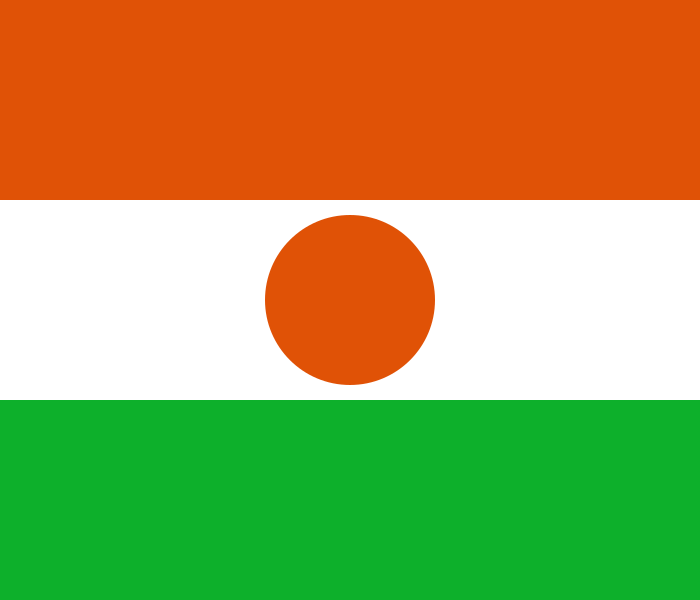 NigerCapital: Niamey
 NigeriaCapital: Abuja
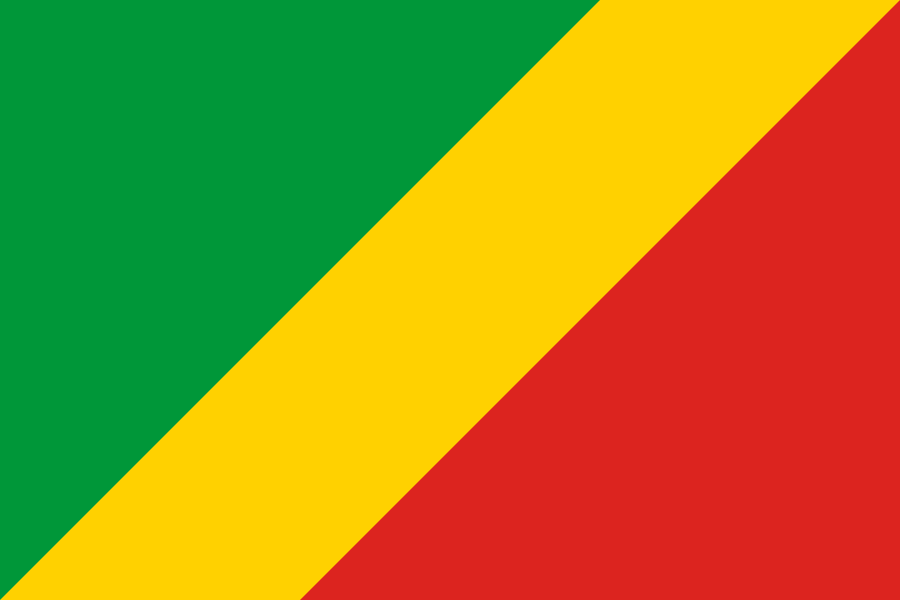 Republic of the Congo (Congo-Brazzaville)Capital: Brazzaville
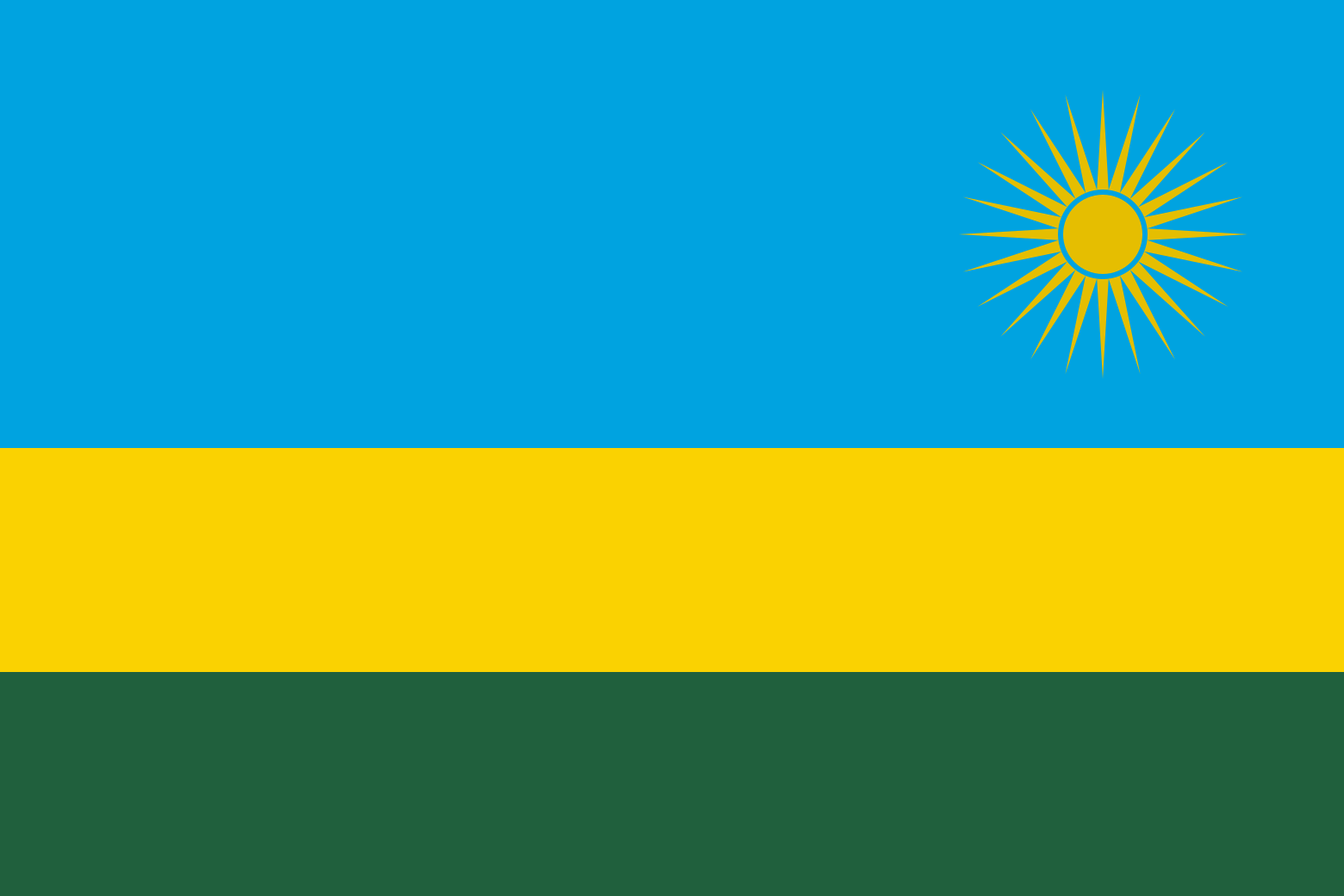 RwandaCapital: Kigali
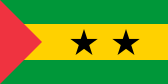 São Tomé and PríncipeCapital: São Tomé
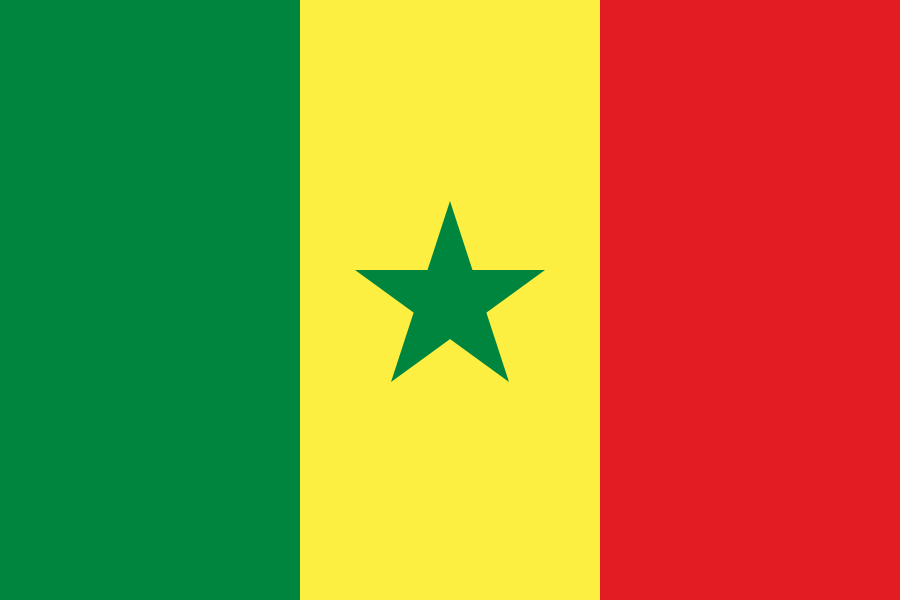 SenegalCapital: Dakar
 SeychellesCapital: Victoria
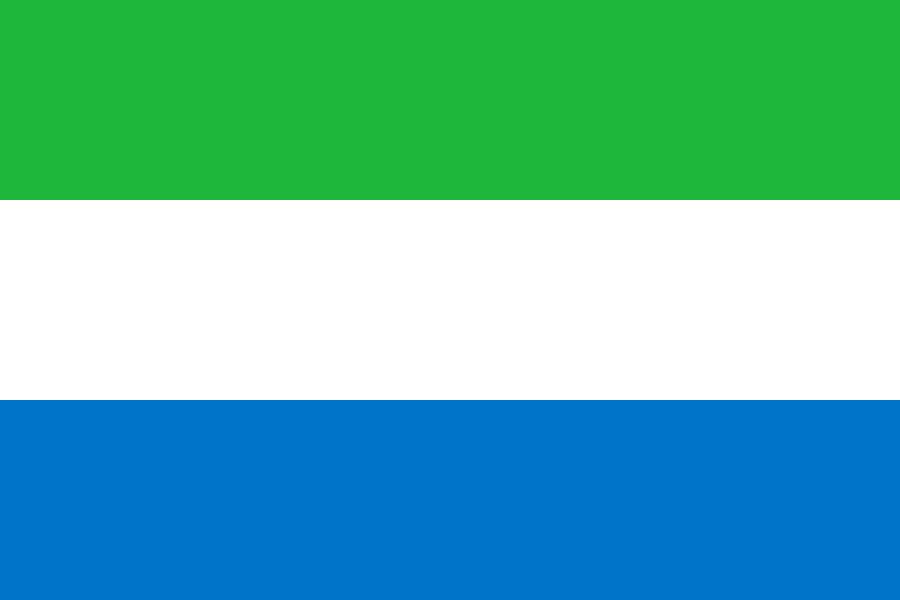 Sierra LeoneCapital: Freetown
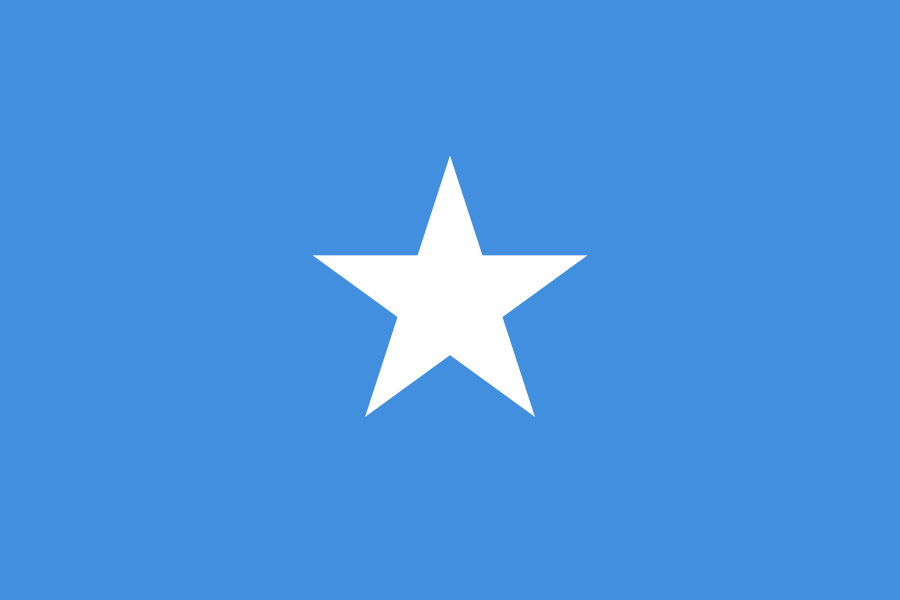 SomaliaCapital: Mogadishu
 South AfricaCapital: Pretoria
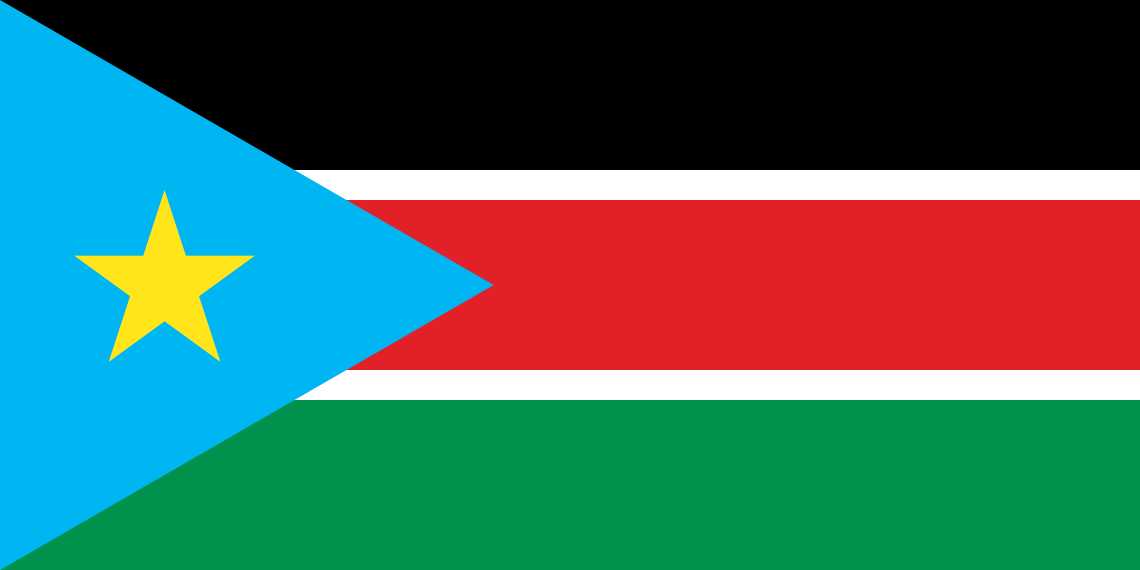 South SudanCapital: Juba
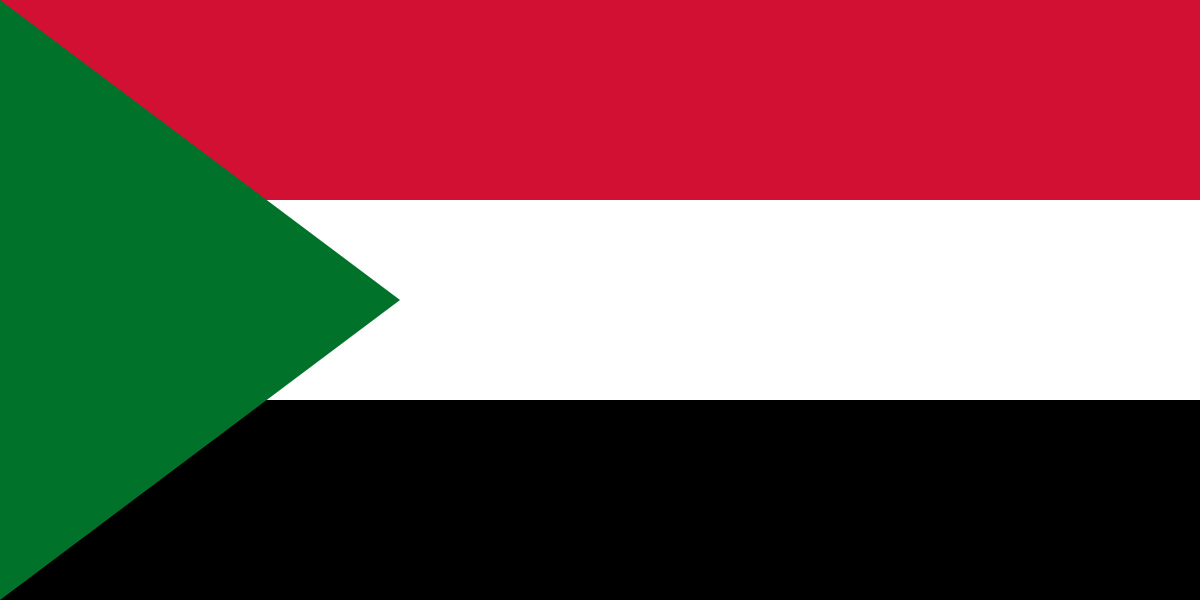 SudanCapital: Khartoum
 TanzaniaCapital: Dodoma
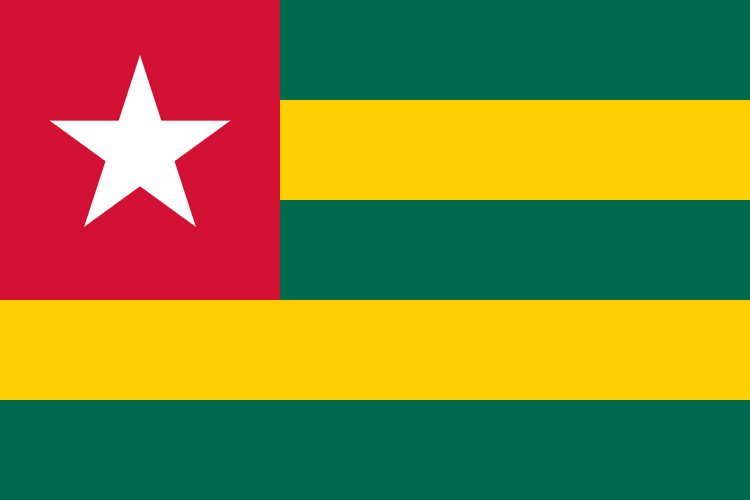 TogoCapital: Lomé
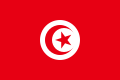 TunisiaCapital: Tunis
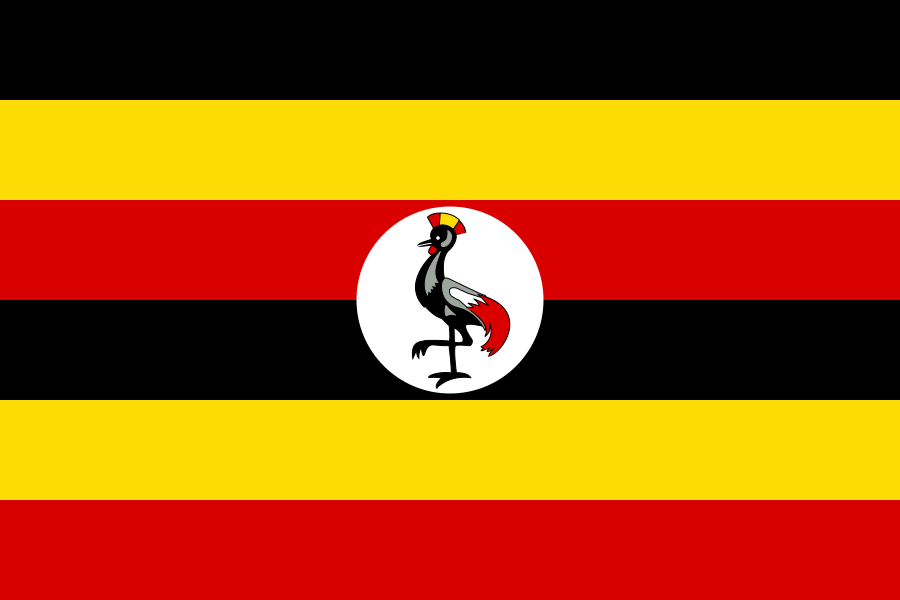 UgandaCapital: Kampala
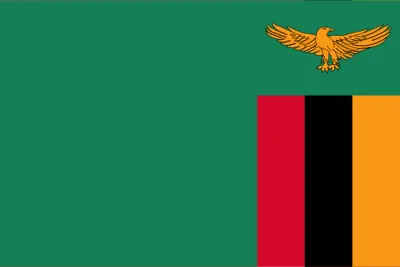 ZambiaCapital: Lusaka
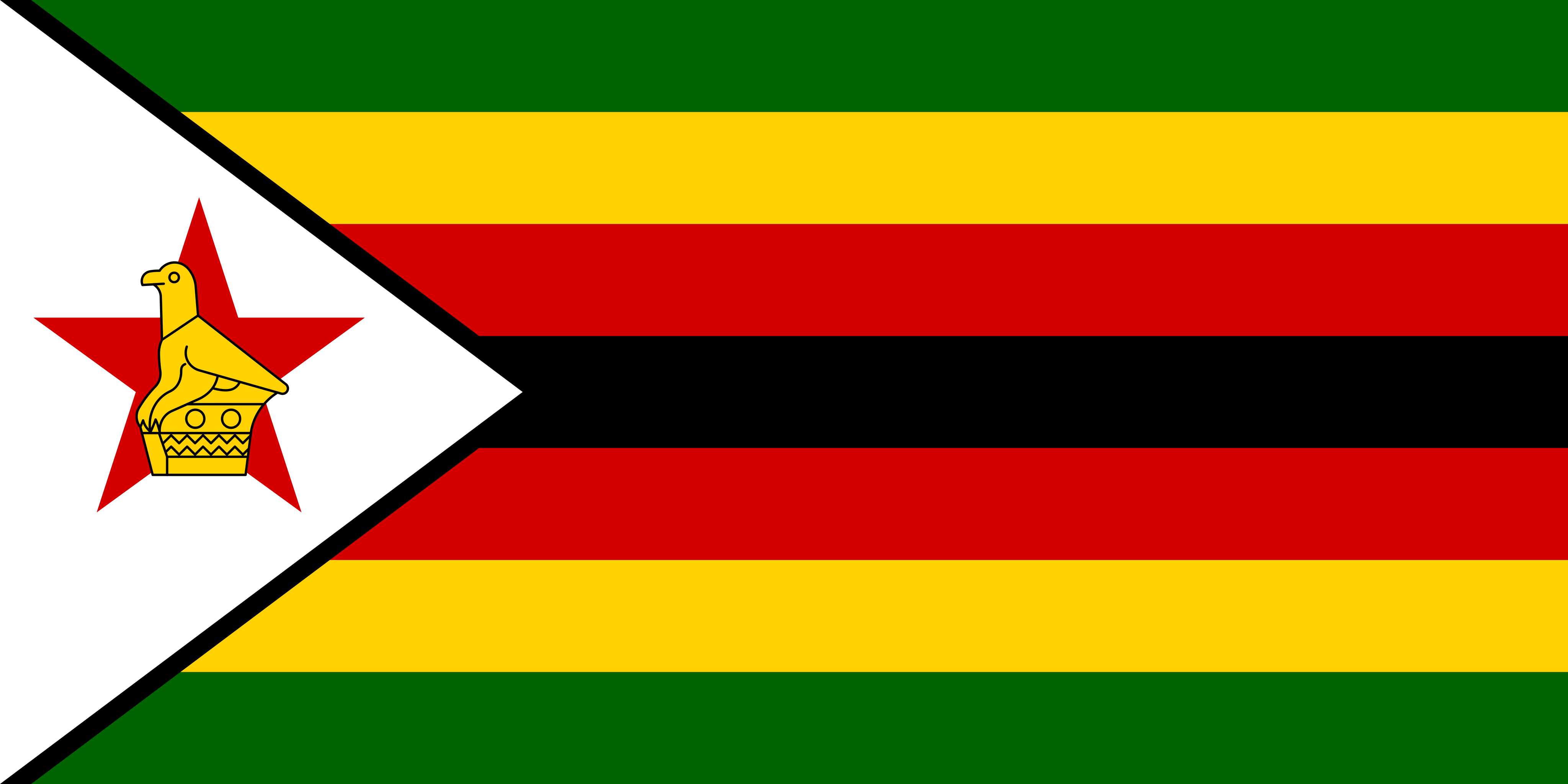 ZimbabweCapital: Harare
Americas (35 countries)
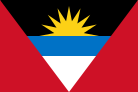 Antigua and BarbudaCapital: St. John’s
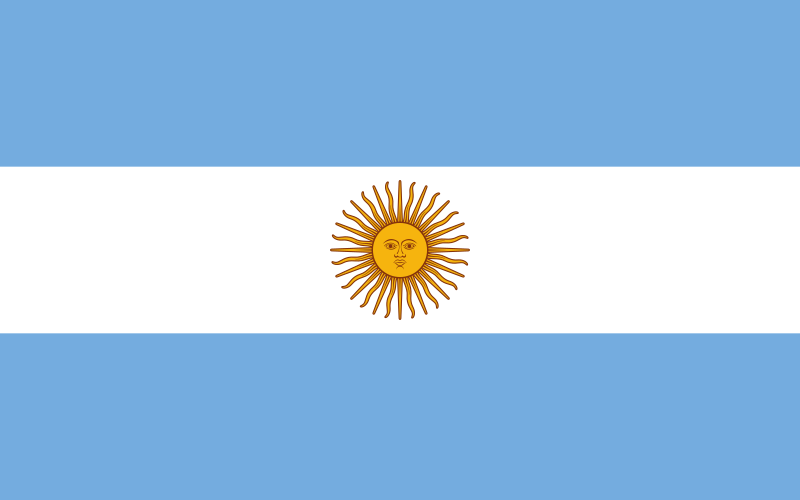 ArgentinaCapital: Buenos Aires
 BahamasCapital: Nassau
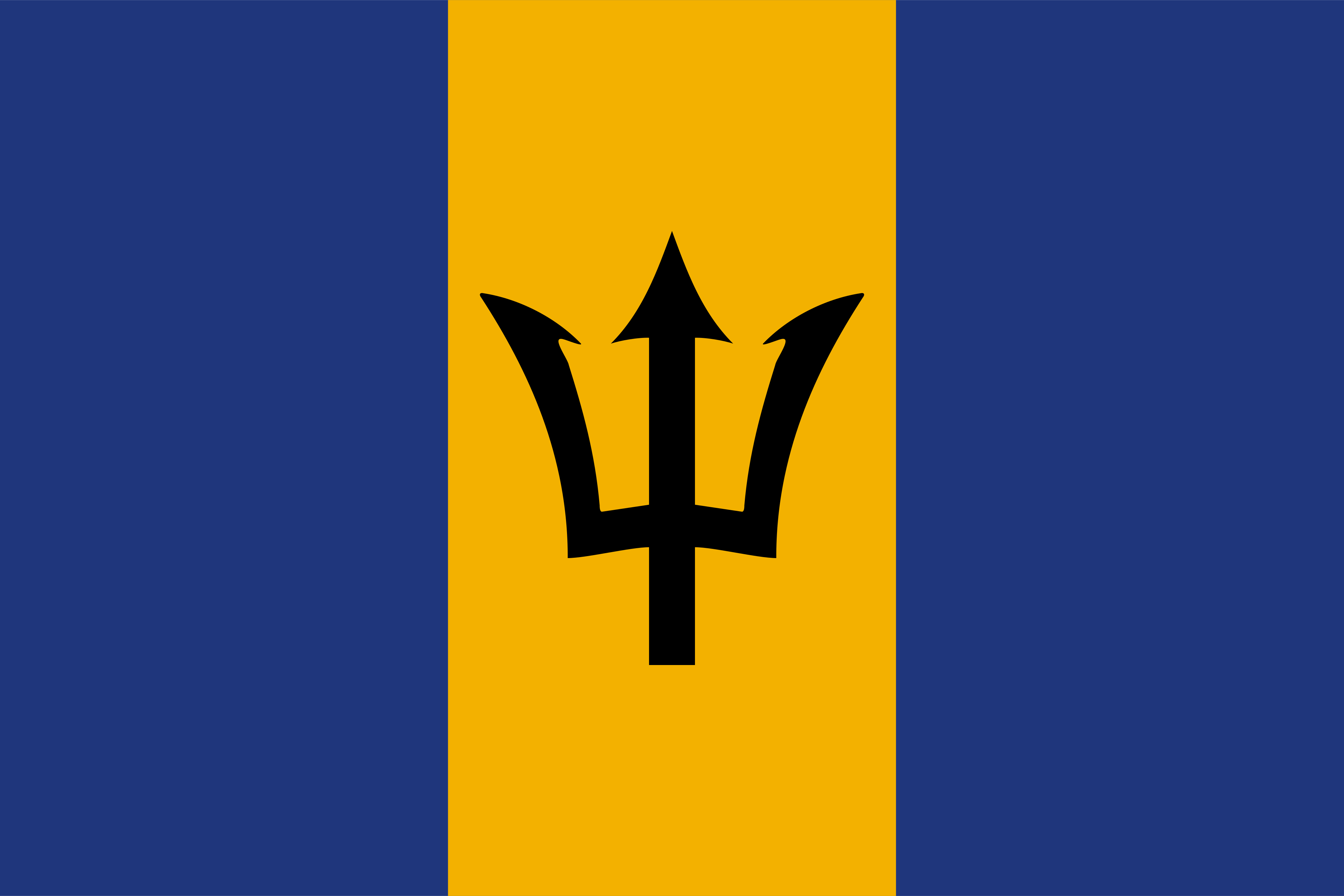 BarbadosCapital: Bridgetown
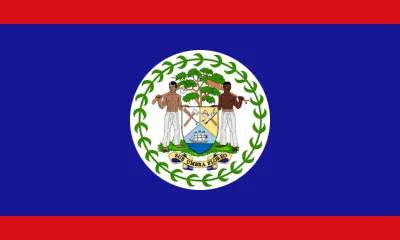 BelizeCapital: Belmopan
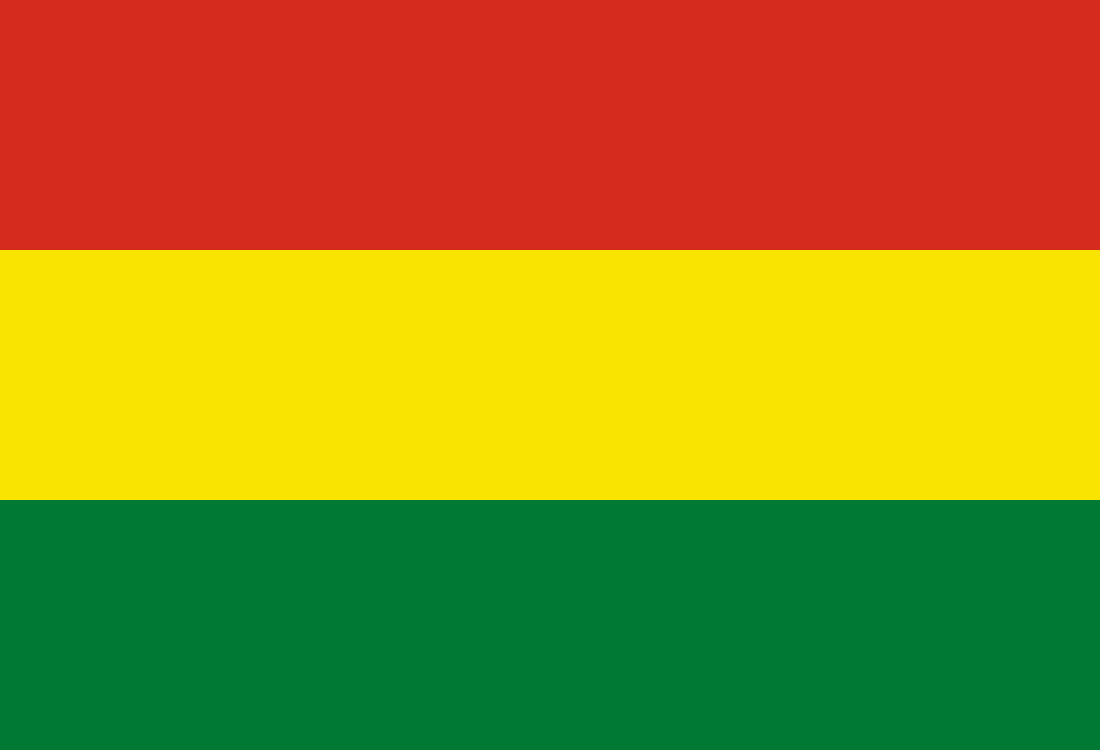 BoliviaCapital: La Paz
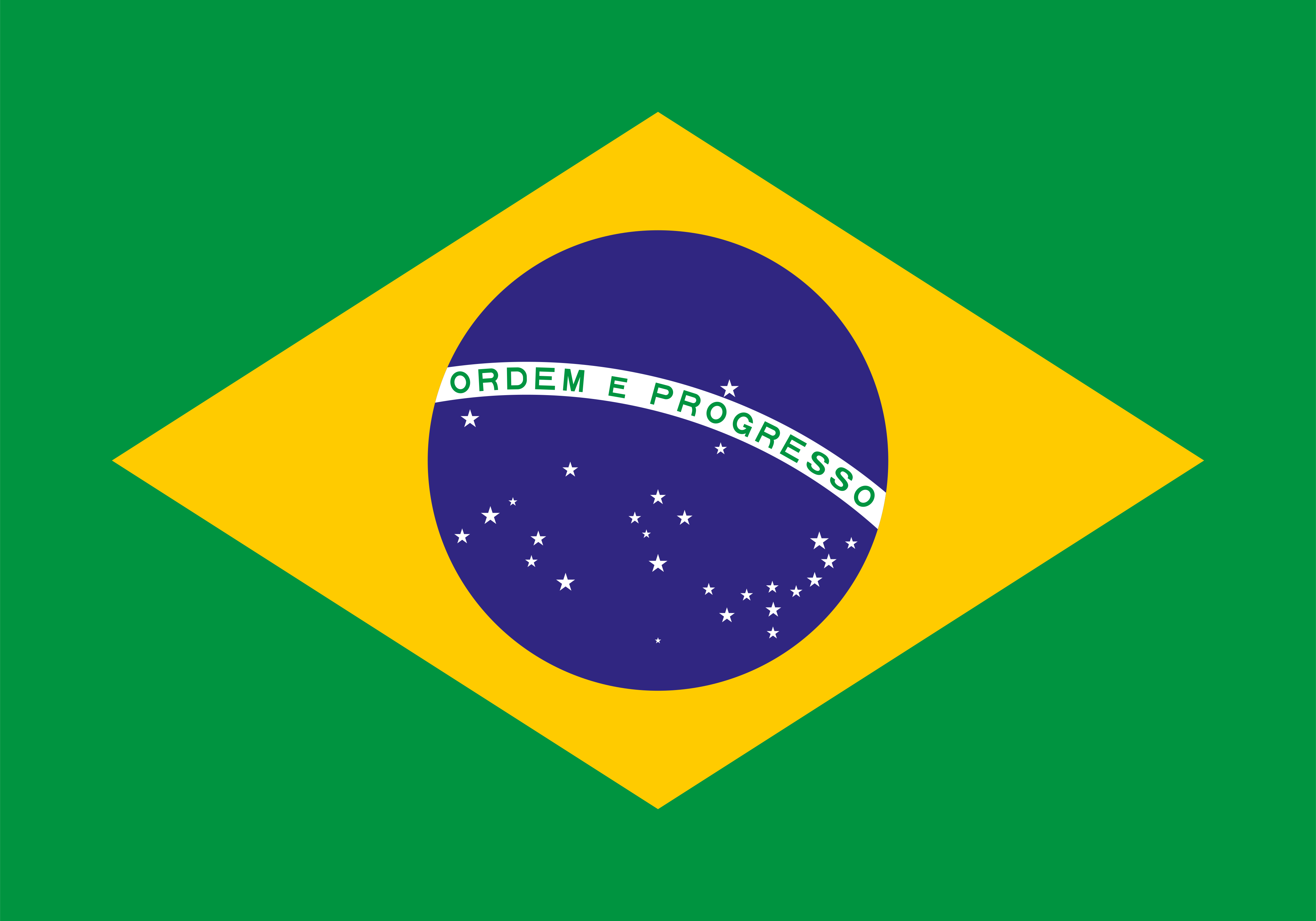 BrazilCapital: Brasília
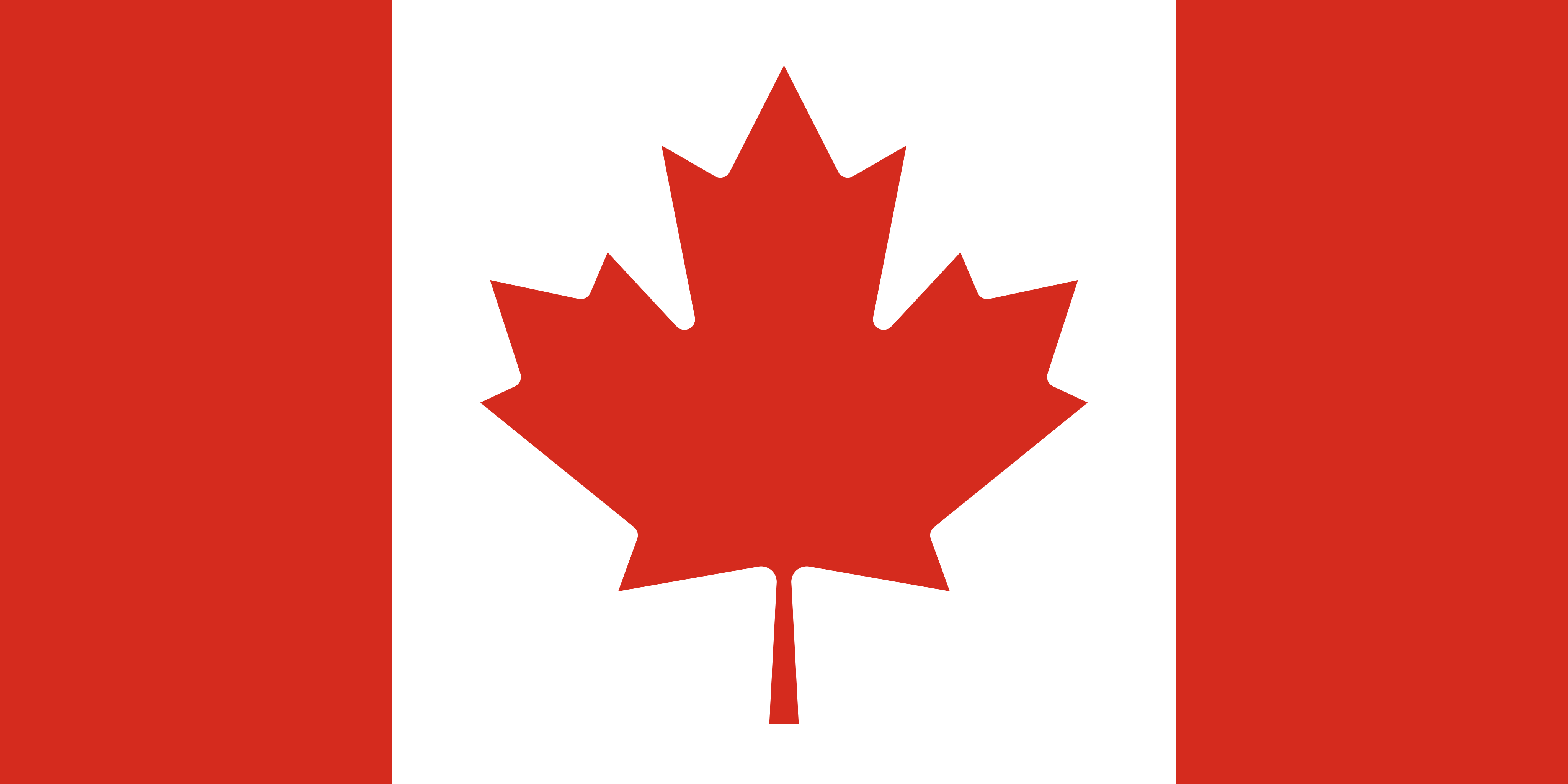 CanadaCapital: Ottawa
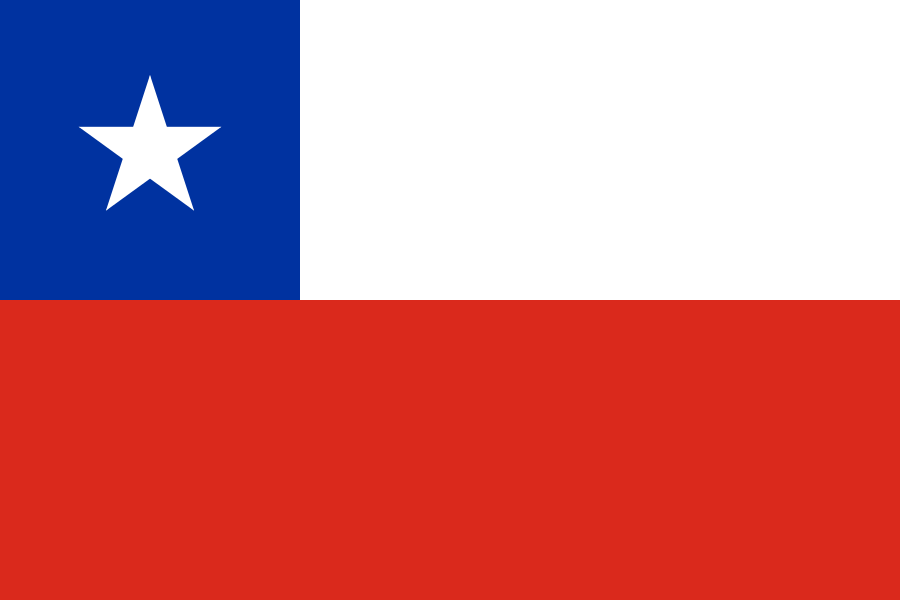 ChileCapital: Santiago
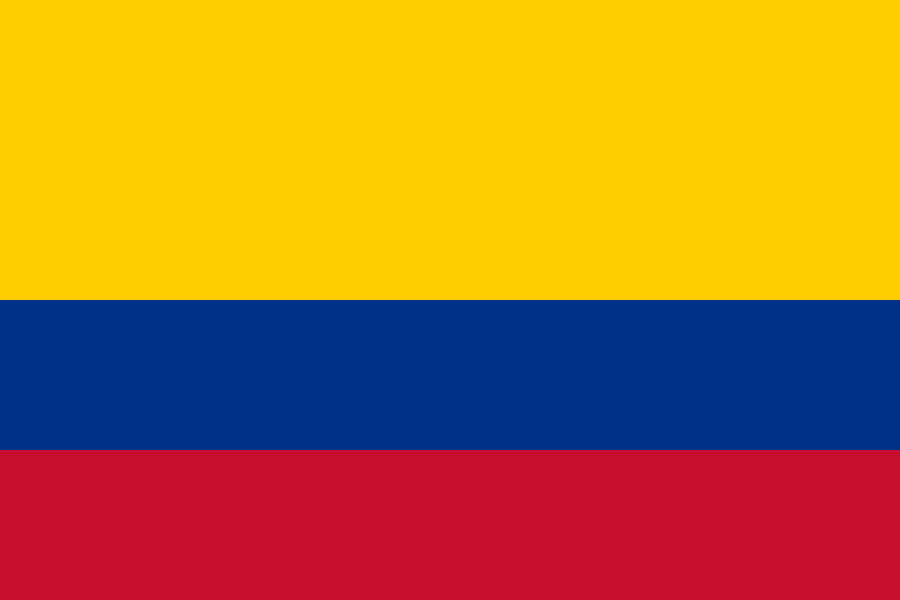 ColombiaCapital: Bogotá
 Costa RicaCapital: San José
 CubaCapital: Havana
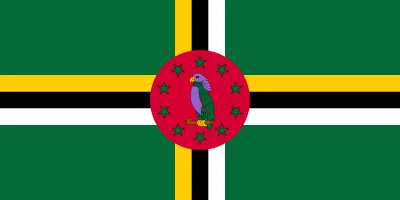 DominicaCapital: Roseau
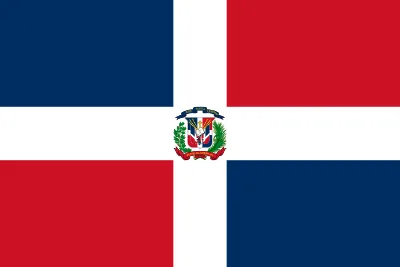 Dominican RepublicCapital: Santo Domingo
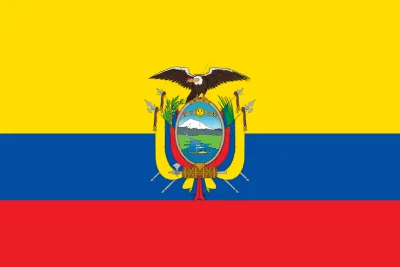 EcuadorCapital: Quito
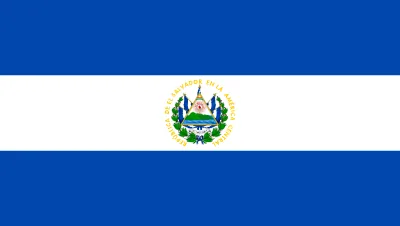 El SalvadorCapital: San Salvador
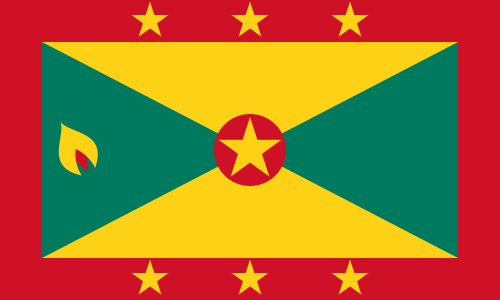 GrenadaCapital: St. George’s
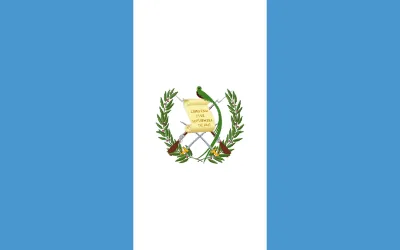 GuatemalaCapital: Guatemala City
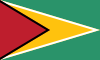 GuyanaCapital: Georgetown
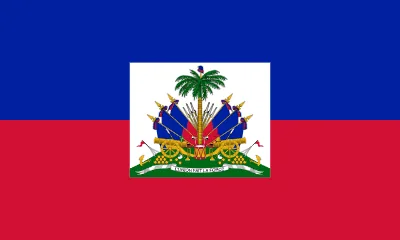 HaitiCapital: Port-au-Prince
 HondurasCapital: Tegucigalpa
 JamaicaCapital: Kingston
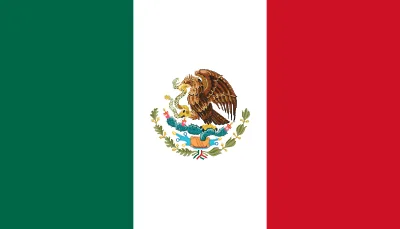 MexicoCapital: Mexico City
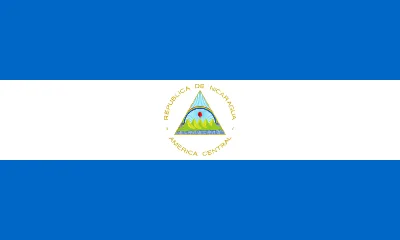 NicaraguaCapital: Managua
 PanamaCapital: Panama City
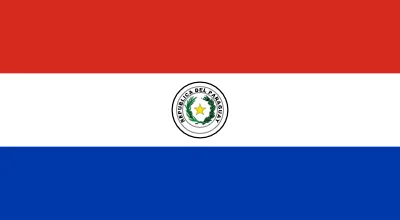 ParaguayCapital: Asunción
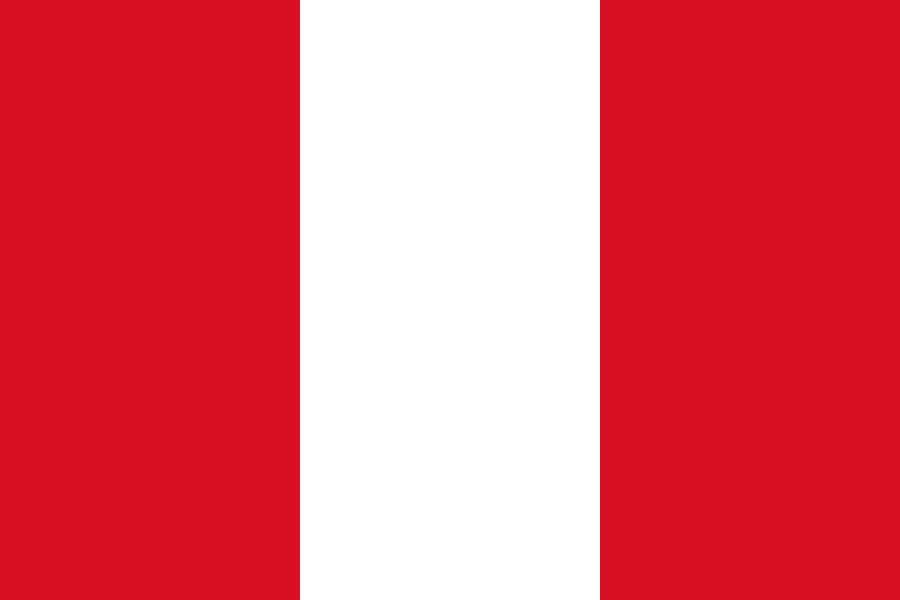 PeruCapital: Lima
 Saint Kitts and NevisCapital: Basseterre
 Saint LuciaCapital: Castries
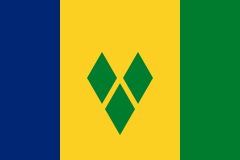 Saint Vincent and the GrenadinesCapital: Kingstown
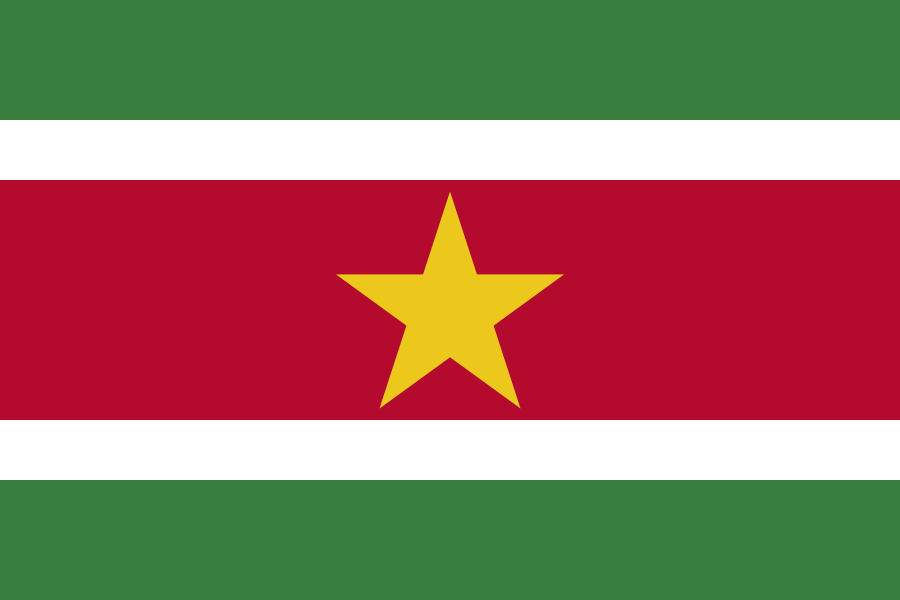 SurinameCapital: Paramaribo
 Trinidad and TobagoCapital: Port of Spain
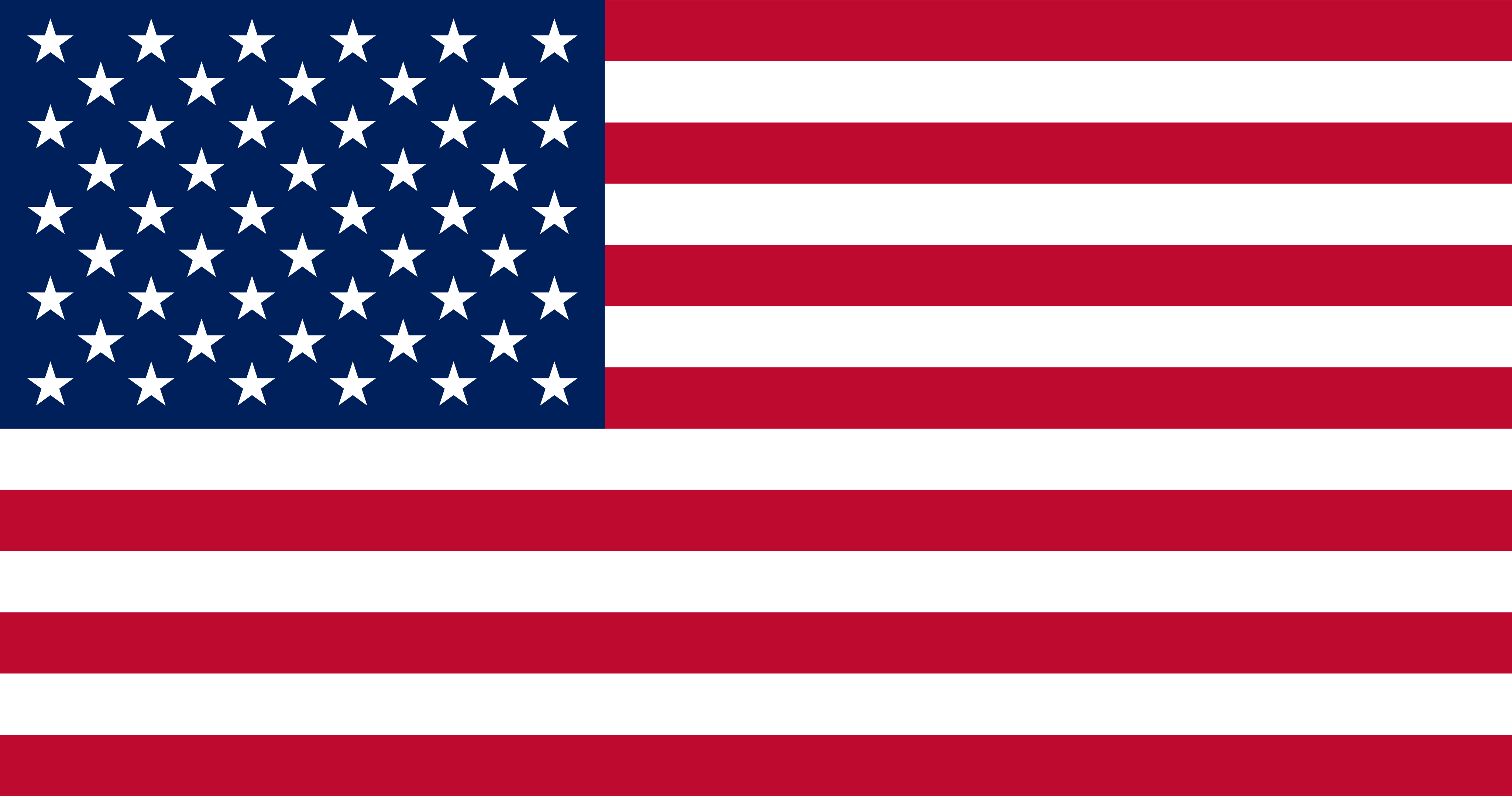 United States (USA)Capital: Washington, D.C.
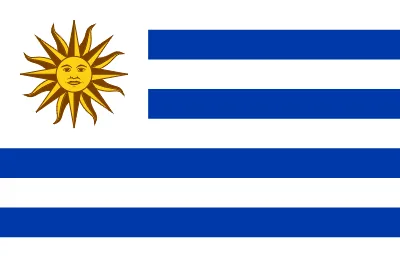 UruguayCapital: Montevideo
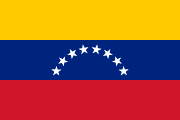 VenezuelaCapital: Caracas
Oceania (16 countries)
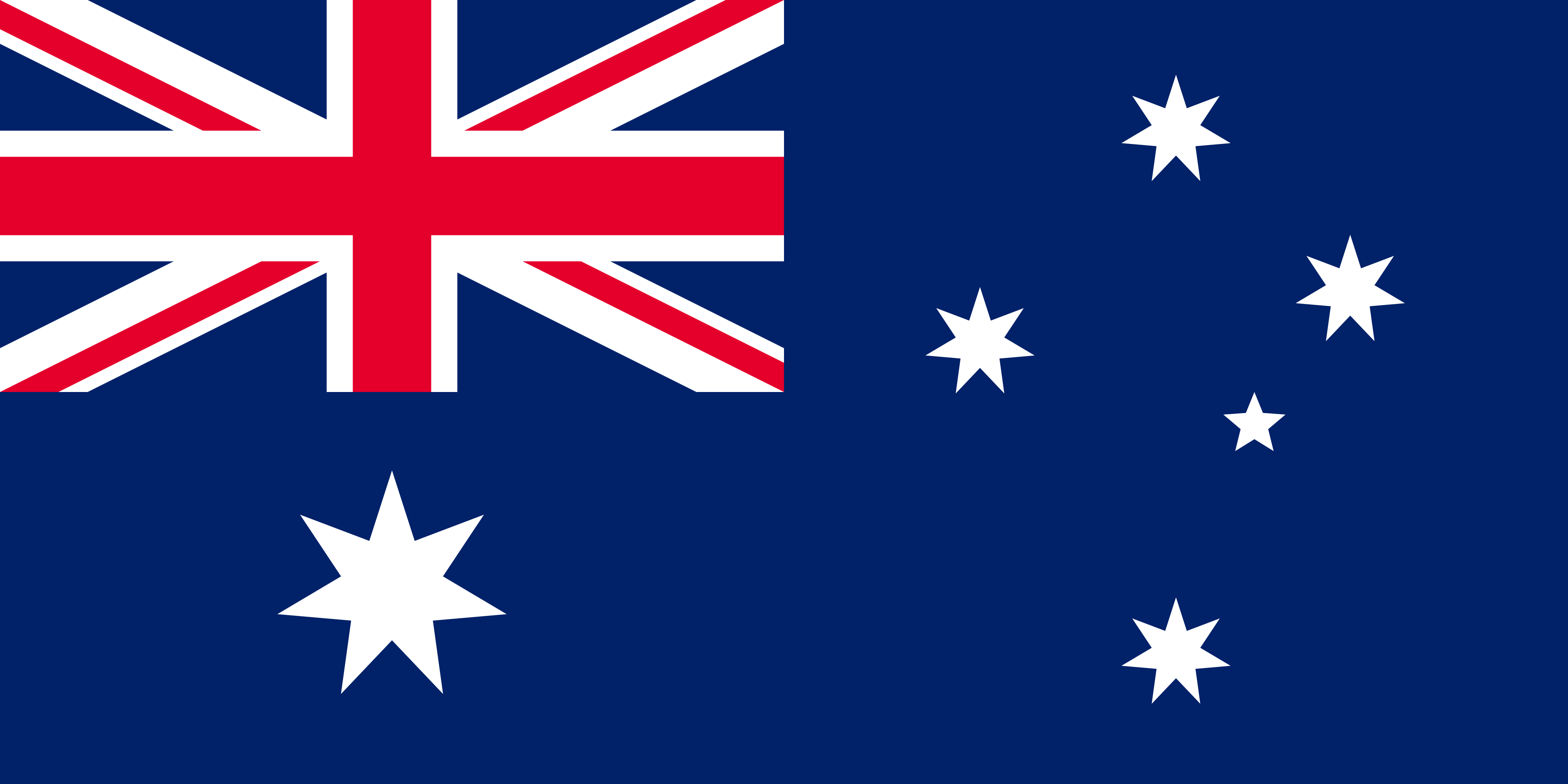 AustraliaCapital: Canberra
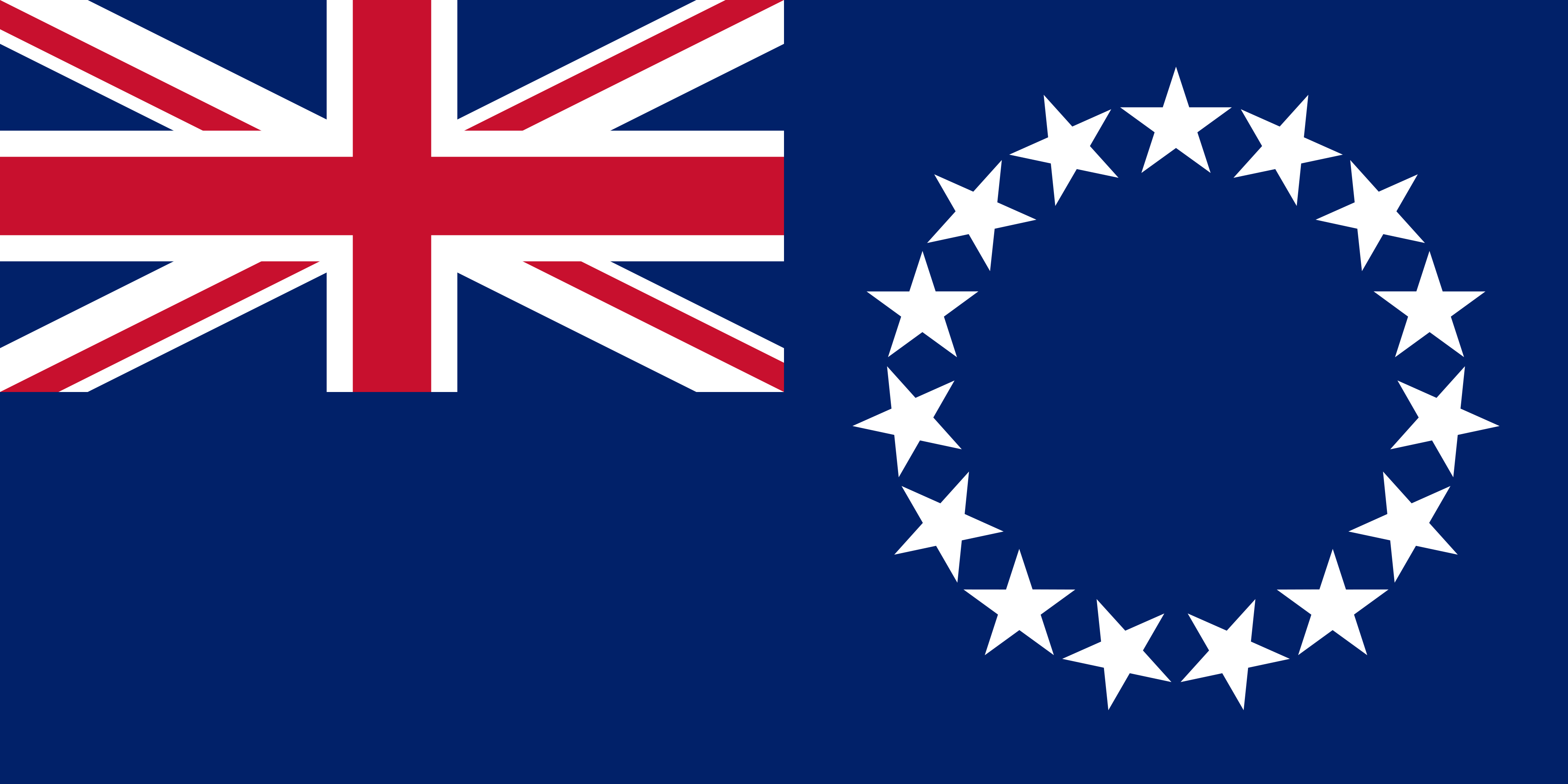 Cook IslandsCapital: Avarua
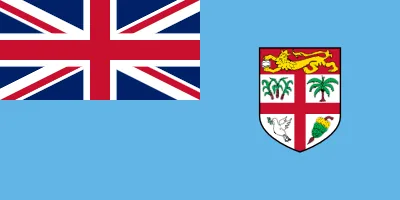 FijiCapital: Suva
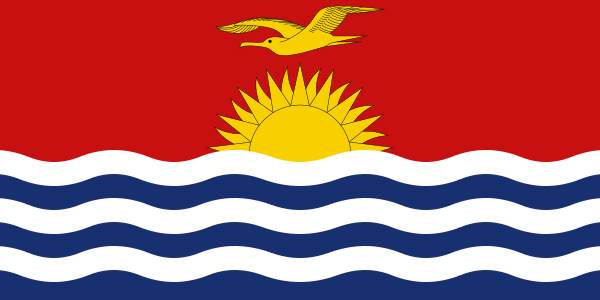 KiribatiCapital: Tarawa
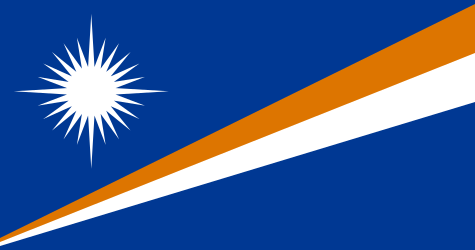 Marshall IslandsCapital: Majuro
 MicronesiaCapital: Palikir
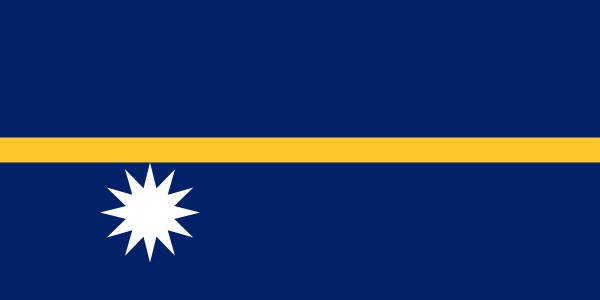 NauruCapital: Yaren
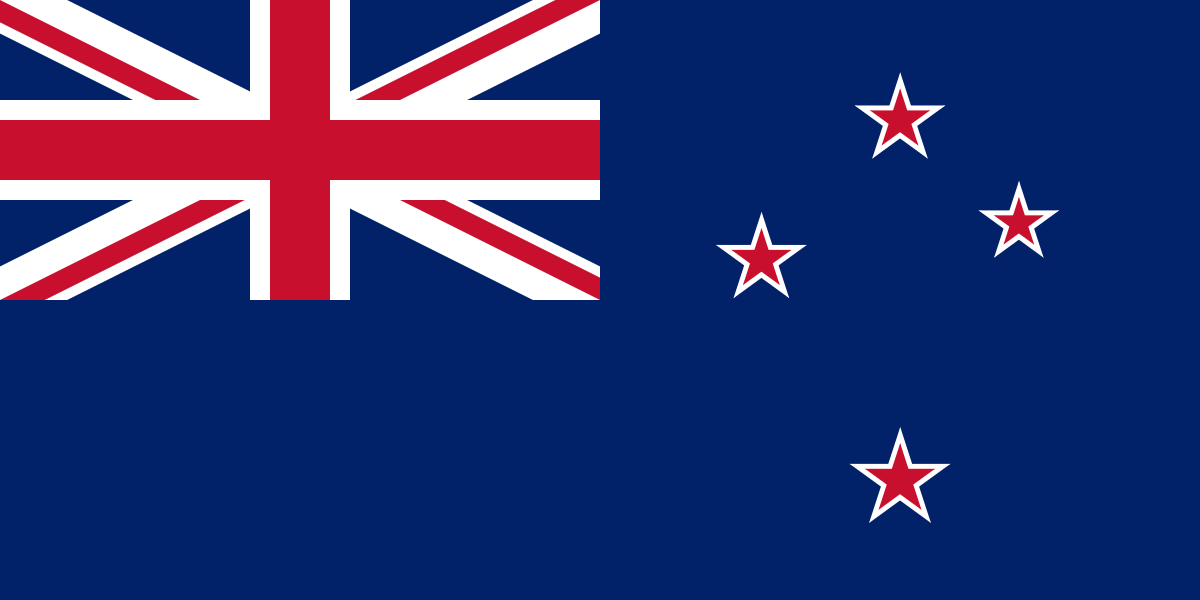 New ZealandCapital: Wellington
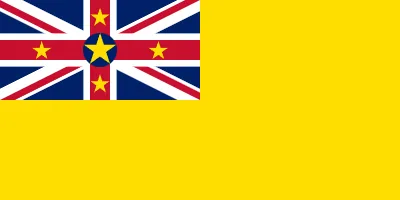 NiueCapital: Alofi
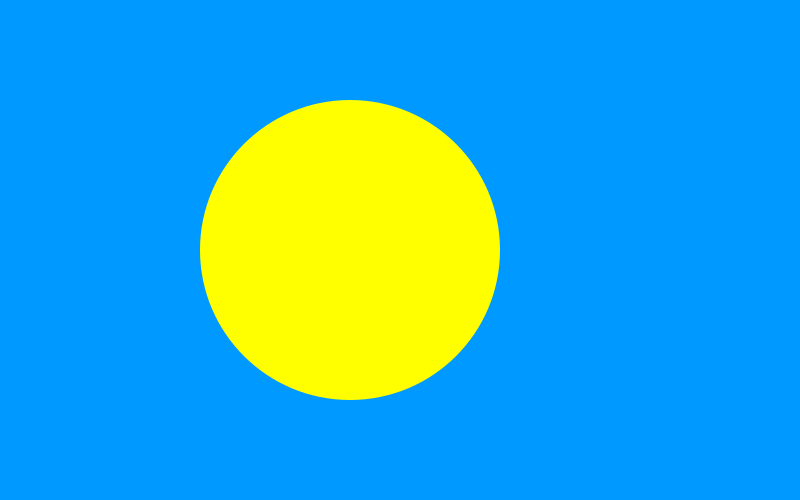 PalauCapital: Ngerulmud
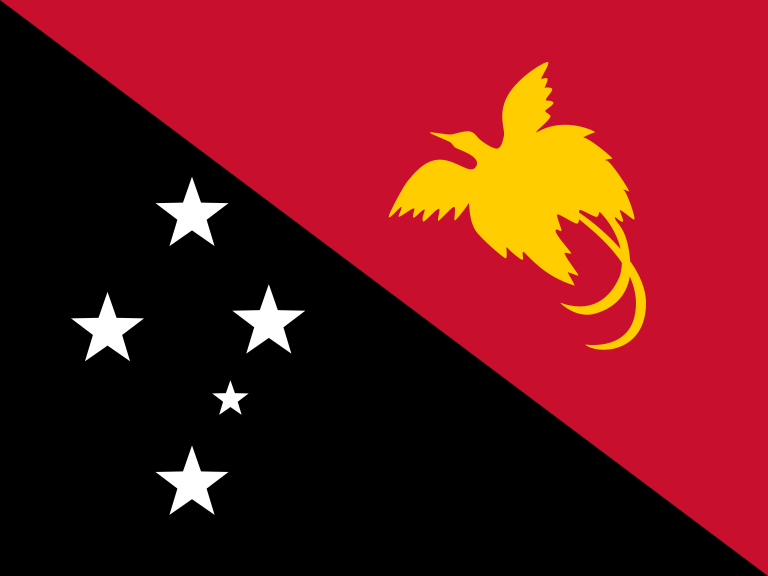 Papua New GuineaCapital: Port Moresby
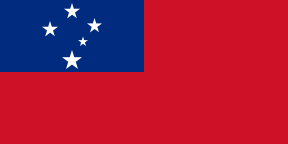 SamoaCapital: Apia
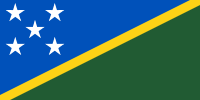 Solomon IslandsCapital: Honiara
 TongaCapital: Nuku’alofa
 TuvaluCapital: Funafuti
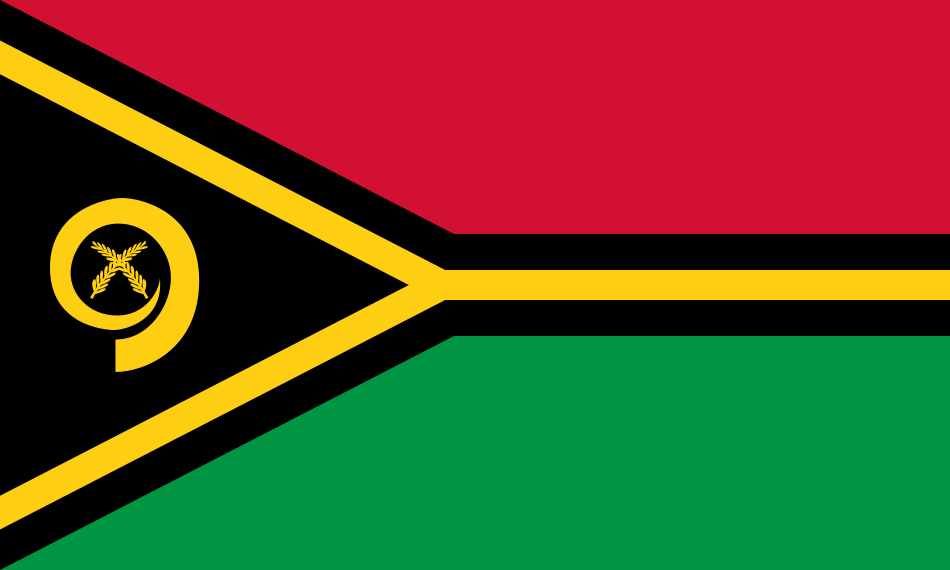 VanuatuCapital: Port Vila